For listening to recorded Dutch vowels in a noisy room, a well-fitting pair of over-ear headphones with ANC is one option to compare. If you’re pronouncing the vowels yourself, you’ll also need to assess how your own voice sounds. Compare the same recordings and your own pronunciation with ANC on, in ambient mode and without headphones. PLOS ONE describes auditory feedback as relevant to speech production, but this does not prove that any particular headphone model is better for vowel practice.
Who is this for?
Listening to vowels in noisy surroundings
You want to compare recordings of Dutch vowels without continually turning up the volume. Pay attention to the fit and how your own recordings sound; ANC alone doesn’t tell you whether you’ll recognise vowel contrasts more accurately.
Practising out loud
You’re pronouncing vowels and want to hear how your voice sounds. Compare ANC, ambient mode and listening without headphones. A particular pair of consumer headphones isn’t automatically suitable for monitoring your own voice.
Practising before joining the group
You listen shortly before the rehearsal and want to reconnect with the group afterwards. Check whether you can switch settings easily and whether the headphones feel comfortable to wear.
What should you look for?
Start by thinking about what you want to hear during practice: recorded examples, your own voice or the surrounding sounds when the group gets together.
| What to consider |
What should you check? |
Who is this important for? |
| Hearing recordings clearly |
Compare the same vowel recordings at a moderate volume and check the fit. Test ANC separately from speech clarity. |
If I’m comparing recordings in a noisy room, I want to follow the vowels without turning up the volume; around 36% of consumers rank this as their top purchasing priority. |
| Hearing your own voice |
Pronounce the same vowels with ANC on, in ambient mode and without headphones. Don’t assume you’ll get real-time voice feedback unless this is confirmed for the exact model. |
When I pronounce vowels myself, I want to assess how my voice sounds; around 29% of consumers prioritise this kind of feedback on their own voice. |
| Switching to the group |
Try the ANC and ambient mode controls, and assess the pressure from the ear cushions and headband during your practice session. |
If I want to join the rehearsal quickly after listening back, switching modes and wearing comfort matter to me; around 21% of consumers put these needs first. |
| Connecting to your device |
Check whether your playback device has Bluetooth or the required cable input, and whether the exact model supports the wired listening option you want. |
If your main concern is making sure practice recordings play from your own device, choose connection and reliability as your top priorities; around 14% of consumers do this. |
VeiligheidNL points out that well-fitting headphones let less sound leak out, giving you less reason to turn up the volume. This makes a good fit important, but it doesn’t prove that a model makes vowels easier to distinguish.
Common buying mistakes
-
Assuming ANC is proven to help with vowel training
ANC is a feature that reduces ambient noise; it isn’t proof that you’ll learn to recognise Dutch vowels more accurately. Frontiers in Psychology studied the perception of vowel contrasts, not the training effects of ANC headphones.
Compare your own recordings and pronunciation in the conditions in which you actually practise.
-
Taking the maximum battery life as battery life with ANC on
Sony quotes up to 35 hours of music playback with NC on and up to 50 hours with NC off for the WH-CH720N. JBL quotes 70 hours of total music playback for the Tour One M3, but doesn’t specify that this is with ANC on.
Only compare battery life figures when the usage conditions are the same.
-
Assuming a microphone or cable will return your voice without delay
A microphone for calls or a wired audio connection doesn’t automatically mean you can monitor your own voice in real time. Wearing headphones can also change how your voice sounds to you.
Check this feature separately if you need electronic voice feedback; otherwise, also compare with a test without headphones.
Brands to compare
Sony
The WH-CH720N and WH-1000XM6 are over-ear models with ANC, ambient mode and a specified wired option.
- Sony quotes a weight of approximately 192 g and up to 35 hours of music playback with NC on for the WH-CH720N; for the WH-1000XM6, it quotes approximately 254 g and up to 30 hours with NC on.
- These are figures from Sony, not independent comfort or vowel tests. Battery life figures don’t guarantee the same duration with every usage method.
Sennheiser
According to the product information, the MOMENTUM 4 Wireless combines adaptive ANC with a transparency mode.
- Sennheiser quotes up to 60 hours of playback and a transparency mode.
- The quoted battery life doesn’t prove the same usage time with every setting, and it doesn’t tell you whether you’ll recognise Dutch vowels more accurately. Try listening to how your own voice sounds, too.
JBL
The Tour One M3 is an over-ear alternative with ANC and audio via USB-C and 3.5 mm, as specified by JBL.
- JBL quotes 70 hours of total music playback.
- JBL doesn’t specify that this figure applies with ANC on. Claims about sound or comfort aren’t an independent test of speech.
Joybuy products
These Joybuy picks are over-ear headphones with ANC for listening back to recordings and switching to ambient sound. The product information for some models also mentions wired audio.
 No image available
Sennheiser MOMENTUM 4 Wireless, Black
Adaptive ANC and transparency mode give you settings to compare when listening back and when you want to hear ambient sounds.
Sennheiser quotes up to 60 hours of playback; battery life may vary depending on the setting.
View at Joybuy
 No image available
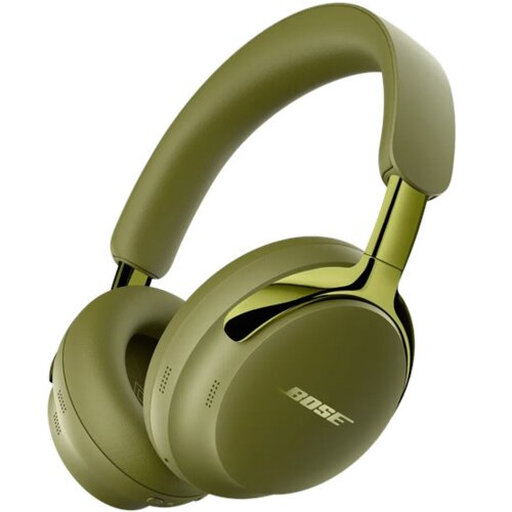
Bose QuietComfort Ultra Headphones (2nd Gen), Olive Green
The product information mentions active noise cancellation and wired playback for devices with a suitable connection.
The detachable cable listed has USB-C and 3.5 mm connectors.
View at Joybuy
 No image available
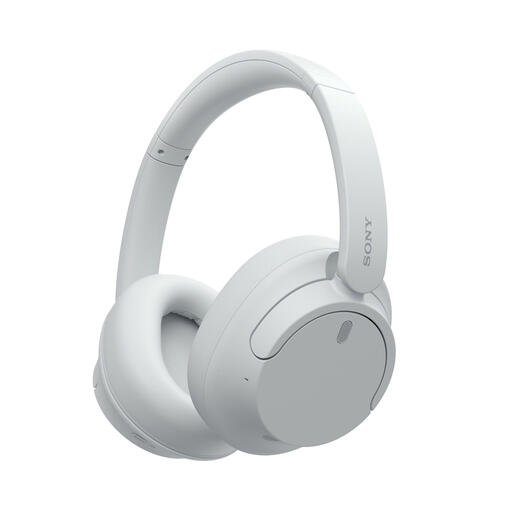
Sony WH-CH720N, White
This over-ear model features noise cancelling and ambient mode, so you can compare settings while listening and speaking.
Before buying, check whether this model is available and whether the version on offer meets your needs.
Purchase link unavailable
 No image available
Bose QuietComfort Ultra Bluetooth Headphones, Black
The product information mentions active noise cancellation and a transparency mode, so you can compare listening with noise reduced and hearing ambient sounds.
An audio cable is also listed for wired listening without battery power.
View at Joybuy
 No image available
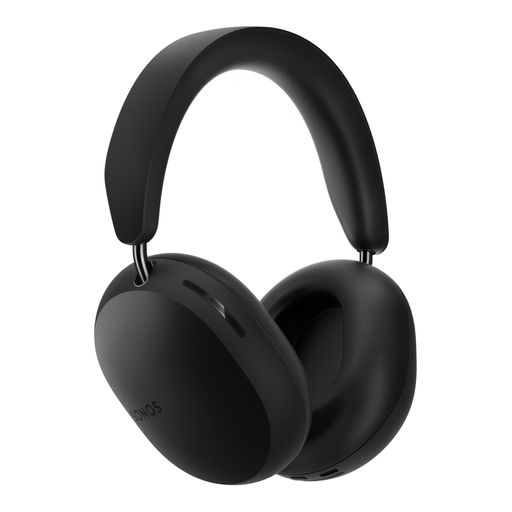
Sonos Ace Over-Ear Bluetooth Headset, Black
The product information mentions active noise cancellation and an Aware mode for switching between noise reduction and ambient sound.
The information lists USB-C and 3.5 mm audio cables; check which connection works with your playback device.
View at Joybuy
Frequently asked questions
Should you leave ANC on while pronouncing vowels yourself?
No, you don’t necessarily need to leave ANC on. Compare your own voice with ANC on, in ambient mode and without headphones; research into auditory feedback doesn’t establish the best setting for this exercise.
How should you prepare your headphones for a short practice session?
Before the rehearsal, try listening to the same recordings at a moderate volume and test how to pause and switch between ANC and ambient mode. Also check that your chosen connection works with the device you use to play the recordings.
Does ANC make listening at high volume safe?
No, ANC doesn’t automatically make listening at high volume safe. The World Health Organization recommends limiting the volume and listening time, and taking regular breaks from listening; ANC and a good fit can reduce the need to turn up the volume.
How can you tell whether headphones suit your own voice?
Compare how your voice sounds with ANC on, in ambient mode and without headphones. A microphone for calls or a cable doesn’t, by itself, confirm that the model offers real-time monitoring of your own voice.


