
Listening to lectures on a noisy train
Your main priority is being able to follow the spoken explanation. So assess speech quality and noise cancelling separately; the Consumentenbond also includes speech clips in its headphone tests.


Choose headphones that make recorded speech clear to you, fit comfortably and let you adjust the noise cancelling easily. A high ANC rating doesn’t guarantee that you’ll be able to follow every lecture on the train, so consider comfort and battery life on longer journeys too. A transparency mode can be useful when you want to stay aware of your surroundings.
Your main priority is being able to follow the spoken explanation. So assess speech quality and noise cancelling separately; the Consumentenbond also includes speech clips in its headphone tests.
If you listen for much of your journey, fit and battery life matter. If possible, try the headphones with glasses on and check for pressure during longer listening sessions.
You want to be able to pause your lecture quickly or let in ambient sound when you need to pay attention to your journey. The NS House Rules ask passengers not to disturb others with loud music or conversations.
Start with speech clarity and fit, then compare the controls, transparency mode and battery life for your train journeys.
| What to consider | What should you check? | Who should pay extra attention to this? |
|---|---|---|
| Speech clarity | If possible, listen to a representative lecture clip and check that pausing and rewinding work with your playback device. | If I need to follow the explanation in a recording, I want to hear the words clearly and be able to rewind easily. Around 25% of consumers say speech clarity is their top priority. |
| Reducing train noise | Assess how the headphones fit around your ears and compare the noise cancelling while audio is playing. The WHO recommends well-fitting noise-cancelling headphones to reduce the need to turn the volume up in a noisy environment. | When train noise drowns out my lecture, I want to reduce the noise without automatically turning up the volume. Around 25% of consumers prioritise reducing train noise. |
| Comfort | If possible, try the headband and ear cushions during a realistic listening session, including while wearing glasses. | On a long journey, I don’t want the headphones to feel uncomfortably tight. Around 20% of consumers prioritise comfort during extended listening. |
| Ambient sound and controls | Check whether you can pause quickly or switch to a mode that lets in ambient sound. | If I need to pay attention to my surroundings while travelling, I want to be able to pause my lecture quickly. Around 15% of consumers prioritise being able to pause or switch modes quickly. |
| Battery life and running costs | Compare battery life using the same ANC setting and check which connections and cables are included with the model. | If I listen often, I want to know how long the headphones last with noise cancelling on and which features I’ll actually use. Around 15% of consumers prioritise purchase price and battery life. |
Noise cancelling and speech quality are separate things to assess. The Consumentenbond evaluates speech clips separately; an ANC rating alone doesn’t tell you how a recorded lecture will sound on your train.
If possible, listen to a representative speech recording and assess the fit and noise cancelling too.
Manufacturers quote playback times using different settings. Sony says the WH-1000XM5 offers up to 30 hours with noise cancelling on; soundcore quotes up to 40 hours with ANC on and 60 hours with ANC off for the Space One Pro.
Only compare quoted playback times when the settings are the same, and treat the figures as manufacturer claims rather than guaranteed battery life.
According to the Government of the Netherlands, a manufacturer’s warranty or an additional warranty you buy comes on top of your statutory rights.
Check what additional cover is offered and what it includes before deciding whether to take it out.
Noise cancelling doesn’t mean you can ignore every important interruption. Under the NS House Rules, silence must be maintained in quiet zones, and passengers must not disturb others with loud music or conversations.
Practise pausing or switching to ambient sound, and make sure other passengers can’t hear the lecture you’re playing.
The WH-1000XM5 is an over-ear model with noise cancelling and a transparency mode.
The Tour One M3 is an over-ear option with adaptive ANC and wired connection options.
According to Sennheiser, the MOMENTUM 4 Wireless has adaptive ANC and a transparency mode.
According to soundcore, the Space One Pro folds down for compact storage when travelling.
This selection includes over-ear headphones and wireless earbuds with active noise cancelling, for listening to lecture recordings while travelling.
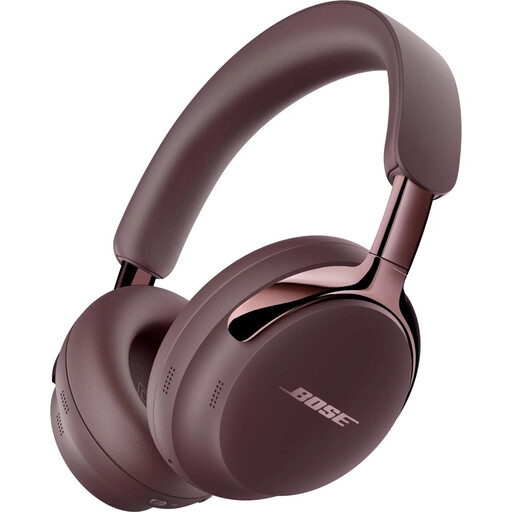 No image available
According to the product information, these over-ear headphones with active noise cancelling support both Bluetooth and wired listening.
The product information lists Bluetooth 5.4 and a detachable cable with USB-C and 3.5mm connections. No charger is included; the listed chargers have a power output of 1,8–2,5 W, and PD fast charging is not supported.
The product information mentions magnets and advises anyone with a medical implant to consult a doctor.
 No image available
This over-ear model with active noise cancelling can also be used to listen via an audio cable.
The product information lists Bluetooth 5.3, up to 24 hours of battery life and an included audio cable. The quoted battery life is a product claim; check the conditions for your intended use.
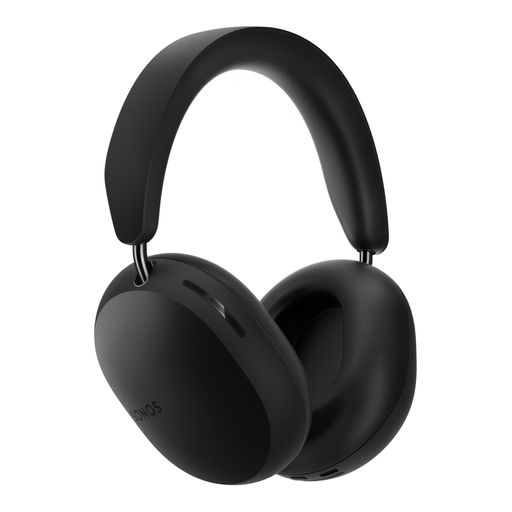 No image available
According to the product information, these over-ear headphones have active noise cancelling and an Aware mode that lets in ambient sound.
The product information lists up to 30 hours of playback with active noise cancelling, automatic pausing when you take the headphones off, memory foam ear cushions and an adjustable headband.
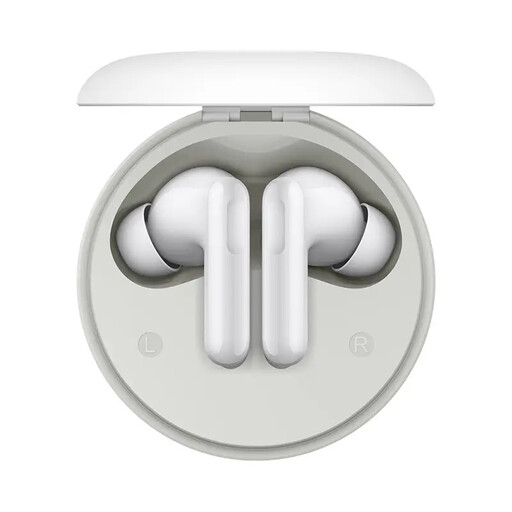 No image available
According to the product information, these wireless earbuds offer noise cancelling and a transparency mode as an alternative to over-ear headphones.
The product information lists app controls and up to 42 hours of total battery life with the charging case.
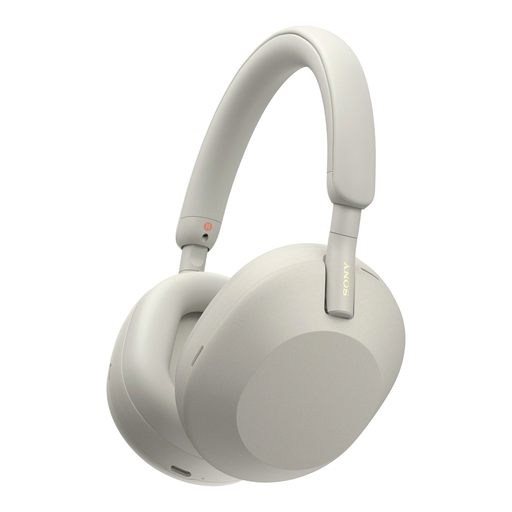 No image available
These over-ear headphones with active noise cancelling are worth comparing if you want to listen wirelessly on longer journeys.
The product information lists up to 30 hours of battery life with noise cancelling on, multipoint and Speak-to-Chat.
No. Also check how the recorded voice sounds to you and whether you can quickly let in more ambient sound when needed. An ANC rating alone doesn’t show how well speech can be understood on a train.
Don’t automatically turn up the volume. The WHO recommends well-fitting noise-cancelling headphones to reduce the need for louder sound, and advises monitoring your volume and listening time. The WHO gives an average of 80 dB for up to 40 hours per week as an example of safe listening; this isn’t a required product setting.
Check the battery before you leave, and practise pausing and switching to ambient sound. Check which connections and storage options are available for your model.
Under the NS House Rules, quiet zones must be kept quiet, and you must not disturb other passengers anywhere on the train with loud music or conversations. Make sure others can’t hear your lecture. This is an NS rule for travelling with NS, not a general legal requirement to use headphones.
According to the Government of the Netherlands, online purchases from a business generally come with a 14-day cooling-off period; check which exceptions apply. In the Netherlands, statutory guarantees also apply, with no fixed statutory guarantee period. If a product is faulty, contact the seller; a manufacturer’s warranty, if offered, does not replace your statutory rights.