
Listener in a noisy living room
Wants to follow spoken recordings while household noise gets in the way. Bear in mind that voices may still be audible despite ANC, as Sony Netherlands explains.


Start by considering which sounds you want to reduce at home. ANC can help with persistent background noise, but it won’t automatically make people talking nearby inaudible. So compare how well voices come through, how comfortable the fit is for a full recording, and how easy it is to switch on ambient mode.
Wants to follow spoken recordings while household noise gets in the way. Bear in mind that voices may still be audible despite ANC, as Sony Netherlands explains.
Listens to a full sermon or several recordings back to back, so clarity and fit matter — including when wearing glasses. The Consumers’ Association notes that comfort is important during longer listening sessions.
Wants to follow a recording while still being able to hear other people at home. An ambient or transparency mode can help; Sony Netherlands and Sennheiser describe these modes for specific models.
| What to consider | What to look for | Who is this important for? |
|---|---|---|
| Background noise | Compare noise reduction in an independent test, and try the headphones with the sounds that bother you at home. | If background noise drowns out my recording, I want to reduce it as much as possible without expecting voices to disappear. Around 31% of consumers put noise reduction first. |
| Speech clarity | Look for reviews that include speech samples and, if possible, listen to a recording you know well. | If I want to follow a sermon clearly, I’d rather focus on how voices sound than on music quality alone. Around 25% of consumers make speech clarity their top priority. |
| Comfort | Try the model for a realistic listening session; check the ear cushions and headband, including when wearing glasses. | For a full listening session, I want a fit that stays comfortable. Around 19% of consumers put long-term comfort first. |
| Features and terms | Compare the features you’ll use, and check how any extra warranty affects your statutory rights. | If I don’t want to pay for features I don’t need, I also look at what the additional terms actually offer. Around 13% of consumers put this consideration first. |
| Controls and staying aware | Check how pause, volume and ambient mode work on the exact model and with your playback device. | If I sometimes need to hear other people at home, I want to switch modes quickly without taking off my headphones. Around 12% of consumers make controls and staying aware their top priority. |
People talking nearby may still be audible when ANC is on, as Sony Netherlands explains. This can be distracting when you’re trying to follow a spoken recording.
Compare how well the headphones reduce noise and listen to a representative sermon recording, rather than relying on the ANC label alone.
A rating for music doesn’t necessarily tell you how natural or clear a spoken recording will sound. The Consumers’ Association assesses speech samples separately.
Consider speech reviews and how long you plan to listen when making your choice.
An additional warranty doesn’t replace your right to a product that works properly. The Dutch government recommends comparing the terms with the rights you already have.
Check what cover is genuinely additional and who to contact if something goes wrong.
Teufel states that the REAL BLUE PRO doesn’t come with a USB-C power adapter. If you don’t already have a suitable adapter, bear this in mind so you can charge the headphones.
Check what’s included with the exact model before you buy.
The WH-1000XM6 is an over-ear model with ANC and ambient mode, for anyone who wants to switch between the two.
According to Sennheiser, the MOMENTUM 4 Wireless combines adaptive ANC with a transparency mode.
According to Bose, the QuietComfort Ultra Headphones (2nd Gen) combine ANC, app settings and an over-ear design.
According to JBL, the Live 780NC is an over-ear model and the Live 680NC is an on-ear model, both with ANC.
According to Teufel, the REAL BLUE PRO is an over-ear model with hybrid ANC and an included audio cable.
This selection features noise-cancelling over-ear headphones for listening to spoken recordings in a noisy home.
 No image available
This over-ear model is worth comparing if you want to be able to use transparency mode during a longer recording.
The product title mentions noise cancelling and a wireless design. Sennheiser quotes up to 60 hours of battery life per full charge; this is a manufacturer figure.
 No image available
An over-ear model to compare if you’re looking for noise reduction and headphones suited to longer listening sessions.
The listed features include noise cancelling, an over-ear design and 24-hour battery life.
 No image available
This model is worth comparing if you’re looking for closed-back over-ear headphones with active noise cancelling.
The product information lists on-headphone controls and an included audio cable.
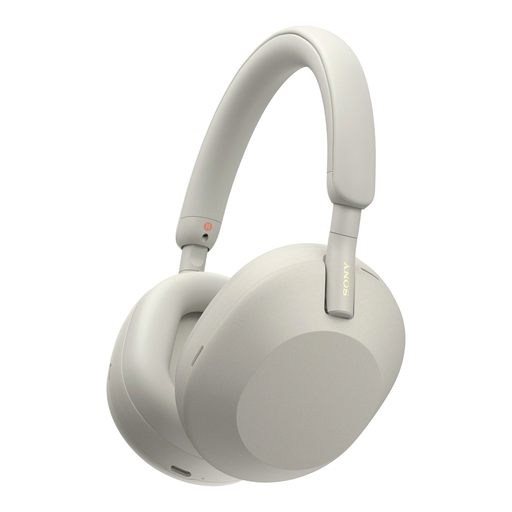 No image available
This wireless over-ear model is worth comparing if you’re looking for noise cancelling for spoken recordings at home.
Noise cancelling is listed for this model; Sony explains that voices nearby may still be audible despite ANC.
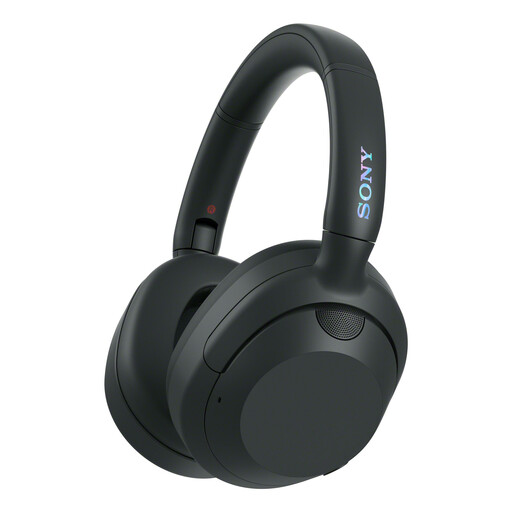 No image available
This over-ear model is worth comparing if you want to be able to switch to ambient sound while listening.
The product information lists noise cancelling, an ambient sound mode, controls on the ear cup and an audio cable.
No. Voices may still be audible when ANC is on. Sony Netherlands therefore recommends considering the sounds you actually want to reduce at home.
If this matters to you, choose a model with an easy-to-access ambient or transparency mode and try switching between modes. Check that this feature is available on the exact model.
The World Health Organization recommends well-fitting noise-cancelling headphones to help reduce the temptation to turn up the volume in a noisy environment. Keep the volume low and take breaks. The WHO suggests a maximum of 60% of the device’s volume as a practical rule of thumb, not a guarantee that every device is safe at that setting.
According to the Dutch government, when you buy online from a business, you generally have 14 days to change your mind, although exceptions apply. You’re also entitled to a product that works properly; the Netherlands has no fixed statutory warranty period. If a product is faulty, contact the seller.
Not automatically. The Dutch government recommends comparing the terms with the rights you already have and checking what cover is genuinely additional.