What should you look for when buying?
Wired and closed-back
A good fit if: you usually sit near one device and repeatedly rewind short pronunciation recordings.
Bear in mind: you’ll need a compatible audio connection or adapter; closed-back earcups don’t block out all sound.
Wireless, closed-back and noise-cancelling
A good fit if: conversations or other background noise disturb your concentration and you want to listen without a cable.
Bear in mind: noise cancellation won’t make a room silent; also test playback when you use a microphone.
Open-back over-ear
A good fit if: you usually listen alone in a quiet, separate room where sound leakage won’t bother anyone.
Bear in mind: Sennheiser describes open-back models as offering little isolation and allowing sound to leak out.
| What to consider |
What to look for when buying |
Who is this important for? |
| Seal and sound leakage |
Check the fit of closed-back earcups and try them with your own recordings at a modest volume. |
I want to listen in a shared space without disturbing my housemates or being distracted by background noise. Around 28% of consumers prioritise peace and privacy. |
| Speech clarity |
Listen to the same recordings at the same volume and check that pausing and replaying are easy. |
I want to hear small differences between pronunciation examples, not just enjoy the sound of music. Around 28% of consumers give speech clarity top priority. |
| Recording your own voice |
Test the recording app and microphone on your own device; if needed, try wired listening or another microphone. |
I want to compare an example with a recording of my own voice easily. Around 17% of consumers start by recording their own voice. |
| Fit during longer sessions |
Try the headphones during a typical listening session, wearing your glasses if you use them. |
I don’t want discomfort from the ear cushions or headband while practising. Around 16% of consumers prioritise wearing comfort. |
| Connection and battery life |
Check which connection and cable you need; compare battery life only with the same noise-cancelling setting. |
I want to know which components will work with my device and what to expect in terms of usage. Around 11% of consumers start by considering practicality and long-term costs. |
A built-in Bluetooth microphone won’t necessarily work well with every recording setup. Apple explains that on a Mac, playback quality and volume may drop when an app uses a Bluetooth headphone’s microphone, so test your own device and settings.
Joybuy products
Joybuy product picks for listening to pronunciation in a shared space.
 No image available
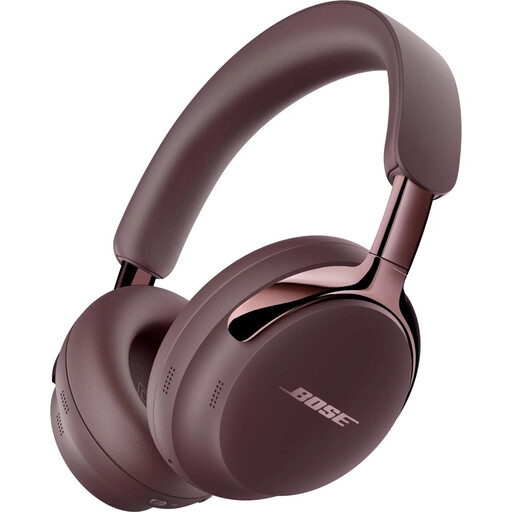
Bose QuietComfort Ultra Headphones (2nd Gen), Cherry Chocolate
One to consider if you want to listen wirelessly but also value the option of using a cable.
According to the product information, a charger isn’t included. It also mentions magnets and advises people with medical implants to consult a doctor.
Joybuy
 No image available
Bose QuietComfort Ultra Bluetooth Headphones, Black
Worth considering if you’re looking for closed-back noise-cancelling headphones that can also be used with a cable.
The stated battery life is up to 24 hours.
Joybuy
 No image available
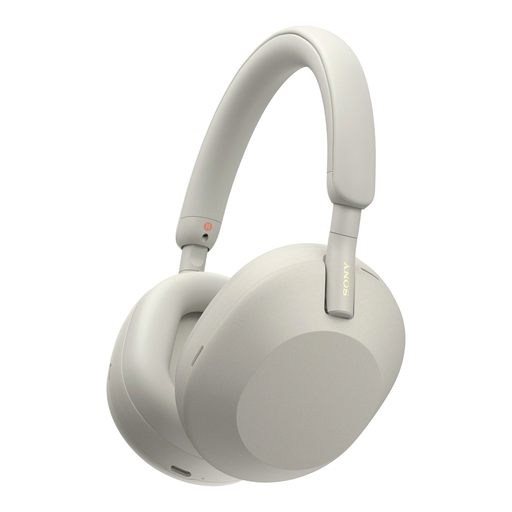
Sony WH-1000XM5 Wireless Headphones with Noise Cancelling, Silver
An option to compare if you want to listen wirelessly and reduce background noise.
The product information lists up to 30 hours of battery life with noise cancellation on and connection to two devices.
Joybuy
 No image available
Sony WH-CH720N Noise Cancelling Wireless Bluetooth Headphones, Blue
Worth considering if you’re looking for closed-back wireless noise-cancelling headphones for a shared space.
Sony specifies up to 35 hours of playback with noise cancellation on for this model. Sony also says it has a wired mode.
Joybuy
 No image available
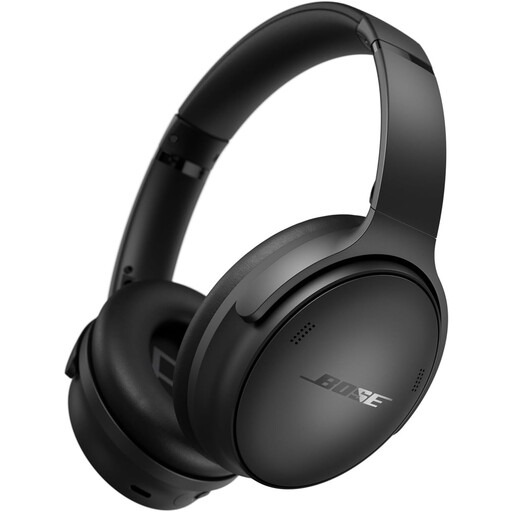
Bose QuietComfort SC Headphones, Black
One to consider if you’re weighing up noise cancellation and a mode that lets in background sound.
Joybuy
Frequently asked questions
Do I need noise cancellation to compare Dutch sounds?
No, not necessarily. Start with well-fitting, sound-isolating headphones and listen to speech recordings at a modest volume. Noise cancellation is an extra option if noise from your housemates distracts you; how well it works varies by model.
Why does an example sound different as soon as I record my voice?
Apple says that Bluetooth playback quality and volume may drop on a Mac when an app uses the headphones’ microphone. Check which microphone your recording app is using and test the setup again; this explanation won’t necessarily apply to every device.
How can I listen safely during frequent practice sessions?
Don’t turn the volume up to drown out background noise; a good seal can help. VeiligheidNL explains that the risk to your hearing depends on both sound level and exposure time. The figure of 80 dB for 8 hours a day is an example within a specific standard, not a measured safe setting for a particular pair of headphones.
What if the headphones don’t fit properly or break after an online purchase?
For distance purchases from a professional seller, you generally have 14 days to change your mind; check the applicable terms and conditions. If a product is faulty, the seller is your point of contact in the Netherlands for the statutory guarantee. According to the Rijksoverheid, there is no fixed statutory guarantee period for all products.
Does a CE mark prove that headphones are good for pronunciation?
No. The Rijksoverheid describes the CE mark as indicating that applicable legal product requirements have been met, not as an assessment of speech playback or wearing comfort. This general explanation doesn’t establish which marking is required for each model mentioned.


