
Replaying quiet phrases
You play short, quiet speech clips repeatedly and want to make out the words without constantly turning up the volume. The Consumers' Association includes speech clips in its headphone tests.


Start by choosing headphones that reproduce quiet speech clearly, fit comfortably and make it easy to pause and repeat. Then compare how much background noise you want to block out. The Consumers' Association assesses speech clips separately, and ANC can reduce background noise, but it won’t automatically make a quiet or unclear recording easier to understand.
You play short, quiet speech clips repeatedly and want to make out the words without constantly turning up the volume. The Consumers' Association includes speech clips in its headphone tests.
You might practise near traffic or in a shared space and want to reduce distractions while still being able to hear what’s going on around you at times. Sony Netherlands explains that noise cancellation doesn’t remove every sound.
You practise for extended periods, so fit, controls and battery life may all matter. The Consumers' Association takes wearing comfort into account when assessing headphones.
First, compare how clearly the same quiet passage comes through and how comfortable the headphones are. Then consider noise reduction, controls and battery life for where you practise.
| What to consider | What to look for | Who might find this most important? |
|---|---|---|
| Understanding quiet speech | Compare the same quiet passage at a moderate volume and check how easy it is to pause and replay. | If quiet words quickly become hard to make out when you replay them, focus on how clearly the headphones reproduce speech. Around 31% of consumers put speech clarity first when buying. |
| Distractions from background noise | Assess noise reduction in a similar practice setting and check whether the ambient mode is easy to use. | If you practise in a noisy space, reducing background noise may matter more to you. Around 25% of consumers prioritise a quieter practice environment. |
| Comfort during longer sessions | Check for pressure on your head and ears, how the ear cups fit and whether the headphones are comfortable with glasses. | If you plan to practise for long periods, a comfortable fit matters more than a foldable design alone. Around 19% of consumers put wearing comfort first. |
| Affordability | Compare the exact versions and check the current total price and returns policy before ordering. | If you want to stick to your budget, check that the speech reproduction, fit and noise reduction suit your practice setting. Around 13% of consumers name affordability as their top priority. |
| Controls and battery life | Check the battery life with ANC on, compatibility with your playback device and how to switch between listening modes. | If you want to practise without interruption and sometimes hear what’s going on around you, battery life and easy switching are worth considering. Around 12% of consumers prioritise ease of use and battery life. |
Noise cancellation targets background noise; it won’t automatically make a quiet or unclear source clip easier to understand.
Compare how the headphones reproduce a passage similar to your practice material, and don’t base your choice on the ANC label alone.
The stated playback time can vary depending on whether ANC is on or off. JBL, for example, quotes a maximum battery life, but this isn’t specified as usage time with ANC switched on.
Compare like with like: ANC on against ANC on.
If battery life with ANC is shorter than you expect, you may need to charge the headphones more often.
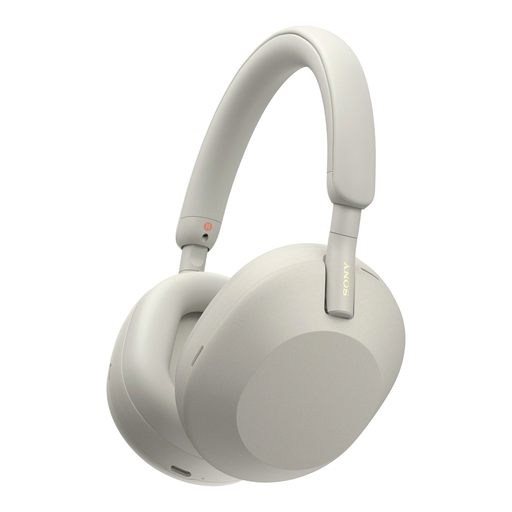
The WH-1000XM6 is worth considering if you want to compare ANC, an adjustable ambient mode and multipoint connectivity.
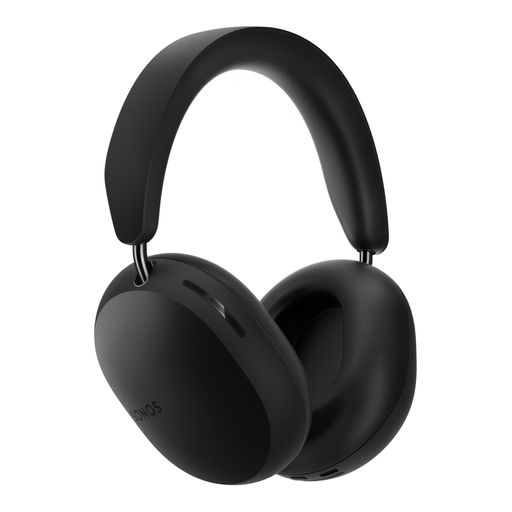
The Space One is an over-ear ANC model to compare if you’d also like adjustable transparency.
According to JBL, the Tune 770NC features adaptive ANC, Smart Ambient and multipoint connectivity.
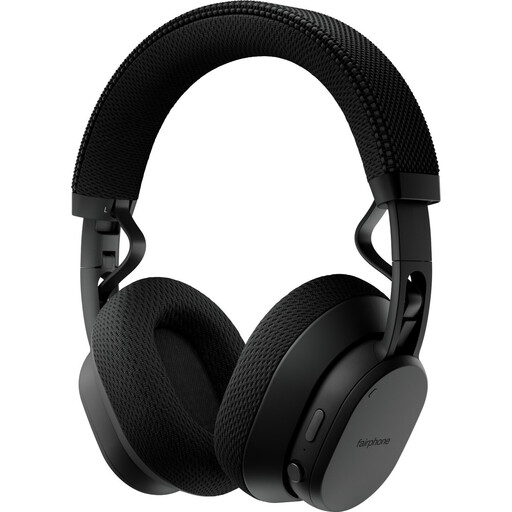
The Fairbuds XL is worth considering if repairability matters to you as well as ANC.
This selection features over-ear headphones with ANC for listening exercises where you want to reduce background noise. Compare the stated features of each model and check that the controls and fit suit the way you plan to use them.
 No image available
An option to compare if you want ANC alongside an ambient mode.
The product name lists noise cancelling, a 60-hour battery life, fast charging and 4 microphones.
 No image available
An option to compare if you want ANC and repairability is also a consideration.
If this matters to your choice, check which parts of this version can be replaced.
 No image available
An option to compare if you want ANC but also the option to hear what’s going on around you.
The product name lists an over-ear Bluetooth headset.
 No image available
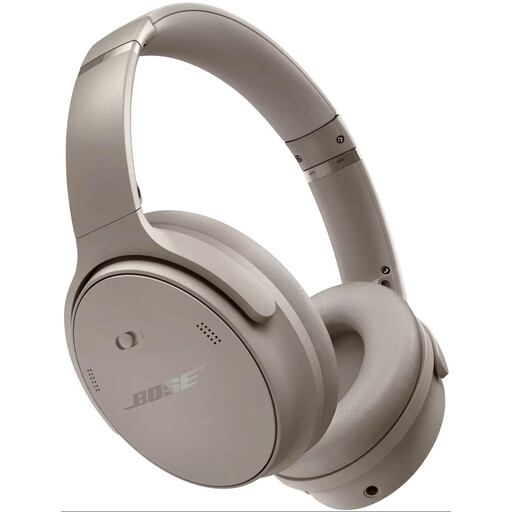
An option to compare if you want to listen wirelessly with noise cancelling.
The product name lists wireless headphones with noise cancelling.
 No image available
An option to compare if you want ANC and the ability to switch between focus and hearing your surroundings.
Check that the listening-mode controls make it easy to switch in the way you want to during your exercises.
No. ANC targets background noise; it won’t improve the source recording, and it doesn’t reduce every sound equally. So compare how clearly the headphones reproduce speech and how they fit, using the same passage at a moderate volume.
Switch to ambient mode when you want to hear your surroundings, then back to ANC when you want to focus on a clip. The available settings vary by model; Sony Netherlands describes adjustable settings for the WH-1000XM6.
Not as your first step. The World Health Organization recommends well-fitting, noise-cancelling headphones to reduce the need to turn up the volume in noisy environments. Volume, listening time and how often you’re exposed to sound also matter for safe listening.
For online consumer purchases, you generally have up to 14 days from delivery to change your mind, subject to legal exceptions. ACM ConsuWijzer explains this period; before buying, check which terms apply to your order.
No. According to ACM ConsuWijzer, the Dutch legal guarantee doesn’t have a fixed duration of exactly two years. What matters is how long you could reasonably expect the product to last with normal use. If there’s a fault, you should generally contact the seller.