
Attentive lecture listener
Want to hear Dutch explanations and quiet words clearly? Assess recorded speech separately from the noise cancelling. The Consumers’ Association includes speech clips in its headphone tests.


For Dutch-language science lectures, headphones are only a good choice if quiet speech remains easy to understand and the noise reduction works in your listening environment. Compare a familiar speech clip and quieter passages at a comfortable volume. Also consider the fit and how quickly you can let in ambient sound.
Want to hear Dutch explanations and quiet words clearly? Assess recorded speech separately from the noise cancelling. The Consumers’ Association includes speech clips in its headphone tests.
Want to reduce background noise without constantly turning up the volume? Compare the noise reduction in an environment similar to where you usually listen. The World Health Organization notes that well-fitting noise-cancelling headphones can reduce the temptation to turn up the volume in noisy surroundings.
If you listen to entire lectures in one sitting, check whether the fit and stated battery life suit your sessions. The Consumers’ Association highlights comfort during long listening sessions as something to consider.
Start by listening to speech at a comfortable volume, then compare how well the headphones reduce ambient noise. Finally, try the fit and controls in the situations where you’ll use them.
A good fit if: you listen to long lectures and find ear cushions and a headband comfortable.
Trade-off: over-ear models take up more room in your bag; try them on for longer than a few minutes.
A good fit if: a compact design matters to you and well-fitting eartips create a comfortable seal.
Trade-off: the seal and comfort depend on the fit; check that the eartips stay comfortable and in place throughout a full lecture.
| What to consider | What should you check? | Who should pay particular attention? |
|---|---|---|
| Quiet speech | Listen to a softly spoken clip and check whether the voice sounds natural and clear at a comfortable volume. | If quiet Dutch words are central to the lecture, you’ll want to follow the speaker without having to turn the volume up; around 36% of consumers say clear speech is their top priority. |
| Quiet passages | Compare a recording with ANC switched on and off, including pauses and background noise. The World Health Organization recommends using noise cancelling to reduce the temptation to turn up the volume in noisy surroundings. | If you don’t want disruptive noise to drown out quieter passages, noise reduction in your listening environment matters; around 29% of consumers prioritise peace and quiet during softer passages. |
| Comfort during long listening sessions | If possible, try the headphones for longer and wear your own glasses; pay attention to pressure from the headband and ear cushions, or to how comfortable the eartips feel. | For a full lecture, you’ll want the fit to stay comfortable, even with glasses on; around 21% of consumers prioritise comfort over long periods of wear. |
| Letting in ambient sound | Check how to pause or switch on ambient or transparency mode on the specific model, and try the controls with the device you normally use. | If you sometimes need to respond to someone or an announcement while listening, you’ll want to switch quickly to ambient sound; around 14% of consumers prioritise awareness of their surroundings. |
Noise reduction and the reproduction of recorded speech are two separate things to assess. The Consumers’ Association tests speech clips separately.
Compare a softly spoken clip with a passage containing background noise, at a comfortable volume.
Noise cancelling doesn’t make every sound disappear. The Consumers’ Association notes that ANC often works well against the deep rumble of heavy vehicle engines in particular.
Compare the noise reduction in an environment similar to where you usually listen, and use ambient mode when you need to stay aware of your surroundings.
A fit that feels comfortable at first may feel different during longer listening sessions. The Consumers’ Association also considers wearing glasses when assessing comfort; over-ear models take up more room in your bag, too.
If possible, try the headphones for longer and wear your own glasses.
An extended warranty is an optional extra; it doesn’t replace your rights if a product is faulty. The Government of the Netherlands recommends checking what additional cover is included.
Read the terms of the extended warranty and contact the seller if the product is faulty.
Sony lists an ambient sound mode for the WH-1000XM6 and WH-CH720N. These models are worth comparing if you want to switch modes during a lecture.
Sennheiser lists adaptive ANC, transparency mode and up to 60 hours of playback for the MOMENTUM 4 Wireless.
JBL lists adaptive ANC and app features for the Tour One M3, making it an over-ear alternative to compare.
Bose lists ANC, app controls and up to 30 hours of playback for the QuietComfort Ultra Headphones (2nd Gen).
These headphones are options to compare for lectures. Assess speech reproduction, noise reduction, comfort and ambient sound controls based on how you’ll use them.
 No image available
An option to compare if you want to combine ANC with the ability to let in ambient sound.
Sennheiser lists adaptive ANC and a transparency mode. The stated playback time is up to 60 hours.
 No image available
An option to compare if noise cancelling and app controls suit your listening routine.
The product information lists active noise cancelling, app controls and an audio cable for wired listening.
 No image available
An option to compare if you sometimes want to let in ambient sound while listening.
The product information lists active noise cancelling, an Aware mode and app controls.
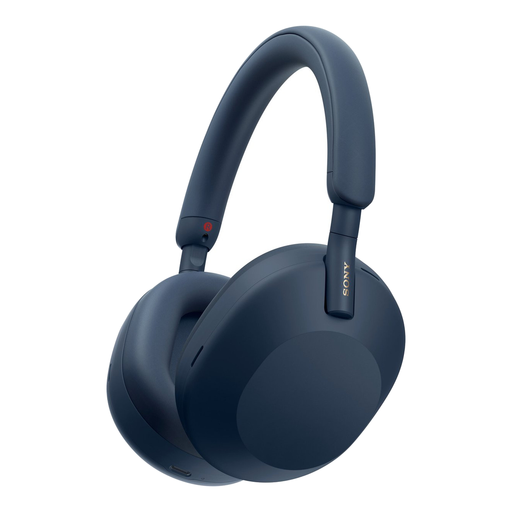 No image available
An option to compare if noise cancelling and wireless listening suit the way you use your headphones.
The product information lists multipoint and LDAC. The stated battery life is up to 30 hours with noise cancelling switched on.
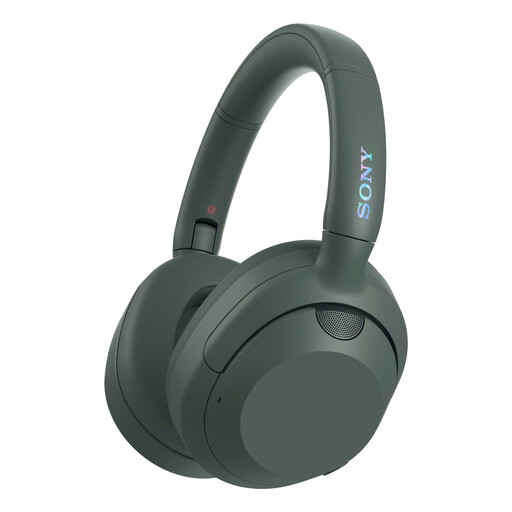 No image available
An option to compare if you want to assess noise cancelling and the ability to let in ambient sound.
The product information lists an Ambient Sound mode, multipoint and controls through the Sony Music Centre app. The stated battery life is up to 30 hours.
No. Noise reduction and speech reproduction are separate things to assess. The Consumers’ Association tests speech clips separately, so compare both with a recording and listen to the quiet passages, too.
Not automatically. First check the fit and compare the ANC in the environment where you listen. According to the World Health Organization, well-fitting noise-cancelling headphones can reduce the temptation to turn up the volume in noisy surroundings.
Check how to pause or switch on ambient or transparency mode on the specific model. Sony lists an ambient sound mode for the WH-1000XM6, while Sennheiser lists a transparency mode for the MOMENTUM 4 Wireless. That doesn’t mean every sound will always come through clearly.
No. The Netherlands doesn’t have a fixed statutory warranty period. According to the Government of the Netherlands, the seller must offer a solution if a product is faulty. What you can expect depends, among other things, on the product, its price and the information provided at the time of sale.
For distance purchases from a business, you generally have a 14-day cooling-off period. Check the terms that apply to your purchase; according to the Government of the Netherlands, an online purchase from a private individual doesn’t count as a distance purchase in this sense.