
Considerate listener
You want to listen to jazz without the person next to you hearing it. RTINGS.com treats blocking out ambient noise and keeping your audio in as separate considerations.


Start by choosing well-fitting, closed-back headphones, then check separately whether your jazz can be heard by others at your usual listening volume. ANC mainly reduces the noise you hear from outside; it doesn’t automatically prevent sound from leaking out. Next, compare familiar jazz recordings at a comfortable, low volume, and consider fit and controls. In a quiet library, maximum ANC doesn’t have to be the deciding factor.
You want to listen to jazz without the person next to you hearing it. RTINGS.com treats blocking out ambient noise and keeping your audio in as separate considerations.
You want to judge for yourself how familiar recordings sound. The Consumentenbond uses music from a range of genres, including jazz, when assessing headphones.
You wear your headphones for much of your visit, so you’ll want to consider pressure around your ears or glasses, battery life and controls.
First, check whether sound leaks out. Then assess the sound, fit and how much noise cancellation you really need in this space.
| What to consider | What to look for | Who is this important to? |
|---|---|---|
| Sound for others | Check sound leakage separately from ANC; try your usual listening volume. | I want to listen in peace without the person at the next table hearing my music. Around 29% of consumers prioritise sound leakage above all else. |
| Jazz sound | Compare familiar recordings at the same volume; try EQ if the model has this feature. | If I want to know how my favourite jazz recordings sound, I’d rather compare them myself than rely on a single specification. Around 23% of consumers prioritise jazz sound. |
| Comfort | Assess the fit for longer than a few minutes, including with glasses if you wear them. | On a long visit, I don’t want uncomfortable pressure around my ears or glasses. Around 18% of consumers consider long-term comfort their main concern. |
| Ambient noise | Compare ANC and passive isolation against the sounds that actually bother you; check the ambient mode. | If conversations or ventilation noise distract me, I want to know which level of noise reduction works with my fit. Around 18% of consumers prioritise reducing ambient noise. |
| Cost and practical use | Compare battery life using the same ANC setting; check the connections on your headphones and playback device. | I don’t want to pay for features I won’t use, and I want to know in advance how to connect my headphones. Around 12% of consumers put cost and practical use first. |
ANC mainly reduces the noise you hear from outside. It doesn’t tell you how much of your music someone sitting next to you will hear.
Ask someone to listen from nearby while you play music at a volume you find comfortable in the library.
A technical specification alone won’t tell you whether a recording’s sound suits your preferences.
Compare a few familiar jazz recordings at the same volume, and treat manufacturers’ descriptions of the sound as their own claims.
A quoted maximum battery life with ANC off isn’t directly comparable to a figure measured with ANC on.
Compare figures only when the ANC conditions match, and bear in mind that they may be manufacturers’ maximum claims.
The closed-back WH-1000XM6 and WH-CH720N are different models to compare if you’re looking for ANC.
The MOMENTUM 4 Wireless is an over-ear option to consider if adjustable sound, adaptive ANC and an ambient mode appeal to you.
The Tour One M3 is an over-ear option to compare if you want ANC and a USB-C or 3.5mm connection.
The QuietComfort Ultra Headphones (2nd Gen) are an ANC model to compare if this version appeals to you.
This selection includes over-ear ANC headphones and in-ear earbuds with ANC. Compare the fit, connections and features that suit the way you listen.
 No image available
An over-ear option if you want to combine ANC with adjustable sound.
The product description lists adaptive ANC, EQ, presets, a transparency mode and an included 3.5mm audio cable.
Colour: black.
 No image available
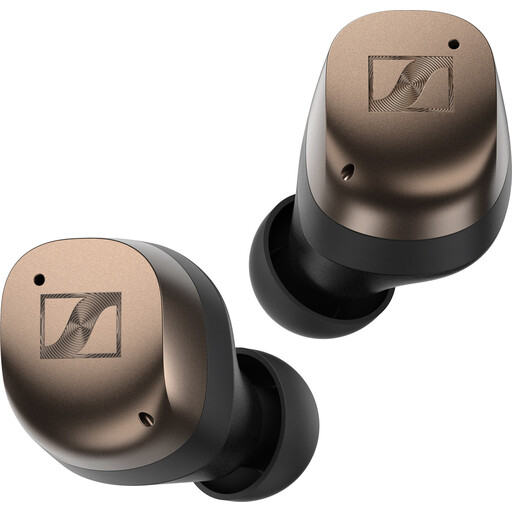
An in-ear option if you prefer earbuds to a headband.
The product description lists adaptive ANC, a transparency mode and adjustable 5-band EQ.
The stated maximum playback time of 30 hours includes the charging case. Colour: Black Copper.
 No image available
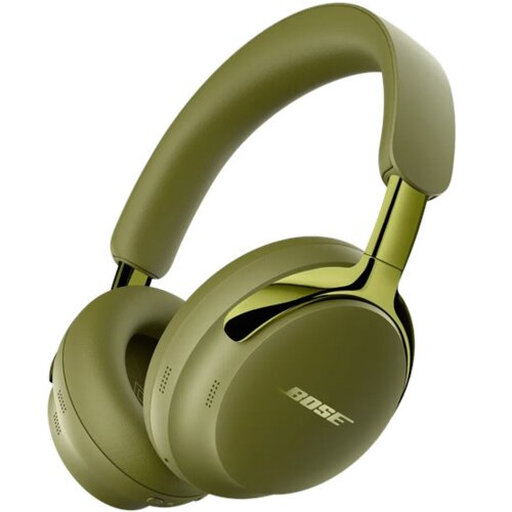
An over-ear ANC option if you want to use a wired connection as well as listening wirelessly.
The product description lists Bluetooth 5.4 and a detachable cable with USB-C and 3.5mm connections.
Colour: Olive Green.
 No image available
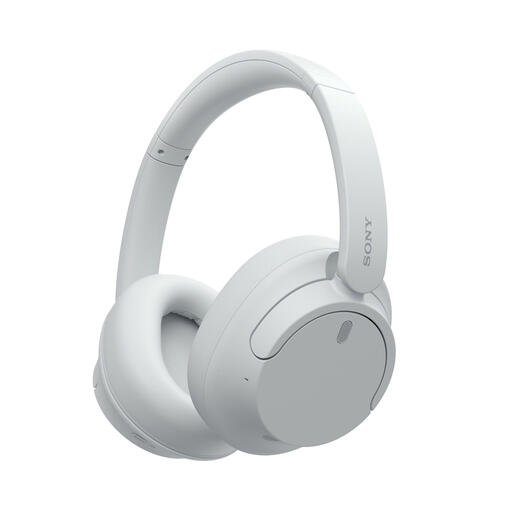
A closed-back over-ear ANC model to compare for a longer visit to the library.
The quoted battery life is up to 35 hours with noise cancelling on; the stated weight is 192 g.
The product description lists 20-step ANC settings and multipoint connectivity. Colour: white.
 No image available
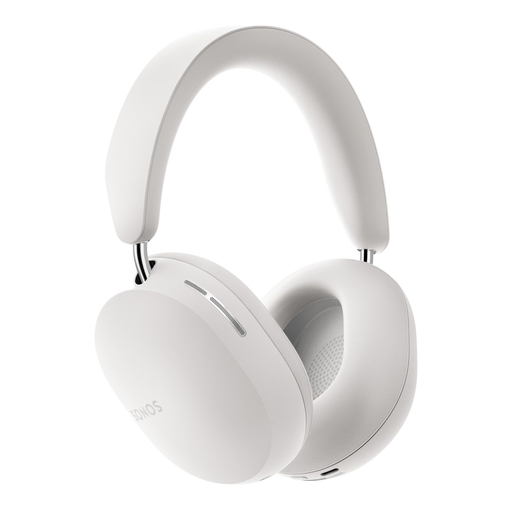
An over-ear ANC option if you want to adjust the EQ and use an ambient mode.
The product description lists EQ settings through the Sonos app and up to 30 hours with ANC on.
The description mentions soft memory foam ear cushions and an adjustable headband. Colour: white.
No. ANC mainly reduces the noise you hear from outside; sound leaking out is a separate consideration. Check it at your usual volume and with your usual fit.
Listen to the same familiar recordings at the same volume and judge the sound for yourself. The Consumentenbond uses music from a range of genres, including jazz, when testing headphones; an ANC specification alone says nothing about your sound preferences.
Not necessarily. If the room is quiet and well-fitting headphones give you enough peace at a low volume, maximum ANC doesn’t have to be your main deciding factor. ANC may be useful if ventilation noise or conversations bother you.
The World Health Organization advises keeping the volume low, considering how long you listen and taking breaks. Its example of an average of 80 dB for up to 40 hours a week isn’t a guarantee that any given volume setting is safe.