What should you look for when buying?
Start with speech reproduction for your vowel practice. Then compare noise reduction, connectivity and fit with the place and device you use.
| What to consider |
What should you look for? |
Who might this matter to? |
| Speech reproduction |
Look for a separate assessment of speech and, if possible, compare your own recording at the same volume. |
If I'm practising vowel contrasts, I want to assess the speech in my recording rather than relying only on a music score. Around 33% of consumers prioritise speech reproduction. |
| Background noise |
Compare noise reduction and fit; don't assume ANC will eliminate every sound. |
If I'm practising somewhere with background noise, I want fewer distractions without constantly turning up the volume. Around 27% of consumers put noise reduction first. |
| Connectivity |
Check the port on your phone or computer and whether the cable or audio mode you choose will work with it. |
If my recordings are stored locally on a device, I want to make sure the headphones will work with it using my chosen connection. Around 20% of consumers prioritise device compatibility. |
| Comfort and listening time |
Consider the fit, including when wearing glasses, and assess the stated battery life at the settings you plan to use. |
For repeated practice, I want headphones that feel comfortable and allow me to listen responsibly. Around 20% of consumers prioritise comfort and listening time. |
Products at Joybuy
This selection includes ANC headphones for practising with background noise, along with options where Bluetooth or a wired connection may be relevant. For each version, check that the connection and listening mode suit your device and how you plan to use it.
 Image unavailable
Bose QuietComfort Ultra Bluetooth – black
If you also want to use these headphones wired, check which cable and port are compatible with this version and whether they'll work with your device.
The product name specifies Bluetooth. The colour variant is black.
View product
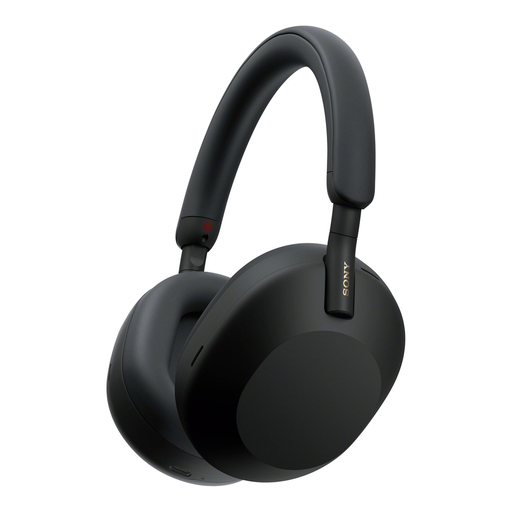 Image unavailable
Sony WH-1000XM5 wireless noise-cancelling headphones – Black
If you're practising with background noise, compare this option for noise reduction, speech reproduction and fit; ANC alone doesn't tell you whether vowels will sound clearer.
The product name specifies a wireless version with noise cancelling. The colour variant is Black.
View product
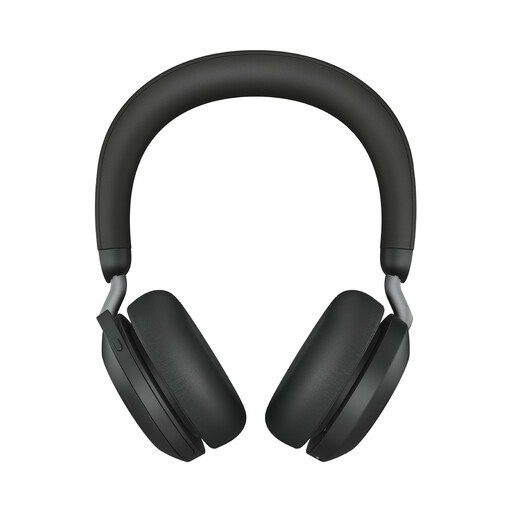 Image unavailable
Jabra Evolve2 75 USB-A MS Teams – Black
If you're considering this headset for practising with background noise, check the noise-cancelling features and fit of this exact version.
The product name specifies USB-A and MS Teams. Check that the version and audio mode you want are compatible with your device and software.
View product
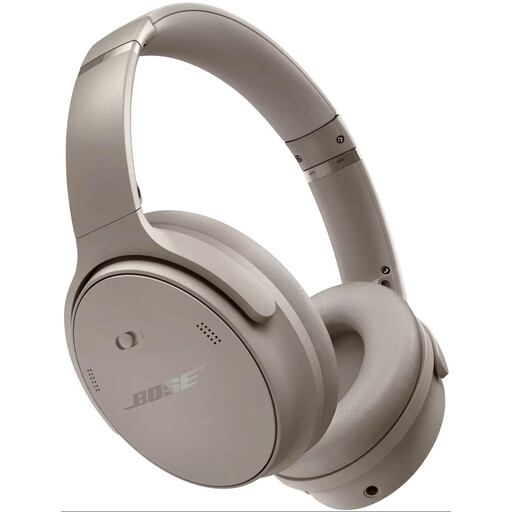 Image unavailable
Bose QuietComfort Headphones – Sandstone
If you want to practise wirelessly and hear background noise in between, check that Bluetooth and your preferred transparency mode are available on this exact version.
The colour variant in the product name is Sandstone.
View product
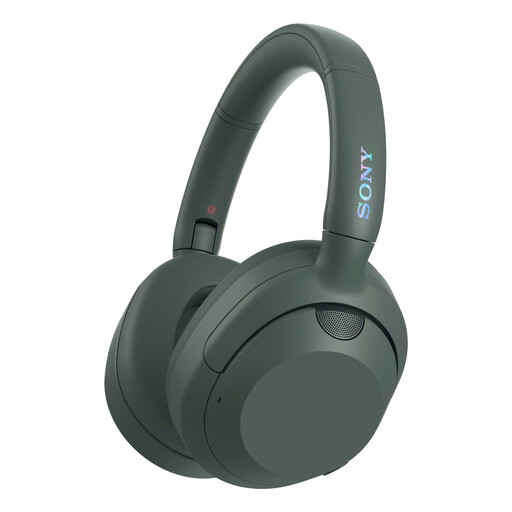 Image unavailable
Sony ULT WEAR wireless Bluetooth headphones – Forest Gray
If you're practising somewhere noisy, compare this option for noise cancellation, speech reproduction and fit.
The product name specifies Bluetooth, noise cancelling and a stated battery life of up to 30 hours. The colour variant is Forest Gray.
View product
Frequently asked questions
Does ANC automatically make Dutch vowel differences easier to hear?
No, that doesn't follow from research into vowel perception or from the presence of ANC. Noise cancellation can help reduce distracting background noise; also compare speech reproduction and try your own recording at the same volume.
Do I need an internet connection on my headphones to play downloaded recordings?
The recording needs to be playable locally on your phone or computer. After that, you'll need an audio connection supported by both your device and headphones. Check the specific ports, cables and listening mode: analogue and USB-C connections vary by model.
How can I keep practice sessions safe for my hearing?
Keep the volume low and take breaks, especially if you listen regularly or for long periods. The WHO gives an average of 80 dB for up to 40 hours a week as an example of safe listening exposure; a volume setting on your phone is not automatically a measurement in dB.
What are the warranty and cooling-off period rules in the Netherlands?
If a product is faulty, you have statutory rights as a consumer against the seller; the Netherlands does not have a fixed statutory two-year guarantee period, according to the Dutch government. For online purchases from a business, you usually have 14 days to change your mind. Check the relevant exceptions and the information provided by the seller.


