
Comparing pronunciation
You play short examples repeatedly and want to compare sounds at a comfortable volume. Try the headphones with your own practice material.


Start by comparing short speech samples on your own device at a comfortable, low volume; product specifications can’t prove that headphones reproduce Dutch sounds more clearly. Then choose a fit and level of noise cancellation that suit where you practise. If you record yourself or speak along with a video, also check which microphone your app uses and whether the connection causes noticeable lag.
You play short examples repeatedly and want to compare sounds at a comfortable volume. Try the headphones with your own practice material.
You want fewer distractions while listening, but may also need to hear housemates or other important sounds around you.
You practise for longer periods and want to know whether the headband, ear cushions or pressure from an on-ear model feel comfortable.
Start by listening to your own pronunciation examples. Then assess how quiet and comfortable the headphones are where you practise, and check the connections if you also record yourself or watch videos.
| What matters | What should you check? | Who is this for? |
|---|---|---|
| Comparing speech samples | Replay the same short clips on your own device at the same volume; check that the controls and any EQ settings work for you. | If I want to compare differences in sounds, I want to replay examples easily without continually turning up the volume. Around 33% of consumers focus mainly on comparing speech samples. |
| Reducing distractions | Compare noise cancellation on and off, and try any ambient sound mode; don’t expect complete silence. | If background noise distracts me from practising, I want fewer distractions and, when needed, the ability to hear sounds around me. Around 27% of consumers prioritise reducing background noise. |
| Comfort | Wear the headphones for a while, with your glasses on if applicable; pay attention to pressure, warmth and space around your ears. | If I practise for longer, I want a fit that stays comfortable throughout my session. Around 20% of consumers focus mainly on long-term comfort. |
| Connectivity and recording | Test the source device, app, audio output and the microphone used for recordings. | If I want to listen along, repeat what I hear or record myself, I want the connection and app settings to work together. Around 20% of consumers prioritise connectivity and recording. |
Noise cancellation and sound quality are different things. The fact that headphones reduce background noise doesn’t prove that they make Dutch speech sounds easier to distinguish.
Compare noise cancellation and your own speech samples separately, ideally where you usually practise.
Having a microphone on the headphones doesn’t automatically mean your practice app will select it.
Make a short test recording and check the microphone settings on your device and in the app.
In the Netherlands, the statutory warranty is separate from a manufacturer’s or retailer’s warranty. There is no fixed two-year term for the statutory warranty, according to ACM ConsuWijzer.
Before paying for an additional warranty, compare what it actually covers.
The WH-CH720N and WH-1000XM6 are over-ear models worth comparing if weight, connectivity and controls matter to you.
The QuietComfort Ultra Headphones (2nd Gen) are an over-ear option worth comparing if you need a choice of connections.
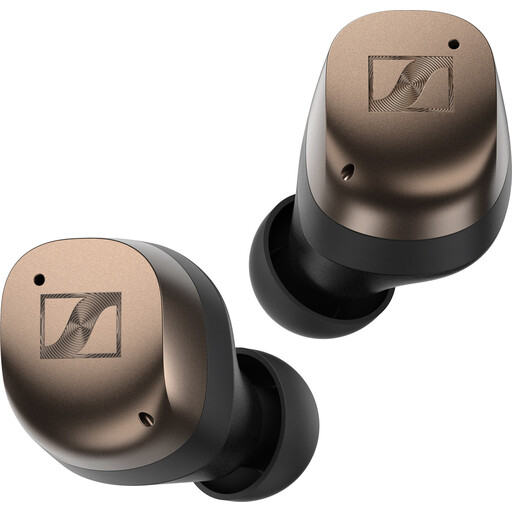
The MOMENTUM 4 Wireless is worth comparing if you’re considering EQ settings, a transparency mode and the stated battery life.
The Live 780NC and Live 680NC show how the fit can vary within an ANC range.
This selection of Joybuy products includes over-ear headphones and wireless earbuds with features to consider when practising with speech samples.
 No image available
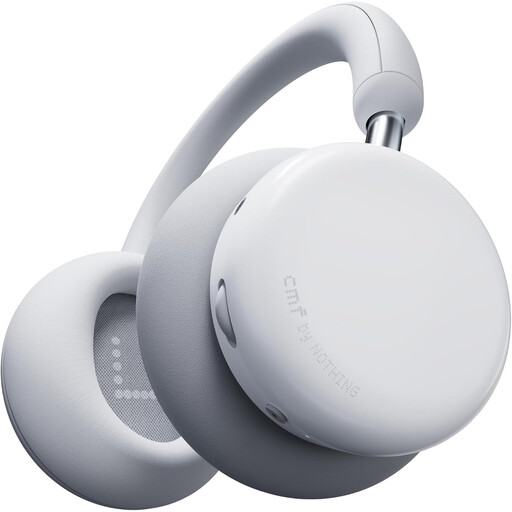
The over-ear design, EQ and playback and pause controls are useful if you listen to clips repeatedly.
 No image available
These wireless earbuds are an option to compare with over-ear headphones if you’d prefer a more compact in-ear fit.
 No image available
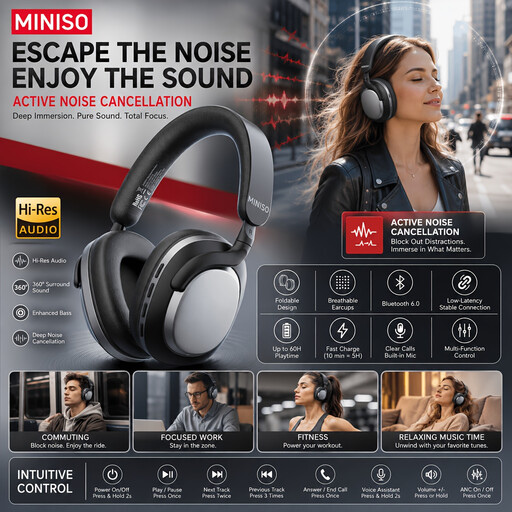
The adjustable sound modes and slider are useful if you want to try different settings with your own practice material.
 No image available
These in-ear earbuds are an option to compare if you want to use an adjustable EQ while listening.
 No image available
The over-ear design is worth considering if you want to try this fit during evening listening sessions.
No, ANC doesn’t always need to be on. Compare the same recording with ANC on and off where you practise; how much background noise is reduced varies by model and type of sound.
Make a short test recording in the app you use and play it back. Check which microphone the app has selected; a specification about phone calls doesn’t confirm which microphone your app uses.
The World Health Organization advises keeping the volume on personal audio devices below 60% of the maximum and, where possible, using well-fitting noise-cancelling headphones. This is listening advice, not a Dutch legal product requirement.
When you buy online from a business, you generally have a 14-day cancellation period, with some exceptions, according to the Dutch government. Your statutory warranty also remains in place: if a product doesn’t do what you could reasonably expect during normal use, the seller is responsible for providing an appropriate solution. ACM ConsuWijzer states that there is no fixed two-year term for the statutory warranty in the Netherlands.
That depends on the model and the features you want to use. For example, Sennheiser offers EQ settings through the Smart Control app. Check in advance which features you need and what access the app requests. The Dutch Data Protection Authority advises installing apps from trusted sources and checking their permissions.