
Vandaag of morgen in huis

Kwaliteit gegarandeerd

Welkomstaanbiedingen ontgrendelen: GRATIS bezorging | Tot 80% korting | Gratis 30 dagen JoyPlus-proefperiode
Download de app
Noise-cancelling headphones can be a welcome companion on the train, while working from home or when you want to listen to music in peace. But a high price or an eye-catching claim doesn’t automatically mean a model is right for you. The biggest differences often come down to comfort, battery life, connectivity and how effectively background noise is reduced.
Look out for these three common pitfalls:
ANC claims without clear context
A brand might, for example, claim noise reduction of several dozen decibels. That figure may apply under specific conditions, based on the brand’s own research or measurements. Results vary depending on fit, surroundings and sound frequency. Active noise-cancelling headphones generally work differently against an aircraft engine than against voices in an office.
Battery life measured with noise cancelling switched off
Manufacturers often quote the longest playback time with ANC switched off. So always check the battery life with ANC on. For some models, the difference is several hours.
A poor fit
Over-ear headphones can be comfortable on long train journeys, but may feel too warm when you’re out walking. Wireless noise-cancelling earbuds are smaller, but they won’t fit everyone equally well. The seal created by the ear cushions or earbuds also affects how much sound is blocked out.
Active Noise Cancelling, often shortened to ANC, uses microphones to pick up surrounding sounds and reduce them electronically. Passive isolation comes from the ear cushions or the seal in your ear. Both matter on a busy train or plane.
Also look for a transparency mode or ambient mode. This lets you hear traffic, colleagues or station announcements more clearly without taking your headphones off completely. Don’t use noise cancelling when cycling, driving or in other situations where you need to hear your surroundings to stay safe.
For everyday use, maximum battery life isn’t the only thing that matters. Also check:
A model offering 24 hours of playback may be enough for your commute. For long journeys or heavy use, 40 to 60 hours may be more practical. These are product specifications; volume, codec, ANC and usage conditions can all affect actual battery life.
A Bluetooth headset with multipoint can connect to, for example, a laptop and smartphone at the same time. This is useful when working from home or joining online meetings. For calls, check how many microphones the headphones have and what the manufacturer says about them. Claims such as “AI noise reduction” don’t guarantee that your voice will sound clear in every environment.
Also check the weight, adjustability and connections. Lightweight headphones aren’t automatically more comfortable: headband pressure and the shape of the ear cushions matter too. For music and calls, an app with an equaliser, firmware updates and adjustable modes can be handy.
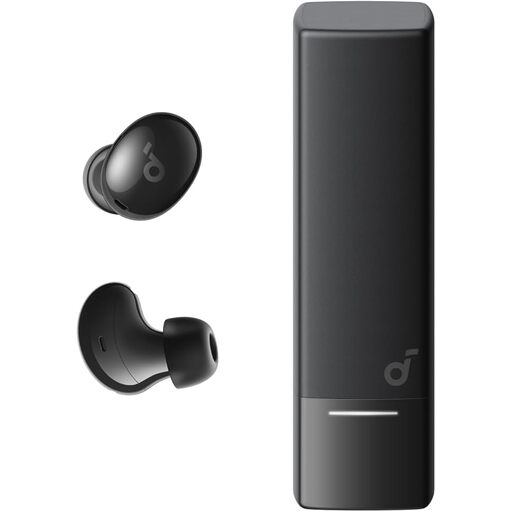
Why it suits this profile: These compact in-ear earbuds are a good choice if you want to save space in your bag and are trying active noise cancelling for the first time. The product description lists Bluetooth 5.4, multipoint and IP54.
According to the product information, the charging case extends total listening time beyond the earbuds’ standalone battery life. Be sure to choose the right earbud size for a good seal.
In-ear design, USB-C, Bluetooth 5.4 and a quoted playback time of 7 hours per charge, or up to 24 hours with the case.

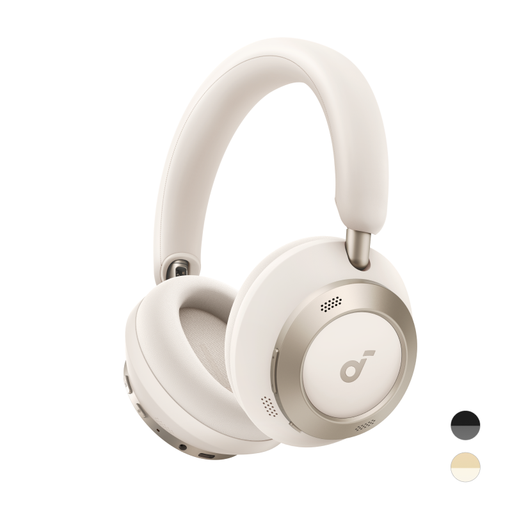
Why it suits this profile: This model is aimed at listeners who value an over-ear design, spatial audio and a choice of connection options.
As well as Bluetooth 5.4, the product information lists a detachable cable with USB-C and 3.5mm connections. That means you’re not reliant solely on a wireless connection or battery charge.
Active noise cancelling, Cinema Mode, spatial audio and a cable option for wired listening.
Why it suits this profile: For frequent travellers and people working from home, a foldable design, long battery life and quick charging are practical features.
The quoted battery life is listed separately for ANC on and off: 40 hours with ANC and 60 hours without it. The product information also states that a 5-minute charge provides 8 hours of use.
Foldable design, LDAC support, adaptive noise cancelling and a pressure-relieving headband, according to the product information.
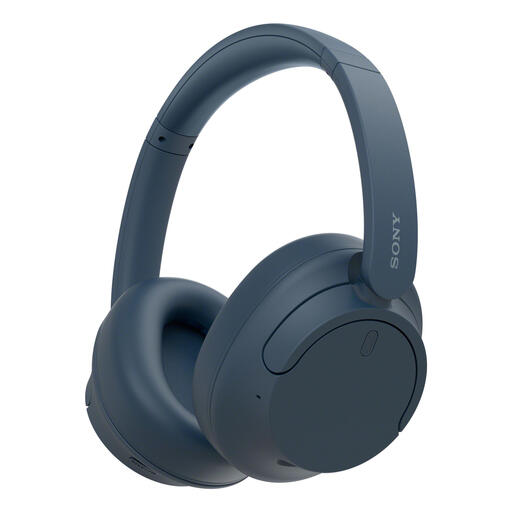
Why it suits this profile: With a quoted weight of 192 grams, multipoint connectivity and app controls, this model is well suited to commuters and professionals who often switch between a laptop and smartphone.
The product details distinguish between up to 35 hours with ANC and 50 hours without it. This gives you a more useful picture of what to expect in everyday use.
Bluetooth, multipoint, app settings and fast charging: according to the description, a 3-minute charge provides up to 1 hour of extra use.
Compare models on the same points, and don’t look at price alone:
A wireless headset with a good fit and clear specifications may work better in practice than a model with more marketing claims but less comfort. Remember to protect your hearing too: don’t listen at high volume for long periods, and don’t use ANC when you need to stay alert.
We’ve put together a complete, up-to-date list of products that meet these strict selection criteria and the applicable European safety regulations.
Yes. Many ANC models let you switch on noise cancelling without playing music. How well it works depends on your surroundings. Low, constant sounds are generally handled differently from voices or sudden noises.
It depends on the battery, hinges, ear cushions and how well you look after them. Charge the headphones with a suitable cable, store them somewhere dry and avoid high temperatures. If you use them frequently, replaceable ear cushions can extend their useful life.
They can be, but call quality depends on the microphones, software, wind and background noise. Check whether the model lists multipoint and a microphone. For important meetings, it’s a good idea to test the microphone in your own working environment first.
