
Vandaag of morgen in huis

Kwaliteit gegarandeerd

Welkomstaanbiedingen ontgrendelen: GRATIS bezorging | Tot 80% korting | Gratis 30 dagen JoyPlus-proefperiode
Download de app
Wireless earbuds with noise cancelling often look very similar on paper. In practice, they can differ considerably in wearing comfort, call quality, battery life and protection against moisture. A bold noise-cancelling claim also does not automatically tell you how enjoyable a model sounds on the train, how well its microphone performs outdoors or how securely it stays in place during exercise.
With this buying guide, you can compare true wireless earbuds, Bluetooth earbuds and ANC earbuds based on measurable features. That way, you can avoid mainly paying for marketing terms that say little about how you will use them.
Brands sometimes quote a maximum noise reduction figure in decibels. Based on the brand’s own research, this value may have been measured under specific conditions. In practice, performance also depends on the fit, the shape of your ear canal and the type of sound. Low, constant tones on a plane or train are usually very different from voices, cycling traffic or keyboard noise.
So do not look only at an ANC claim. Also check for:
‘Up to 30 or 40 hours’ usually means the total playback time with the charging case and sometimes without active noise cancellation. The earbuds’ own playback time may be considerably lower. So check whether the stated figure applies with ANC on, ANC off or to the complete system including the case.
A charging case with USB-C is practical for everyday use. Wireless charging can be convenient, but it is not essential if you usually use a cable.
An IPX4 rating means protection against splashing water according to the stated protection class. It does not make a model suitable for submersion. Also pay attention to the difference between the earbuds and the case: with some models, the earbuds are splash-resistant while the charging case must be kept dry.
For exercise and cycling in changeable weather, a higher rating such as IPX5 or IP55 may provide more leeway. Do not use ANC in situations where you need to hear traffic or surrounding sounds clearly.
Active Noise Cancelling, abbreviated to ANC, uses microphones to detect surrounding sound and produce opposing sound waves. The result varies depending on the situation. ENC generally refers to noise reduction for the microphone during calls; it is not the same as ANC for your listening experience.
If you are looking for earbuds for music and calls, check both features. A model with multiple microphones may appear suitable for calls on paper, but clarity also depends on wind, software and the surroundings.
Bluetooth 5.3 or Bluetooth 5.4 mainly indicates the connection standard being used. It does not automatically guarantee a longer range or better sound quality. Also check the supported codecs, multipoint functionality and compatibility with your phone.
Multipoint is useful if, for example, you want to connect a laptop and smartphone at the same time. Some features, such as an equaliser or firmware updates, require a separate brand app.
Wireless in-ear headphones should fit securely without creating pressure points. Extra earbuds in several sizes increase the chance of finding a suitable seal. This seal affects both comfort and the perceived bass and passive sound isolation.
Also check:
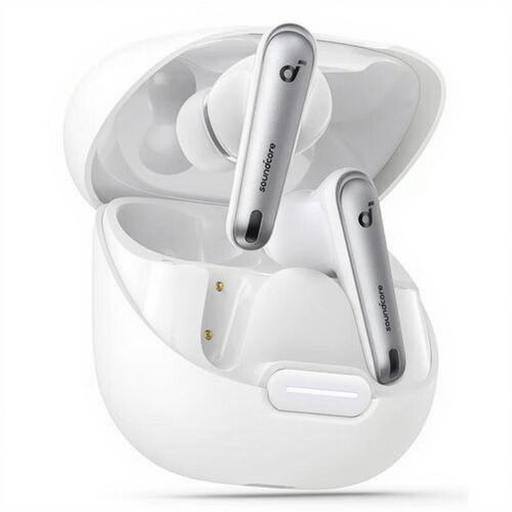
Why it suits this profile: This model combines ANC, Bluetooth 5.3, six microphones and a charging case with USB-C. It is designed for everyday listening and calls without requiring a large number of additional features.
The specifications state both a playback time of up to 10 hours and an IPX4 splash-resistance rating. This makes it immediately clear what to expect per charge and in damp conditions.
Bluetooth 5.3, LDAC profile, six microphones, touch controls and extra earbuds according to the product information.
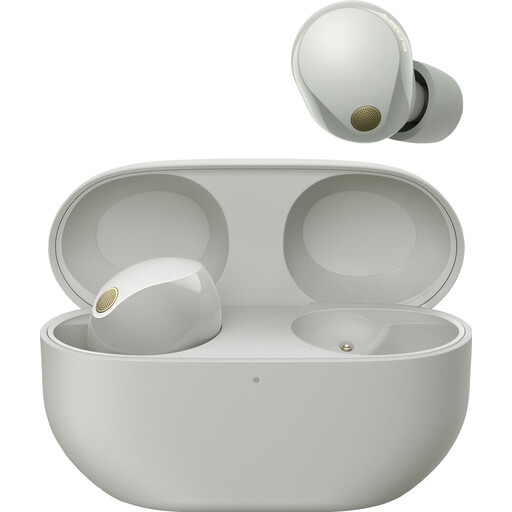
Why it suits this profile: For travellers and music lovers, multipoint, LDAC, AAC and a charging case offering up to 24 hours of total battery life are useful features.
The product details state a playback time of 8 hours with noise cancelling and a quick-charge function providing up to 60 minutes of playback from 3 minutes of charging.
Bluetooth 5.3, multipoint, USB-C, active noise cancellation and IPX4 splash protection according to the stated specifications.
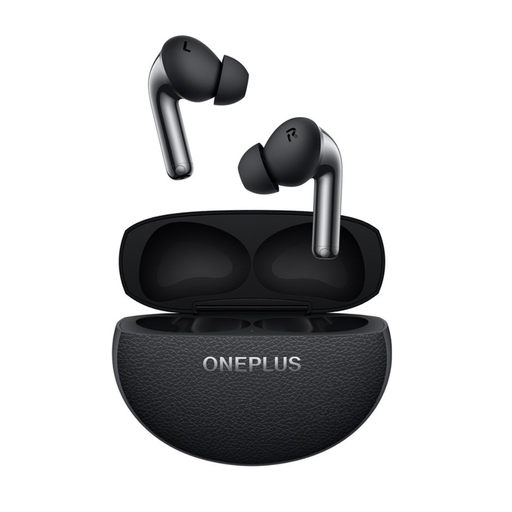
Why it suits this profile: This model is designed for music, calls and exercise and offers IP55 protection, Bluetooth 5.4 and multipoint support according to the product information.
The specifications distinguish between approximately 5 hours with ANC and up to 10 hours without ANC per charge, plus a case capacity of up to 44 hours.
IP55, Bluetooth 5.4, three microphones plus VPU, two drivers per earbud and USB-C according to the product description.
We have put together a complete, up-to-date list of products that fully meet these strict selection criteria and the applicable European safety regulations.
ANC is designed to reduce sound for the wearer. For the person on the other end of the call, the microphones and call software are particularly important. So check the number of microphones and look for a separate description of ENC or microphone noise reduction. Wind and heavy traffic can still affect call quality.
Battery capacity decreases over time, but practical lifespan also depends on charging habits, heat, moisture and everyday use. Store the earbuds in the charging case, keep the charging contacts clean and do not leave a lithium battery in extreme heat for prolonged periods. The stated playback time is a product specification, not a guarantee that the same capacity will last for years.
That depends on the IP rating, the fit and your surroundings. IPX4 is intended for splash protection; IPX5 or IP55 offers greater protection against water jets according to the classification. None of these ratings automatically means that you can swim while wearing the earbuds. When cycling or running, it remains important to be able to hear traffic and other warning sounds.
