
Vandaag of morgen in huis

Kwaliteit gegarandeerd

Welkomstaanbiedingen ontgrendelen: GRATIS bezorging | Tot 80% korting | Gratis 30 dagen JoyPlus-proefperiode
Download de app
On paper, wireless noise-cancelling earbuds often look very similar. In daily use, however, the differences can be significant. A pair that feels comfortable on a train journey won't necessarily perform well for phone calls or during a workout.
The three most common mistakes people make when buying are:
Avoiding these pitfalls will help you make a more informed choice when selecting true wireless earbuds for music, calls, travel, work, or sports.
Active Noise Cancelling, usually shortened to ANC, uses microphones to detect ambient sound and produce an opposing sound wave to cancel it out. This is most effective against constant, low-frequency sounds like train engines, aircraft noise, or air conditioning systems. It doesn't always reduce variable sounds like conversations or sudden noises to the same degree.
It's also worth checking if the earbuds have a transparency mode. This feature lets ambient sound in, which is useful when you need to hear an announcement or have a quick conversation. For earbuds used for music and calls, the number of microphones and how they handle wind and background noise are also important. A higher microphone count doesn't automatically guarantee better call quality.
According to its product description, the Soundcore Liberty 4 Pro uses six microphones. The A30i, based on its listed specifications, has four built-in microphones. While you can verify these numbers, they don't tell you on their own how your voice will sound on a busy street.
Pay attention to three separate figures:
A model with a USB-C port is convenient if you already use the same cable for your mobile phone, tablet, or laptop. Furthermore, wireless earbuds that come with a charging case are less likely to get damaged in a bag than loose ones.
The Soundcore Liberty 4 Pro product information states up to 10 hours of playback time and up to 40 hours with the case. The Sony WF-1000XM5 states up to 8 hours with noise cancelling on and up to 24 hours including the case. So, always make sure you're comparing like-for-like usage scenarios. A stated maximum is usually measured under specific conditions and may be lower in real-world use.
A good fit affects both comfort and passive noise isolation. Check if multiple sizes of ear tips are included and whether the shape is suitable for wearing for long periods. In-ear earbuds that are too loose will lose bass and may fall out while you're walking.
The IP code indicates the level of protection against dust and moisture:
The case must be dry before you put the earbuds back in. For sports earbuds, a higher rating is useful, but no rating makes them automatically safe for regular swimming.
Finally, look at the Bluetooth version, multipoint connectivity, and device compatibility. Multipoint earbuds can connect to two devices at once, for example, a work laptop and an Android or iPhone device. Some features, like an advanced equaliser or firmware updates, require the brand's app.
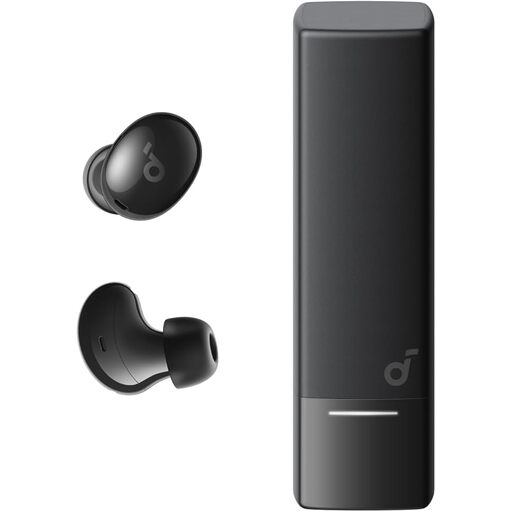
Why it's a good match: These compact true wireless earbuds are designed for daily use, commuting, and making calls. Multipoint connectivity makes it easier to switch between your laptop and phone.
The product information lists Bluetooth 5.4, multipoint, USB-C, and four microphones. Just be sure to check that the fit and app features are compatible with your phone.
According to the product description, they offer up to 7 hours of playback time, up to 24 hours with the case, USB-C, and an IP54 rating.
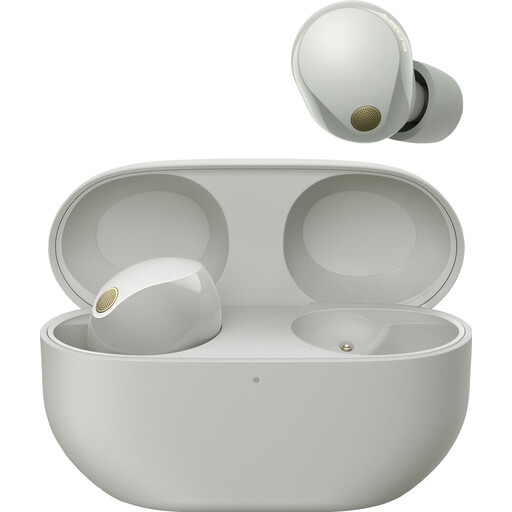
Why it's a good match: Ideal for listeners who place a high value on active noise cancellation, audio codecs, customisable settings, and dual-device connectivity.
The listed specifications mention multipoint, a USB-C case, an IPX4 rating, and support for AAC, SBC, LC3, and LDAC. The claim about noise-cancelling performance remains a brand claim.
According to the product information, they provide up to 8 hours with ANC, 24 hours with the case, and a fast-charge feature where 3 minutes of charging can deliver up to 60 minutes of playback.

Why it's a good match: A great option for travel, long workdays, and calls where features like adaptive noise cancellation, fast charging, and multiple microphones are important.
The product description mentions seven sensors, six microphones, USB-C, and a charging case. Claims about "three times stronger" noise reduction come from Anker and are not based on a universal measurement standard.
According to the listed product specifications, they offer up to 10 hours of listening time, up to 40 hours with the case, and a 5-minute charge provides up to 4 hours of playback.
We've put together a complete, up-to-date list of products that fully meet these strict selection criteria and comply with current European safety regulations.
ANC primarily reduces the noise you hear. For the person on the other end of the line, the microphones and the software that handles voice and wind reduction are more important. Therefore, check if the model explicitly mentions microphones, call noise reduction, or similar features. Don't expect a completely silent environment for your caller in strong winds or heavy traffic.
The battery capacity will decrease over time. The lifespan depends on the number of charge cycles, heat exposure, how long you use them, and how you store the case. Avoid leaving your earbuds in direct sunlight for extended periods and charge them with a suitable USB-C charger. A model with a case that provides several extra charges is practical if you're often on the go.
That depends on the fit and the IP rating. IPX4 is mainly suitable for sweat and light splashes; IPX5 or higher offers more protection under certain conditions. Don't use noise cancelling in situations where you need to hear traffic, cyclists, or other warnings. For running and cycling, transparency mode can therefore be more important than maximum noise reduction.
