
Vandaag of morgen in huis

Kwaliteit gegarandeerd

Welkomstaanbiedingen ontgrendelen: GRATIS bezorging | Tot 80% korting | Gratis 30 dagen JoyPlus-proefperiode
Download de app
Choosing a new fridge-freezer seems simple until you get tangled in a web of marketing jargon, confusing energy labels, and features that sound better than they are. Many people pay too much for an appliance that doesn't meet their expectations. As a Product Recommendation Officer at Joybuy, I see where things go wrong every day. Let's go over the three most common pitfalls so you can make an informed decision.
Pitfall 1: Misinterpreting the Energy Label The energy label was updated in 2021. An old A+++ fridge cannot be directly compared to a new model with a D or E label. Many buyers are put off by these letters, but a fridge with energy class C is now actually very efficient. Manufacturers must meet much stricter requirements, causing most models to fall into classes D, E, or F. So don't get fixated on the letter; look at the annual consumption in kWh on the label instead.
Pitfall 2: The "Low Maintenance" Myth Brands use terms like "Low Frost," "Smart Frost," or "Stop Frost." This sounds convenient, but it doesn't mean you'll never have to defrost again. Only a no-frost fridge-freezer completely prevents ice build-up by continuously circulating the air. Low Frost reduces ice formation, but you will still need to manually defrost the freezer section once or twice a year. If you truly want to be done with defrosting, "No Frost" is the only specification that matters.
Pitfall 3: Ignoring the Noise Level In an open-plan kitchen, a noisy fridge can be a constant source of irritation. A vague description like "quiet" means nothing. The noise level is expressed in decibels (dB). A difference of just 3 dB is a doubling of the sound. A quiet fridge has a noise level of 38 dB or lower. Anything above 41 dB can be perceived as disruptive, especially at night.
Buying a fridge is a long-term investment. Therefore, pay attention to the following objective specifications to ensure you choose the right model for your household.
As mentioned, the new energy labels (A to G) are stricter. An energy-efficient fridge-freezer will save you tens of euros annually.
The required capacity (in litres) depends on the size of your household:
Also, pay attention to the dimensions of the appliance itself, especially the depth. Some models protrude further than the countertop, which can obstruct walkways.
The finish determines the look and feel in your kitchen. A stainless steel fridge provides a modern, sleek look and is often treated with an anti-fingerprint coating. A black fridge is a popular choice for a chic and contemporary appearance. When considering the material, also check the sturdiness of the drawers and door bins.
Below are some models that score well on the most important specifications and suit different needs.
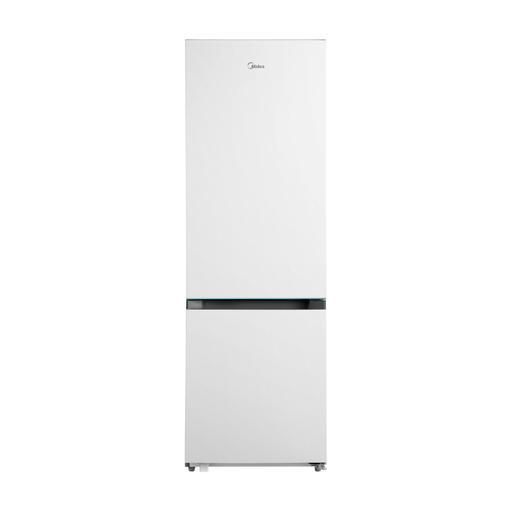
Why This Fits Their Persona: Ideal for those seeking a reliable, spacious, and quiet appliance without paying a premium. Perfect for a first home or a small family.
This model offers true No Frost technology and a very low noise level of 35 dB, features often lacking or underperforming in budget models.
Exceptionally quiet for its price range and a generous net capacity of 330 litres. The door is reversible for flexible placement.
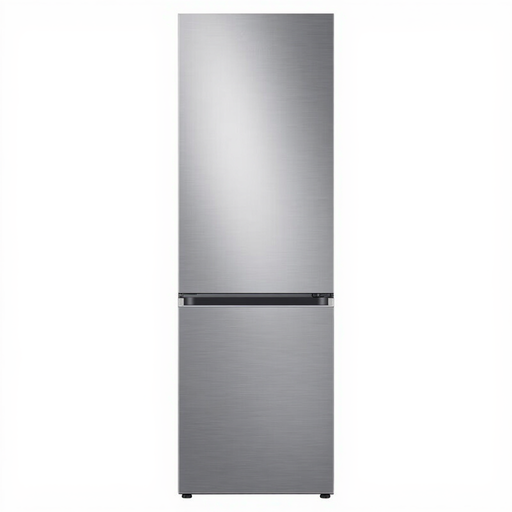
Why This Fits Their Persona: Perfect for a modern, open-plan kitchen where sleek design and silence are crucial. This Samsung fridge combines aesthetics with smart technology.
At 35 dB, this is one of the quietest models on the market. Its energy class C rating proves it is highly efficient under the new, strict regulations, clearing up any confusion about energy labels.
Highly energy-efficient and equipped with useful extras like the Optimal Fresh+ drawer and SmartThings connectivity for control via your smartphone.
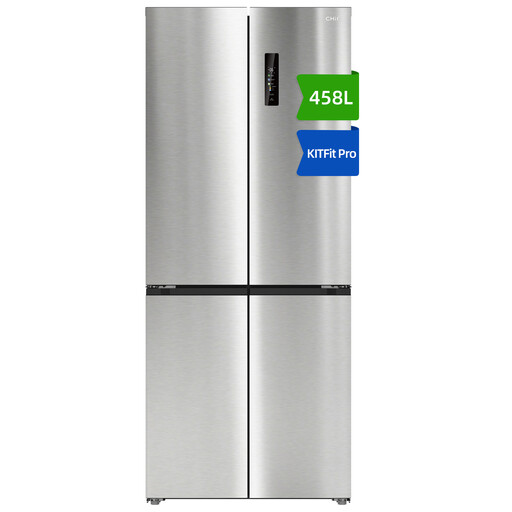
Why This Fits Their Persona: Offers maximum, flexible storage space for weekly groceries and more. The cross-door layout is ideal for staying organised and saving energy.
Provides the massive capacity of an American-style fridge without the noise, thanks to its quiet inverter compressor (37 dB). The 'True Flush' installation prevents the disappointment of an appliance that sticks out awkwardly.
Huge 458-litre capacity and a sleek, built-in look thanks to the KITFit Pro installation. The special Care+ zone with 3 temperature settings is perfect for delicate foods.
We have compiled a complete, up-to-date list of products that fully meet these strict selection criteria and UK regulations.
No Frost is a system that completely prevents ice formation by constantly blowing dry, cold air through the freezer compartment. This means you never have to defrost again. Low Frost significantly reduces ice build-up, but you will still need to manually defrost 1-2 times a year. Manual defrost is the traditional method where you turn off the appliance and let the ice melt.
No, not at all. According to the new, stricter EU guidelines from 2021, a fridge with energy class C or D is actually a very energy-efficient choice. These models are among the most efficient on the market. A model with class E or F is still a fine, common choice with acceptable consumption.
An appliance is considered quiet at a noise level of 38 decibels (dB) or lower. Models around 35 dB are exceptionally quiet and barely audible, making them ideal for open-plan kitchens or studios. A model with 41 dB or more can be perceived as disruptive, especially in a quiet environment.
