
Vandaag of morgen in huis

Kwaliteit gegarandeerd
Download de app
Categorieën

Choosing a new fridge-freezer can feel like a daunting task. You want a model that doesn't consume too much power, is quiet enough for your open-plan kitchen, and is completely hassle-free. The wrong choice can result in unexpectedly high energy bills, a constant background hum, or the tedious chore of periodically defrosting the freezer.
This article is a practical guide. We'll explain what to look for based on objective criteria and product parameters. We will then highlight several models that meet common requirements, such as a low noise level and smart features.
Before you make a choice, it's helpful to understand the most important specifications. These determine the ease of use, long-term costs, and how well the appliance will fit into your household.
A fridge-freezer with No Frost has become the standard for modern convenience. This technology prevents ice build-up in the freezer compartment by constantly circulating air and removing moisture. This has two direct benefits:
Since 2021, the EU has used a new energy label, ranging from A (most efficient) to G. Today, a fridge-freezer with energy class C is considered very energy-efficient. Many older models with an A+++ label would fall into a lower class (D, E, or F) under the new scale. Pay attention to the annual energy consumption in kilowatt-hours (kWh) to make an accurate comparison.
Do you have an open-plan kitchen or are you sensitive to noise? Then the noise level, expressed in decibels (dB), is a crucial factor. A quiet fridge-freezer produces less than 40 dB. Models around 35 dB are exceptionally quiet, comparable to the sound of a whisper. For the human ear, a difference of 3 dB is perceived as a doubling of the sound.
The required capacity depends on the size of your household. A common guideline is:
Most models in this segment are freestanding fridge-freezers, which offers flexibility in placement.
A smart fridge-freezer offers extra convenience via Wi-Fi connectivity. This includes features like adjusting the temperature via a smartphone app, receiving a notification if the door is left open, or activating energy-saving modes.
Below is a selection of fridge-freezers, analysed based on their specifications and functionalities.
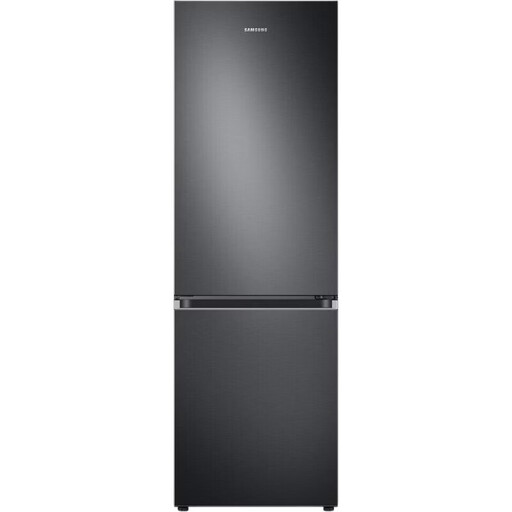
Why this product? This Samsung fridge-freezer combines a very low noise level with smart, energy-saving features. Its SpaceMax technology provides more interior space without increasing the external dimensions, a practical solution for the modern kitchen.
Pros:
Who is this for? For households looking for a quiet, spacious, and technologically advanced fridge. Ideal for open-plan kitchens and users who want to actively manage their energy consumption via an app.
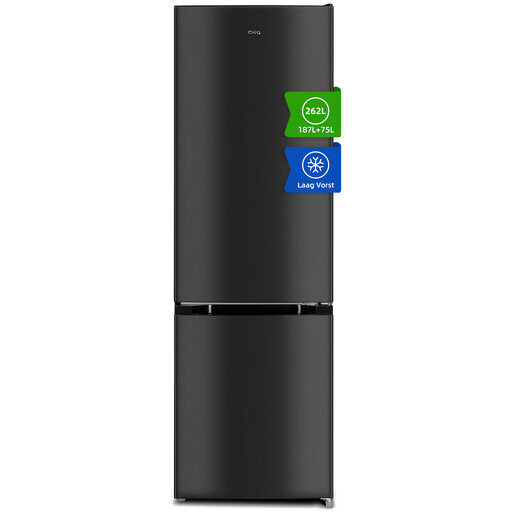
Why this product? The CHiQ CBM260LC is a practical and energy-efficient choice with a focus on the essentials. The model boasts low energy consumption and a quiet design. Note: this model uses Low Frost technology, which significantly reduces ice build-up but does not eliminate it completely like No Frost.
Pros:
Who is this for? For smaller households (1-3 people) seeking a highly energy-efficient and quiet fridge, who don't mind occasionally defrosting the freezer. A solid choice for those who prioritise low annual power consumption.
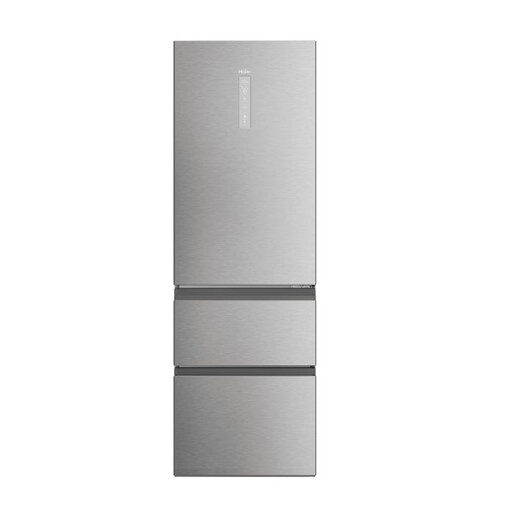
Why this product? This Haier fridge-freezer stands out with its 3-door design, which includes two convenient freezer drawers. This improves access to and organisation of frozen goods. The combination of Total No Frost, a very low noise level, and smart features makes it a complete package.
Pros:
Who is this for? For families who need a lot of freezer space and value an organised layout. The combination of silence, space, and smart technology makes it an excellent choice for busy, modern households.
The models above offer a balance of various features. Are you specifically looking for a model designed for maximum durability and even lower energy consumption? Then consider models with an inverter compressor. These continuously adjust their operation based on cooling demand, resulting in quieter performance and a longer lifespan.
Explore our selection of fridges and freezers with an inverter freezer.
1. What is the difference between No Frost and Low Frost? No Frost completely prevents ice build-up by continuously circulating dry, cold air. You never need to defrost. Low Frost significantly reduces ice build-up (by up to 80% compared to a conventional model), but manual defrosting is still required over time (usually once every year or two).
2. Is a fridge-freezer with energy class C efficient? Yes, under the current EU energy labels (introduced in 2021), class C is a very good rating. The scale is much stricter than the old A+++ system. An appliance with a C label is among the more efficient models on the market and will help you save on your energy bill.
3. How much quieter is a 35 dB fridge compared to a 38 dB model? A 3 dB difference may seem small, but the decibel scale is logarithmic. This means a noise level of 38 dB is perceived by the human ear as roughly twice as loud as a 35 dB level. For an open-plan kitchen or a light sleeper, this difference can be noticeable.
Written by the Joybuy Product Recommendation Officer