
Vandaag of morgen in huis

Kwaliteit gegarandeerd

Welkomstaanbiedingen ontgrendelen: GRATIS bezorging | Tot 80% korting | Gratis 30 dagen JoyPlus-proefperiode
Download de app
For many households, an extra freezer isn't a luxury but a necessity. Whether you buy in bulk, cook meals in advance, or simply want a ready supply of pizzas and ice cream. However, periodically defrosting a freezer is a chore nobody looks forward to. A No Frost freezer promises the solution: no more scraping ice. But not all models live up to that promise. Before you buy a freezer, it's crucial to understand the common pitfalls that could cost you money and convenience in the long run.
Pitfall 1: The Empty Promise of "Spacious Capacity" Manufacturers love to advertise a large litre capacity, but the actual usable space can be very disappointing. An awkward layout with drawers that are too small or a large motor compartment at the bottom can make a 200-litre freezer less practical than a smartly designed 180-litre model.
Pitfall 2: The Hidden Costs of a Poor Energy Rating A cheap freezer with an E or F rating might seem like a good deal, but the energy bill will tell a different story after a few years. An energy-efficient freezer with a better rating (e.g., C or D) may cost slightly more upfront but will often save you hundreds of pounds over the appliance's lifespan.
To find a model that truly fits your needs, it's wise to look beyond the marketing buzzwords. The following specifications are crucial to your purchasing decision.
This is the most important consideration. The technology determines how much maintenance you'll have to perform.
Since 2021, freezers have a new energy label ranging from A (very efficient) to G (very inefficient). However, don't focus solely on the letter. The most useful information on the label is the annual energy consumption in kWh. Multiply this number by your electricity rate to calculate the estimated annual running costs. This allows you to objectively compare what an energy-efficient freezer will actually save you.
The required capacity depends on your household. A general guideline is:
A large freezer is ideal for families who buy in bulk. Also, pay attention to the noise level, expressed in decibels (dB). A quiet freezer produces less than 40 dB, which is comparable to a whisper. This is especially important if the freezer will be placed in an open-plan kitchen or a utility room next to a living area.
Based on objective specifications, we have selected a number of models that suit different needs and budgets.
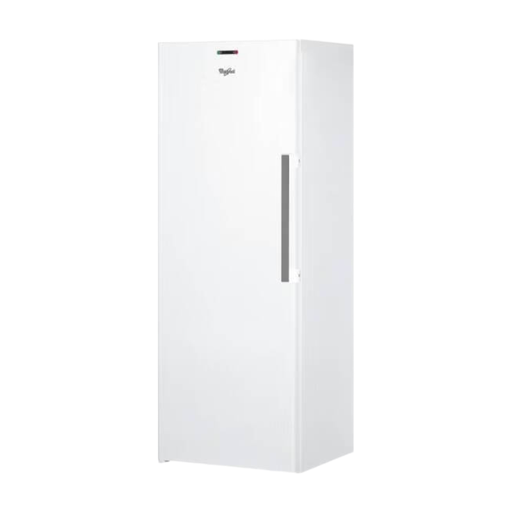
Why This Fits Their Persona: Ideal for families who need a lot of freezer space and don't want to spend time on maintenance. The generous 228-litre capacity and practical drawer layout make it easy to store a full week's worth of supplies.
This model features a full-fledged No Frost system, allowing you to completely avoid the pitfall of manual defrosting. The 228 litres are practically laid out, ensuring the capacity is genuinely usable.
Capacity: 228 litres
Energy Class: D (184 kWh/year)
Feature: 6th Sense Freeze Control minimises temperature fluctuations.
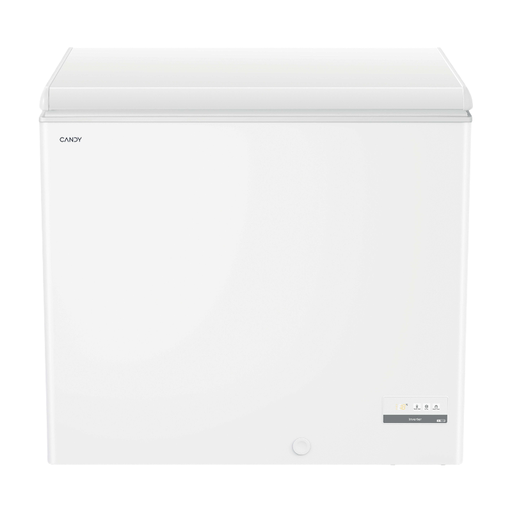
Why This Fits Their Persona: Perfect for those who buy in bulk and place their freezer in a garage or shed. A chest freezer offers maximum open space for large packages, and the low energy consumption keeps costs down.
This model bypasses the pitfall of high energy costs with its energy class C. The Low Frost technology is a fair compromise: it drastically reduces ice build-up, so you don't have the maintenance of a standard freezer.
Capacity: 196 litres
Energy Class: C (very efficient)
Type: Chest freezer with Low Frost.
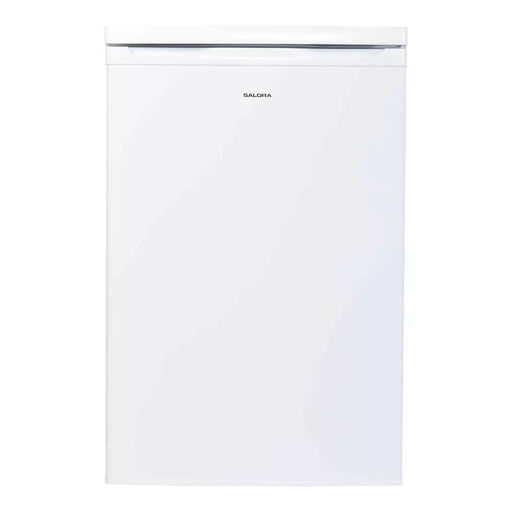
Why This Fits Their Persona: A compact and affordable model for smaller households or as an extra freezer. With 91 litres and four drawers, it offers a surprising amount of organised storage for its size.
This is a basic model without No Frost, which explains its lower price. It's a conscious choice for those who prioritise budget and don't mind defrosting occasionally. The four drawers do ensure efficient use of space.
Capacity: 91 litres
Noise Level: 40 dB (quiet)
Extra: Reversible door for flexible placement.
We have compiled a complete, real-time list of products that fully satisfy these strict selection criteria and UK safety regulations.
In theory, a freezer with a properly functioning No Frost system never needs to be defrosted. The system actively prevents ice from forming. However, it is advisable to switch off the freezer once a year and clean the inside with soapy water for purely hygienic reasons.
The purchase price of a No Frost model is often slightly higher than that of a manual defrost model. In terms of consumption, however, a No Frost freezer is often more efficient. A layer of ice in a traditional freezer acts as insulation, forcing the motor to work harder to keep the temperature low. Without ice, energy consumption remains stable and low, which can actually save you money in the long run.
Place a freestanding freezer in a dry, well-ventilated area, away from direct sunlight or heat sources like an oven or radiator. Check the appliance's climate class (indicated by letters such as SN, N, ST, T). This class specifies the ambient temperature range within which the freezer functions optimally. Placing a freezer in a room that is too cold or too warm can lead to higher energy consumption or malfunctions.
