
Vandaag of morgen in huis

Kwaliteit gegarandeerd

Welkomstaanbiedingen ontgrendelen: GRATIS bezorging | Tot 80% korting | Gratis 30 dagen JoyPlus-proefperiode
Download de app
When you buy NIVEA skincare products online, you’ll soon come across claims such as “48-hour hydration”, “for sensitive skin” or “instant protection”. These claims can be helpful, but they don’t always tell you whether a product will suit your routine. The right choice mainly depends on your skin type, when you’ll use it, its ingredients and its packaging.
A label such as “moisturising” doesn’t automatically mean a cream is suitable for very dry or sensitive skin. So check the full ingredients list. Ingredients such as glycerine, panthenol, hyaluronic acid, almond oil or jojoba oil can be a good fit for a hydrating skincare routine, but fragrance and certain preservatives may not suit everyone.
Claims about how a product works come from its product description or from research cited by the brand. For example, NIVEA states that some lotions provide hydration for a specific period, based on instrumental or clinical evaluations. This doesn’t guarantee that everyone will have the same experience.
For NIVEA sun cream, SPF 30 or SPF 50+ is an important indicator of protection against UVB rays. Also check whether the product states that it offers UVA protection. Apply plenty and reapply after swimming, towel-drying or sweating. A water-resistant formula won’t stay on indefinitely.
For babies and children, shade, clothing and avoiding direct sunlight are important too. Sun cream doesn’t replace these precautions.
A rich cream can feel pleasant on dry areas of the body, but may feel heavy on oilier facial skin. Micellar water is handy for cleansing, but it doesn’t always replace a complete cleansing routine. Texture also matters when shaving: shaving foam feels light, while shaving gel often gives you better visibility and glide.
Start by checking what the product is intended for:
NIVEA facial skincare includes different product groups, such as micellar water, facial cleansers, scrubs and sun protection for the face. Don’t expect one product to replace every step.
Read the label, especially if you’ve previously reacted to fragrance, alcohol, essential oils or certain preservatives. “Dermatologically tested” describes testing for skin compatibility; it doesn’t mean irritation is ruled out for every user.
With NIVEA micellar water, the differences between variants matter. According to the product information, the Sensitive formula in the range is fragrance-free. The Rose Care variant contains rose water, fragrance and perfuming ingredients. This may be a pleasant choice if you like scented products, but less suitable if you want to avoid fragrance.
A larger pack isn’t always better value if you only use the product occasionally. Check:
Store creams, sun cream and aftersun in a cool place, away from direct sunlight and heat sources. Stop using a product if you have a clear skin reaction, and rinse products out of your eyes immediately with plenty of water.
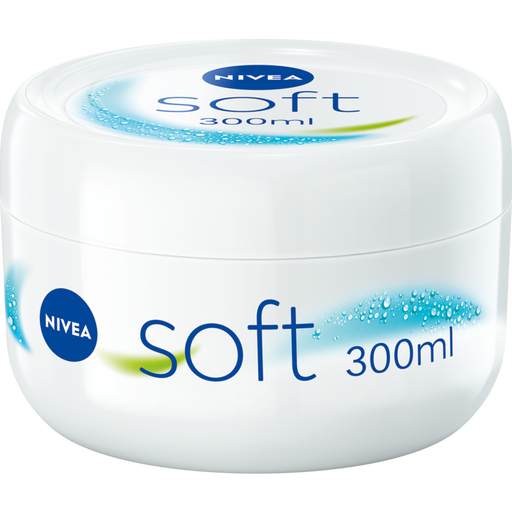
Why it suits this profile: One cream for both face and body is practical when you want to build a simple daily routine.
The description mentions a light texture and quick absorption. Still, check whether fragrance and alcohol denat. suit your skin.
300 ml; contains glycerine, vitamin E and jojoba oil, according to the product information.
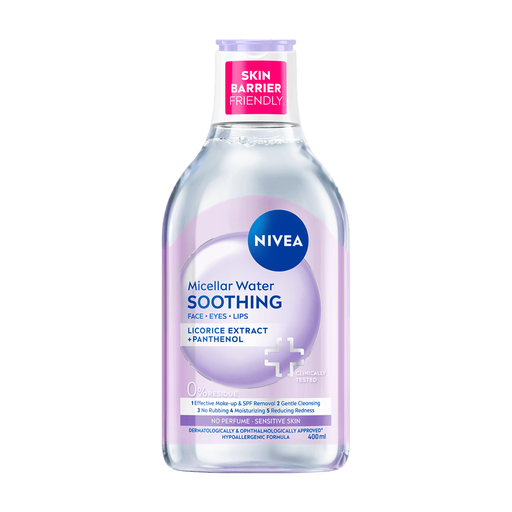
Why it suits this profile: A good choice if you want to remove make-up, SPF and everyday impurities with a gentle product.
The product information states that the formula is fragrance-free. If you have a known sensitivity, check the label anyway.
400 ml; contains panthenol and amino acids, according to the product description; the instructions say rinsing isn’t necessary.
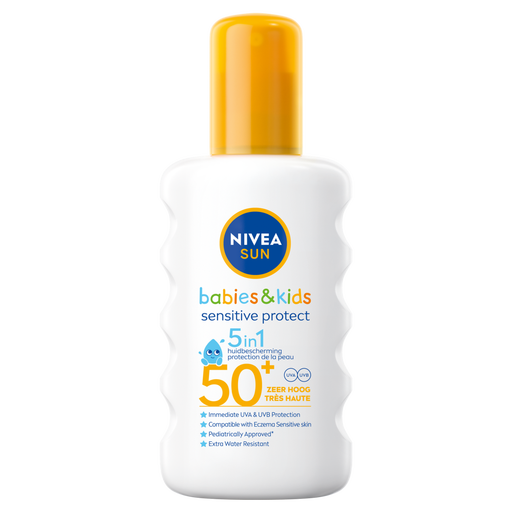
Why it suits this profile: According to the product information, the spray is developed for children aged 6 months and over and is fragrance-free.
The instructions warn against spraying directly onto the face. Spray into your hands first, then apply generously.
SPF 50; UVA/UVB protection, according to the product description; extra water-resistant formula.
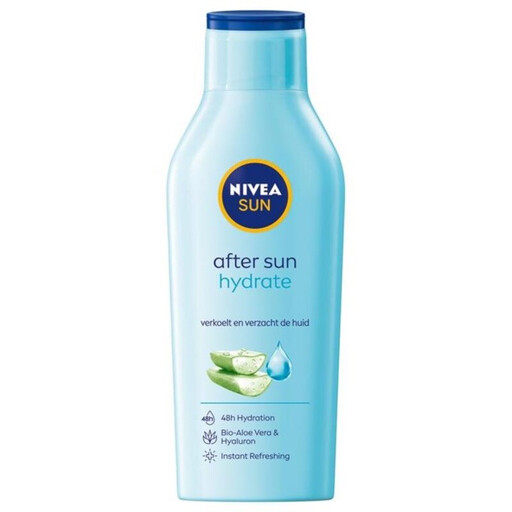
Why it suits this profile: Handy if you want a separate lotion to care for skin exposed to the sun after spending time outdoors.
Aftersun isn’t sun cream. During the day, use a suitable sun protection product first, and use this lotion to care for your skin after exposure.
400 ml; contains aloe vera, vitamin E and hyaluron, according to the product description; light texture.
We’ve put together a complete, up-to-date list of products that meet these strict selection criteria and current European safety regulations.
For everyday body care, you can compare NIVEA body lotion, body milk, shower gel and shower oil. A shower oil containing oils can feel different from a gel with foaming cleansing agents. If you use a self-tanner, such as a Sun Touch or Q10 Bronze body lotion, apply it evenly. Wash your hands afterwards and wait until the lotion has absorbed before getting dressed.
For shaving, you can choose between NIVEA shaving foam and NIVEA shaving gel. A Sensitive variant lists ingredients including chamomile and vitamin E. Check whether “alcohol-free” refers to ethyl alcohol, and always read the full ingredients list. For hair care and styling, you can compare NIVEA shampoo and hairspray by hold, size and ingredients. NIVEA Volume Care hairspray states that it provides 24-hour hold and contains panthenol; these are product specifications, not a guarantee for every hair type.
It varies by product. Ideally, choose a product clearly labelled as developed for sensitive skin and check for fragrance, alcohol and other ingredients. If you’re unsure, try a small amount on a limited area of skin first.
Protection depends on how much you apply, the SPF level and how often you reapply. Reapply after swimming, towel-drying and sweating. Don’t store sun cream for long periods in a hot car or in direct sunlight, and follow the date and usage information on the packaging.
NIVEA aftersun is designed to care for skin after sun exposure and often contains ingredients such as aloe vera or hyaluron. A regular body lotion is intended for everyday body care. Neither replaces sun cream while you’re exposed to the sun.
