
Same-day & Next-day Delivery

Quality Guaranteed

Unlock Your Welcome Offers: FREE Delivery | Up to 80% OFF | Free 30-day JoyPlus trial
Download the APP
A product that works while you sleep sounds ideal. A night mask promises just that: you apply it before bed and wake up with hydrated, soothed, or radiant skin. But in the world of skincare, not all that glitters is gold. Promising jars can sometimes lead to disappointment and unnecessary expense.
Before you invest in a new overnight mask, it's wise to understand the common pitfalls. This will help you avoid a bad purchase and choose a product that truly works for your skin.
To sidestep these pitfalls, it's helpful to focus on a few objective characteristics. These will determine if a leave-on mask is right for you.
A night mask stays on your skin for hours, so its texture is crucial for comfort. You don't want a sticky layer that transfers to your pillow. Look for the following types:
Look beyond the marketing and focus on ingredients with proven effectiveness for your specific skin goals. Many innovations in this area come from Korean skincare.
Based on formula, texture, and skin goals, we've highlighted several popular choices that suit different user profiles.
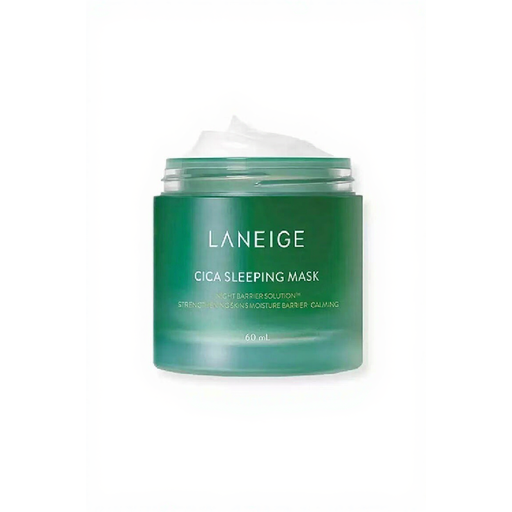
Why This Fits Their Persona: Perfect for those with sensitive, red, or irritated skin. This mask is specifically designed to strengthen the skin barrier overnight and calm the skin after exposure to daily stressors.
This mask focuses on a powerful, targeted ingredient (Cica) instead of a vague mix of 'miracle ingredients'. It delivers what it promises: calming and repair.
According to Laneige, it contains 'Forest Yeast', a patented cica ingredient that effectively helps restore the skin barrier. The nourishing cream texture is soothing without being too heavy.
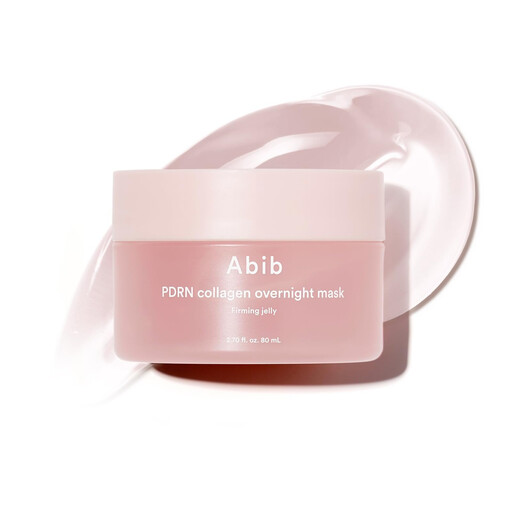
Why This Fits Their Persona: For those focused on improving elasticity and achieving firmer, fuller-looking skin. This mask is a modern approach to anti-aging, aimed at boosting the skin's resilience.
The unique 'jelly' texture forms a resilient layer that locks in moisture without clogging pores, a common problem with traditional, heavy anti-aging creams.
Combines plant-based PDRN with low-molecular-weight collagen. According to Abib, this combination is aimed at improving elasticity and providing a 'plumping' effect.
We've compiled a complete, up-to-date list of products that meet these selection criteria and comply with current regulations.
A good rule of thumb is 2 to 3 times a week, as an intensive boost for your skin. However, this depends on your skin type and the instructions for the specific product. Very dry skin may benefit from more frequent use of a hydrating mask, while those with oilier skin might want to start with once a week.
Yes, on the nights you use a night mask, it replaces your night cream. An overnight mask is designed to be the final, sealing step in your evening routine. Apply it after your cleanser, toner, and any serums.
Absolutely. Oily skin is not the same as hydrated skin; in fact, excess sebum production is often a reaction to dehydration. A light, hydrating mask with a gel texture can help balance the skin without clogging pores. Ingredients like niacinamide are especially beneficial here, as they both hydrate and regulate sebum production.
