
Vandaag of morgen in huis

Kwaliteit gegarandeerd

Welkomstaanbiedingen ontgrendelen: GRATIS bezorging | Tot 80% korting | Gratis 30 dagen JoyPlus-proefperiode
Download de app
A night light might seem like a simple purchase, but the differences between models are significant. Some lights provide continuous illumination, while others only switch on in darkness or when they detect movement. The power source, brightness and safety specifications also determine whether a model is right for your home.
For parents of babies and toddlers, a light that is too bright can be inconvenient during a nighttime check. In a hallway or wardrobe, you want the light to come on automatically. This buying guide helps you compare the key features and avoid common mistakes.
The term 'sensor' is used for different functions. A light sensor reacts to the amount of ambient light. For example, the light turns on when it gets dark and off in daylight. A motion sensor or PIR sensor reacts to movement within a certain range.
For a bedroom, a light sensor is often sufficient. For a staircase, hallway, wardrobe or bathroom, a night light with a motion sensor can be more practical. So, check which type of sensor is mentioned and what the detection range is.
A warm colour temperature of around 2,800 to 3,200 kelvin is generally perceived as warmer than cool white light of 6,500 kelvin or higher. However, the brightness also determines how useful it is. A 20-lumen lamp serves a different purpose to a bright cupboard light with dozens of LEDs.
Look for information on lumens, colour temperature and dimmability. A dimmable night light gives you more control when you use it in a nursery, at bedtime or for night-time feeds.
With a rechargeable night light, the battery capacity is important, but the brightness setting you choose also affects how long it lasts. Also check whether a charging cable is included, how long charging takes, and whether the light can be used while it is charging.
For fixed plug-in models, you don’t need to charge a battery. Instead, you need to consider placement, plug size and the availability of a socket.
For a night light in the bedroom or nursery, multiple brightness settings are practical. A low setting can be suitable for a quick check, while a higher setting provides more visibility in a hallway or child’s room.
A warm white colour around 2,800–3,200 K often suits ambient lighting. Cooler white light can be better for a wardrobe or kitchen, where you want to see colours and objects clearly. Product descriptions from brands may highlight certain features; treat these as stated product specifications and always check the full product information.
A night light with a sensor can work in two ways:
A PIR sensor with a range of, for example, 3 to 5 metres can be handy in a hallway or wardrobe. The mounting height and direction affect how it works. So, fit a cupboard light with a sensor in a way that the sensor isn’t blocked by a shelf or door.
For a children’s night light, rounded shapes and a sturdy casing are practical points to consider. Always check the age recommendation, warnings about small parts, and the instructions for batteries.
A soft silicone light may appeal to toddlers, but that doesn’t mean it’s suitable as a toy to chew on or throw. Follow the instructions for use and keep electrical products out of reach of young children when the manufacturer advises it.
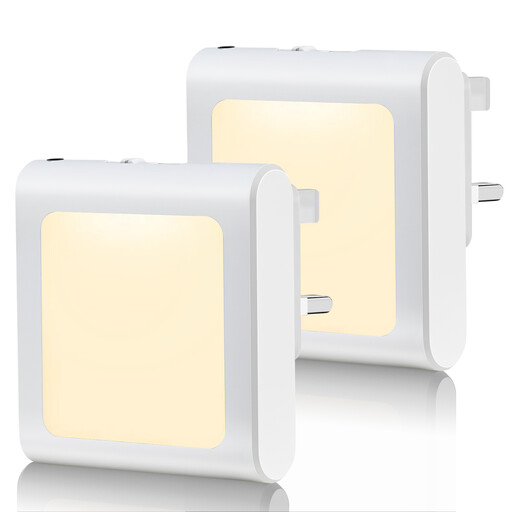
Why this fits: A set of two lights is handy for, say, the bedroom and hallway, without having to buy several separate models straight away.
The product description mentions two lights, compact dimensions and direct connection to a socket. This means there’s no battery that could unexpectedly run out.
ABS+PC housing, two per pack and intended for use in, among others, the bedroom, hallway and nursery.
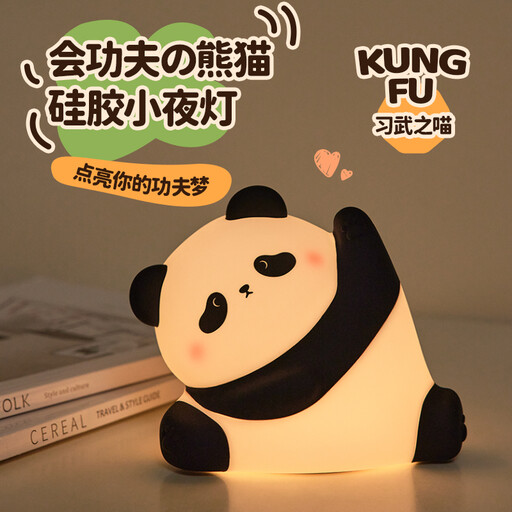
Why this fits: The portable design and touch control suit a nursery, child’s room or temporary use outside the bedroom.
The product specification mentions a 1200mAh battery and three brightness settings. This means you’re not stuck with one fixed brightness level or a permanent socket.
Soft silicone design according to the product description, touch control and three dimming levels. The manufacturer advises supervision when used with babies.

Why this fits: Suitable for a wardrobe, kitchen cupboard, shelf or dark passageway where automatic light is wanted.
The stated PIR sensor has a range of 3–5 metres. That’s more specific than a general description like 'automatic lighting'.
Two lights, 41 LEDs per light, three colour temperatures and a rechargeable 1100mAh battery. According to the product description, installation can be done without drilling.

Why this fits: The unicorn shape works as a children’s night light, decoration and portable lamp for the child’s room.
The product information mentions three brightness settings and a 30-minute timer. Do check whether these features suit your desired bedtime routine.
Rechargeable 1200mAh battery, USB-C cable as stated, three light settings and a stated battery life of 8–10 hours per charge.
Browse a current selection of night lights and compare models by sensor function, dimmability, light colour, power source and intended use.
Place the light in a spot where the sensor has a clear view of the walking route. In a hallway, mounting at hip to chest height often works well, while cupboard lighting can be fitted on the inside or under a shelf. Test the detection before you fix the adhesive material permanently.
An LED night light generally uses very little electricity, but the exact consumption depends on the wattage and the number of hours it’s on. A model with a light sensor only comes on when it’s dark. A rechargeable night light uses electricity while charging; so check the battery capacity and how often it needs charging.
A dimmable model can be practical because you can adjust the brightness to suit the moment: low for a quick check and higher when you need to find something. Always check the age recommendation, warnings and placement. A night light is lighting, not a toy, unless the product information explicitly states otherwise.
