
Vandaag of morgen in huis

Kwaliteit gegarandeerd

Welkomstaanbiedingen ontgrendelen: GRATIS bezorging | Tot 80% korting | Gratis 30 dagen JoyPlus-proefperiode
Download de app
A night light may seem like a simple purchase until you use it every day. That is when you may discover that the sensor reacts too slowly, the light is too bright or the plug blocks a second socket. For a nursery, bedroom, hallway, bathroom or toilet, ease of use, brightness and controls are particularly important.
When comparing night lights, look out for three common pitfalls:
A motion sensor that only works properly in the dark
A night light with motion detection often only switches on below a certain ambient light level. A sensor that responds at ≤20 lux, for example, is designed for dark conditions. During the day, the light may therefore stay off even when movement is detected.
An attractive light colour without adjustment options
Warm white light can be pleasant in the bedroom, while cooler light may be more practical in a hallway or bathroom. A fixed brightness level and fixed colour temperature will not suit every room. So check whether it is a dimmable night light and which colour temperatures are available.
Wireless does not always mean battery-free
A plug-in LED night light does not need a rechargeable battery, but it does depend on a socket. A rechargeable night light can be positioned more flexibly, but you need to charge it in good time. Also check the stated operating time and the type of USB connection.
A night light with a motion sensor is useful when you do not want to search for a switch during the night. Do not just check whether it has a sensor, but also look at:
A night light with a light sensor generally switches automatically between day and night. This is suitable for a hallway or nursery where you do not want to operate the light manually each time. Do check that the sensor has an unobstructed view and is not covered by a cupboard, curtain or decoration.
Lumens indicate how much light a lamp emits according to the product specifications. Low brightness is often sufficient for orientation lighting. The models mentioned, for example, range from 20 lm to 40 lm. More lumens do not automatically mean that a lamp will be more comfortable in every room: too much light can be disruptive in a bedroom.
Colour temperature is expressed in kelvin:
A model with several colour settings and five brightness levels gives you more flexibility. With a dimmable night light, also consider the controls. Touch control is practical beside the bed, while an automatic sensor is useful when you want to keep your hands free.
A plug-in night light is easy to install, but check whether the product completely or partially covers the socket. A rechargeable night light works without a permanent connection and can be placed on a shelf, bedside table or the side of a cupboard. The product information for one of the models states that it has a 500mAh battery, USB charging via 5V-1A and an operating time of up to 10 hours in sensor mode. Actual operating time depends on usage.
For lamps and Christmas lights, a wireless light switch or wireless plug with remote control may be an alternative. Always check the load in this case. One of the Dewenwils models states a maximum load of 3680 W and an RF range of up to 30 metres in open conditions. Only use such a receiver within the stated electrical rating and check that the connected device is suitable.
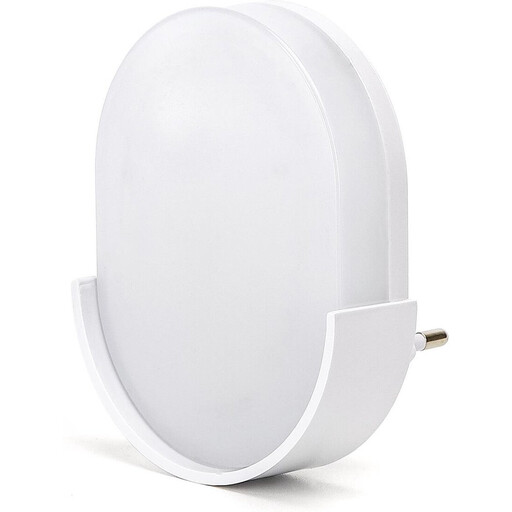
Why it suits this profile: The plug-in design works directly with 230 V and does not require a rechargeable battery or loose batteries. The light sensor is suitable for a hallway, bedroom or other indoor space where automatic activation is desirable.
There is no battery life or charging schedule to keep track of. Before buying, do check that 40 lm and the daylight colour are suitable for the room.
1 W power, 40 lm brightness, 120° beam angle and a stated lifespan of 25,000 hours.

Why it suits this profile: This rechargeable night light can be positioned flexibly in a nursery, bedroom or hallway. The combination of three colour temperatures and five dimming settings allows you to adjust the lighting to suit each situation.
The operating time and charging method are clearly stated. Bear in mind that it charges via USB and that the product should be kept away from moisture.
500mAh battery, up to 10 hours of use in sensor mode, 30 lm and motion detection at 3-5 metres.
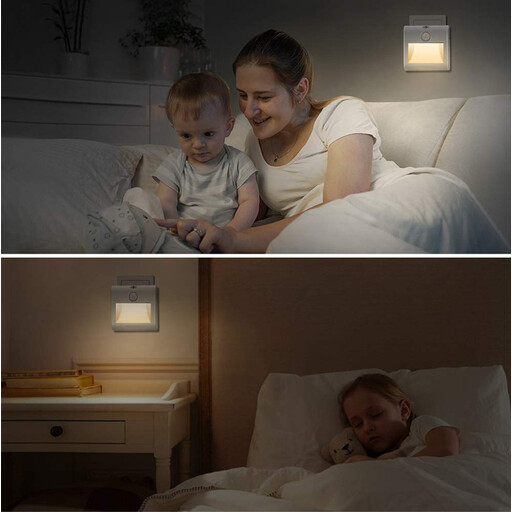
Why it suits this profile: The set is practical for several areas, such as a bedroom and toilet or hallway. You can choose between continuous light and automatic activation, and adjust the brightness smoothly using touch control.
The memory function saves your chosen brightness setting. When positioning the light, make sure the sensor has an unobstructed view, and unplug it before cleaning.
Two lights, 20 lm, 1 W, 100-240 V, detection at 3-5 metres and touch dimming with memory function.
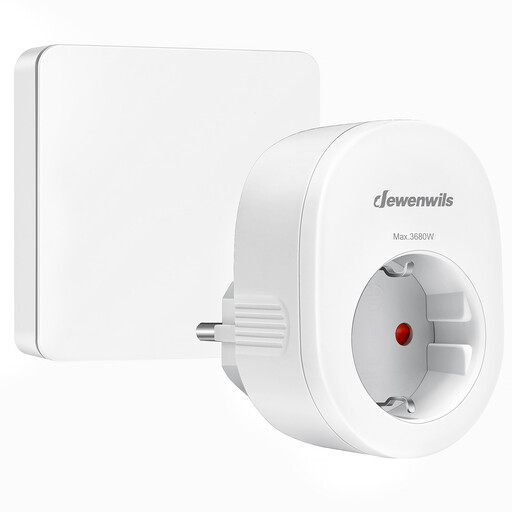
Why it suits this profile: This wireless plug with remote control is designed for lamps, hard-to-reach sockets and Christmas lights. The wall control can be detached and used as a portable remote control.
The stated RF range and maximum load are clearly specified. The range of up to 30 metres applies in open conditions according to the description; walls may affect performance.
RF control, stated range of up to 30 metres, manual control on the receiver and support for up to 3680 W.
Also look for the CE marking, safety information in Dutch, details of the manufacturer or EU responsible person, and the warranty terms. A CE marking is not a quality rating; it indicates that the responsible party declares that the product complies with the applicable EU requirements. Also check the returns policy and keep your purchase details.
We have put together a complete, up-to-date list of products that fully meet these strict selection criteria and the applicable European safety regulations.
An LED night light rated at 0.5 or 1 W has a low power consumption according to the product specifications. Actual usage depends on the number of hours it is switched on, the brightness setting and the model selected. A motion sensor can limit the number of hours the light is on, while a light in continuous mode stays switched on for longer.
Place the light where it has a clear view of the route, for example beside a bed, near the entrance to a hallway or on a low shelf. Take the sensor’s stated range into account, such as 3-5 metres. After positioning it, test whether the light only responds in the dark and is not unnecessarily activated by pets, heat sources or moving curtains.
It can be useful when there is no suitable socket beside the bed. However, you will need to charge the battery regularly and keep the device out of children’s reach while it is charging. For extended continuous use, a plug-in model may be more practical, provided that the positioning and socket are suitable.
