
Vandaag of morgen in huis

Kwaliteit gegarandeerd

Welkomstaanbiedingen ontgrendelen: GRATIS bezorging | Tot 80% korting | Gratis 30 dagen JoyPlus-proefperiode
Download de app
A night light may seem like a simple purchase, but there are big differences between models. Some run on batteries, while others are rechargeable. A model that works well beside your bed may not be the right choice for a kitchen cupboard or a child’s bedroom.
Look out for these three common pitfalls:
Below, we run through the key points and match different models to familiar uses.
An LED night light typically uses very little power, but its power source affects how convenient it is to use every day.
A higher capacity doesn’t automatically mean the light will last longer. Battery life also depends on brightness, colour setting and sensor use.
A dimmable night light is useful if you want more light during the day and a softer setting at night. A touch-sensitive night light is easy to operate, but check whether touching it changes the brightness or simply switches it on and off.
Colour temperature is measured in kelvin:
RGB lighting gives you more colour options, but check whether the product also has a fixed warm-white setting. That’s more practical for everyday use than colours that keep changing.
Measure the space beforehand. An LED wall light or cupboard light may fit, but could still get in the way when a door opens.
Also check:
Sensor-activated cupboard lighting works differently from an ambient light. A PIR sensor switches the light on when it detects movement within a certain range. This is handy in a dark kitchen or wardrobe, but less suitable if you need the light to stay on continuously.
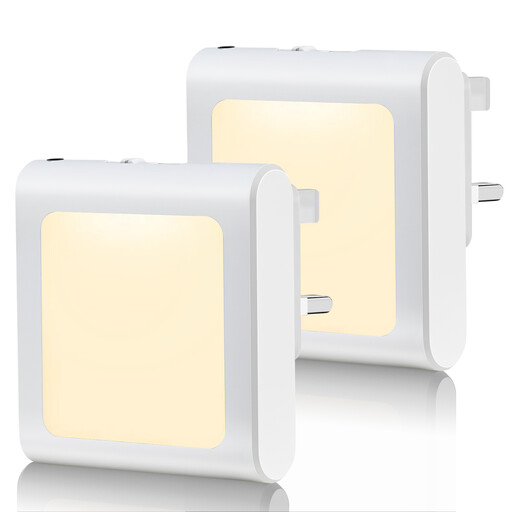
Why it suits this profile: This two-pack is an easy way to add compact lighting to two spaces, such as a bedroom and hallway.
The product information specifies a set of two lights and low energy consumption. Before buying, check the current product listing for the exact light output and power source.
ABS+PC casing, compact size and two lights per pack, according to the product description.
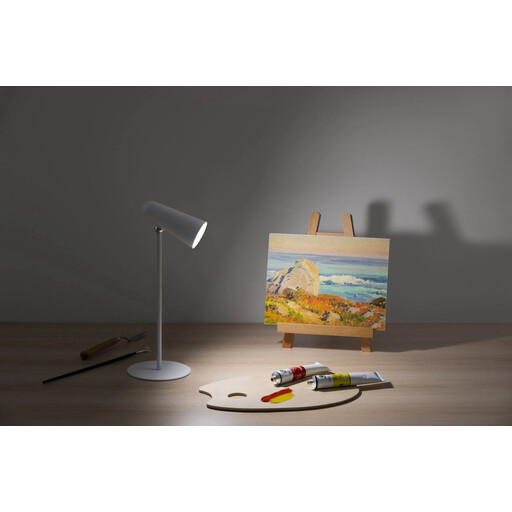
Why it suits this profile: Its flexible design and built-in battery make it a good choice if you want one portable light to use in different places.
The specifications list a power rating of 3.5 W, a 2000 mAh lithium-ion polymer battery and a maximum charging voltage of 5 V.
Rechargeable, with a flexible design and clear battery and charging details in the product information.

Why it suits this profile: For kitchen cupboards, wardrobes and dark passageways, this sensor-activated cupboard light switches on automatically.
The product information lists 61 LEDs, a PIR range of 3–5 metres, three colour temperatures and a 1100 mAh battery.
40 cm long, USB rechargeable, with three light colours and drill-free fitting, according to the product specifications.
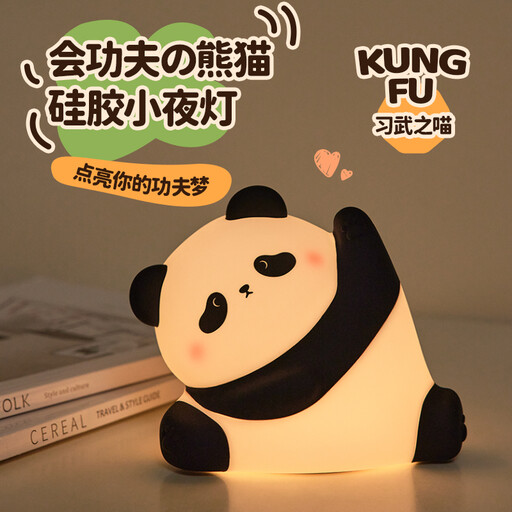
Why it suits this profile: Its soft panda shape and touch controls make it well suited to use beside the bed in a baby’s or child’s bedroom.
According to the product description, this model has three brightness levels, touch controls and a rechargeable 1200 mAh battery. Follow the stated warnings about supervision around young children.
Food-grade silicone according to the product information, three dimming settings and USB charging, with no fitting required.
We’ve put together a complete, up-to-date list of products that meet these strict selection criteria and the applicable European safety regulations.
It depends on how you use it. If you use it every day, a rechargeable model can be practical because you won’t need to replace disposable batteries. Check the charging time, battery capacity and expected run time. For a light you only use occasionally, standard batteries may be enough.
Place the light on a stable surface, out of your child’s reach, and away from blankets and sources of heat. Choose a low brightness setting if one is available. A baby night light with touch controls or a timer can be handy, but always check the manufacturer’s safety warnings. Don’t use a light near water unless its stated ingress protection rating allows it.
The LEDs themselves typically have a long life, but the battery, battery contacts and switch also affect how long the product remains usable. The battery capacity of a rechargeable night light decreases over time. Clean the light with a soft cloth, use the correct charger and don’t charge a built-in battery if the casing is damaged.
