
Vandaag of morgen in huis

Kwaliteit gegarandeerd

Welkomstaanbiedingen ontgrendelen: GRATIS bezorging | Tot 80% korting | Gratis 30 dagen JoyPlus-proefperiode
Download de app
A night light seems like a simple purchase. You're just looking for a little light in the dark. Yet, the search often leads to frustration. Lights that illuminate the entire bedroom, rechargeable models that die after just a few hours, or sensors that have a mind of their own. The result is wasted money and a lamp that ends up in a drawer.
Before you make a choice, it's wise to consider a few common pitfalls:
rechargeable night light or cordless table lamp sounds convenient, but many budget models have a weak battery. You'll be constantly recharging it, which negates the wireless advantage.night light with a sensor that's too sensitive will turn on with every movement outside the room. A sensor that isn't sensitive enough will leave you stumbling in the dark. The quality of the sensor is crucial.nursery night light, emit light that is too bright or too cool and blue. This can disrupt the production of the sleep hormone melatonin and actually worsen sleep instead of improving it.By paying attention to a few key specifications, you can avoid these problems and choose a lamp that truly does its job.
The specifications on the packaging tell you exactly whether a night light is right for your situation. These are the three most important points to check.
The choice of power source depends entirely on where and how you plan to use the lamp.
nursery during night feeds, or as a cordless table lamp in a spot without an outlet. Check the battery capacity (mAh) and the stated runtime. A capacity of 1200mAh or more is a good indicator of longer performance.The quality of the light is perhaps the most important aspect.
dimmable night light gives you the control to perfectly tailor the light intensity to the situation, so it's functional without being disruptive.kid's lamp.smart night light can be controlled via an app or voice assistant (like Alexa or Google Assistant). This allows you to set timers, adjust the colour and brightness, and integrate the lamp into your smart home routines.Automatic night lights typically work with one of these two types of sensors.
Based on these criteria, we have selected a few models that suit different user profiles.
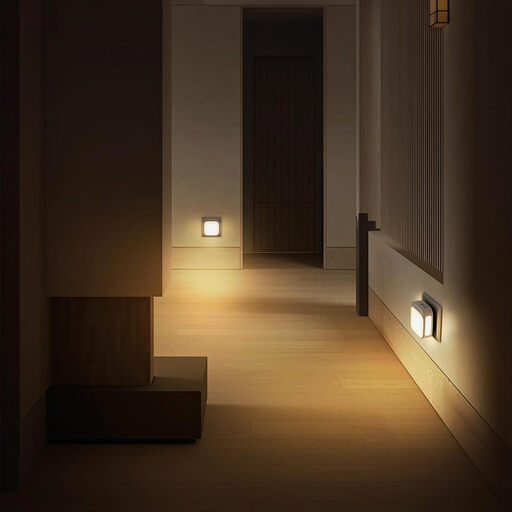
Why It's a Perfect Match: For those seeking a 'plug-in-and-forget' solution for the hallway, landing, or toilet. This set offers a practical and energy-efficient way to safely illuminate key walkways at home, hassle-free.
The built-in light sensor prevents the lamp from turning on unnecessarily during the day. With a power consumption of just 0.3W, it's extremely economical, helping you avoid the battery trap and high energy costs.
Automatic operation, continuously dimmable (10%-100%), and a comfortable warm white light (2800-3000K). No manual controls needed.

Why It's a Perfect Match: A safe and soothing `kid's lamp` for the nursery or a child's room. Its soft material and simple controls make it a comforting companion for children who are afraid of the dark.
The soft, dimmable light prevents the bright-light problem. A 30-minute timer ensures the lamp doesn't stay on all night unnecessarily. Made from BPA-free silicone, it has no hard or sharp edges.
Rechargeable (1200mAh battery) and portable. Simple tap controls for 3 brightness levels. Safe and squeezable material.
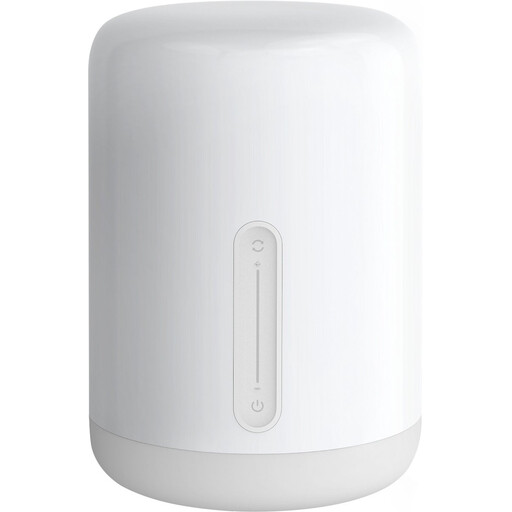
Why It's a Perfect Match: For those who want to combine ambience, design, and technology. This `smart night light` is more than just a light source; it's an integral part of a smart, stylish home, perfect for a nightstand or living room.
With full control over brightness and 16 million colours via the app, you're never stuck with light that's too bright or the wrong hue. You can set the perfect mood for any moment, from reading to sleeping.
Control via touch, app (Mi Home), and voice assistants (Alexa, Google Assistant). Provides 360° uniform illumination without harsh shadows.
We have compiled a complete, up-to-date list of products that meet these strict selection criteria and local safety regulations.
The power consumption of a modern LED night light is very low. Plug-in models often consume between 0.3W and 1W. Even if the lamp is on for 8 hours a night, 365 days a year, the annual energy costs are typically less than a few dollars. Rechargeable models only consume power while charging.
For sleeping areas, warm white light (with a colour temperature between 2700K and 3000K) is recommended. This type of light has a yellowish or orange glow that is less disruptive to the production of the sleep hormone melatonin than cool, bluish light (above 4000K). A soft, warm light helps create a calming atmosphere.
That depends on the application. A light sensor is useful for places where you want a baseline level of illumination throughout the night without having to think about it. A motion sensor is more efficient for areas where you only need light briefly as you pass by, such as a hallway or the toilet. This saves energy and ensures the light is only on when it's truly needed.
