
Vandaag of morgen in huis

Kwaliteit gegarandeerd

Welkomstaanbiedingen ontgrendelen: GRATIS bezorging | Tot 80% korting | Gratis 30 dagen JoyPlus-proefperiode
Download de app
A good night light provides comfort and a sense of security in the dark. However, the wrong choice can lead to frustration—a lamp that disrupts sleep, is awkward to use, or consumes unnecessary power. Many products seem practical at first glance but have hidden drawbacks. Before you make a purchase, it's wise to know what to look for.
We’ll outline the most common pitfalls and explain how to avoid them.
To make the right choice, focus on a few key specifications. These determine whether a night light will be truly functional for your situation.
The most important feature of a good night light is the quality of its light. A dimmable night light is essential. It allows you to adjust the brightness to the situation: soft and subtle for the bedroom, slightly brighter for the hallway.
Also, pay attention to the color temperature, expressed in Kelvin (K). A warm white color (between 2200K and 3000K) is perceived as calming and is less disruptive to the sleep cycle. Cool, white light (above 4000K) can have an activating effect. For a baby night light or child's night light, a warm, dimmable light source is the recommended choice.
The power source determines where and how you can use the light.
A night light with a sensor offers convenience and saves energy. There are two types of sensors, which are often combined:
Not everyone needs the same type of night light. Below are some popular choices, matched to specific user profiles.

Why This Fits Their Persona: This rechargeable night light is made from soft, BPA-free silicone, making it safe for children. It's portable and can be placed anywhere in a baby's or child's room without needing an outlet.
Its 3 dimmable brightness levels ensure the light is never too harsh and won't disrupt sleep. The 30-minute timer automatically switches the lamp off, saving energy and preventing it from staying on all night.
Child-safe silicone material and a convenient timer function. Simple tap-control operation.
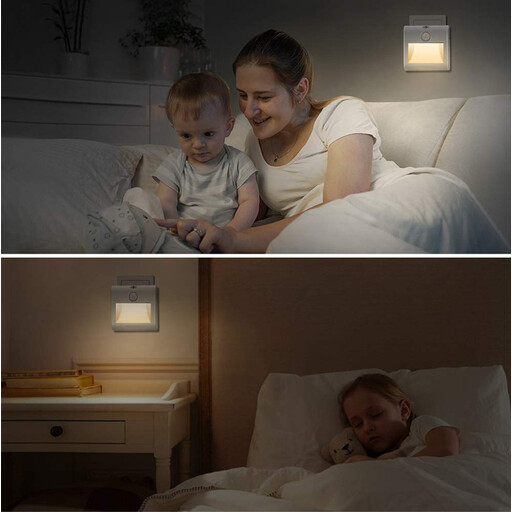
Why This Fits Their Persona: This set is a practical solution for illuminating hallways, stairs, or bathrooms. As a plug-in model, it's a set-it-and-forget-it solution. The combination of a motion sensor and dimming function offers both safety and comfort.
The motion sensor means you never have to fumble for a switch in the dark. Thanks to the stepless dimming function with memory, the light is never blinding, as it remembers the last brightness setting.
Combines a motion sensor with a dimmable, warm-white light source. The set of two offers excellent value.
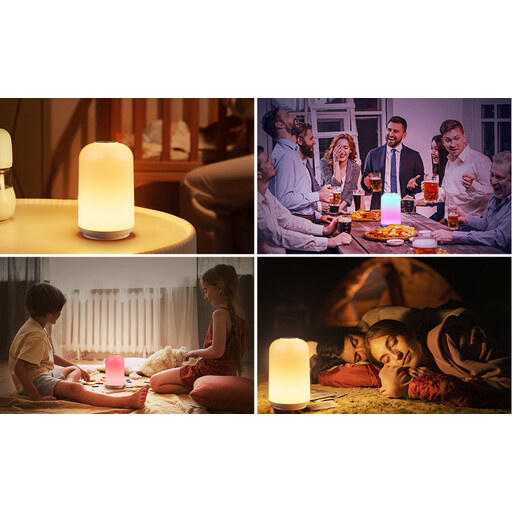
Why This Fits Their Persona: This model is a true all-rounder. As a rechargeable night light, it's completely wireless. In addition to dimmable warm-white light, it also offers 7 RGB colors to customize the ambiance. It's ideal for a nightstand, as mood lighting in the living room, or for a teenager's room.
The stepless dimming for warm-white light and the choice of various colors prevent the light from ever being too bright or unpleasant. Because it's rechargeable, you avoid battery costs and the limitations of a power outlet.
Dual light modes (warm white and 7 RGB colors) and wireless use thanks to the built-in battery.
We have curated a complete, up-to-date list of products that fully meet these strict selection criteria and safety standards.
A modern LED night light is extremely energy-efficient. Most models consume only 0.5 to 1 watt. Even if the lamp stays on all night, the annual electricity costs are negligible, often amounting to just a few dollars per year. Models with a sensor are even more economical because they only turn on when needed.
For spaces where people sleep, such as a bedroom or nursery, warm light (around 2700K) is the recommended choice. This type of light has a calming effect and is less disruptive to the production of the sleep hormone melatonin. For functional areas like a hallway or bathroom, neutral white light (around 4000K) can also suffice, as it provides a clearer view.
The ideal placement depends on its purpose. For safety on stairs or in a hallway, place the light at knee or hip height. This allows motion to be detected quickly and illuminates the floor without shining directly into your eyes. In a bedroom or bathroom, position it so that it isn't aimed directly at the bed to prevent it from turning on unintentionally from small movements during sleep.
