
Vandaag of morgen in huis

Kwaliteit gegarandeerd

Welkomstaanbiedingen ontgrendelen: GRATIS bezorging | Tot 80% korting | Gratis 30 dagen JoyPlus-proefperiode
Download de app
A night cream for your face can be a useful addition to your evening routine, but not every formula suits every skin type. A rich cream can feel comfortable on dry skin, while the same texture can feel heavy on normal or oilier skin. Terms like “restorative”, “detox” and “anti-ageing” also tell you very little about the actual formulation on their own.
With this guide, you can compare night care products based on verifiable product information. That way, you avoid paying mostly for the packaging or a big marketing promise.
Words like “repair”, “rejuvenation” and “detox” are often part of product positioning. According to the product description for Estée Lauder, NightWear Plus helps with hydration and the visible appearance of the skin, for example. That doesn’t automatically mean the cream reduces pores, lines or irritation in the same way for everyone.
So, look at what has been objectively recorded:
A nourishing face cream can be comfortable for dry skin, especially during the colder months. However, on normal or combination skin, a balm-like formula can feel sticky or heavy. So, don’t just look at “intensive nourishment”; also consider the texture: gel, light cream, rich cream or balm.
A night cream for sensitive skin is not automatically fragrance-free. Always check the current ingredients on the packaging. According to the product information, the NIVEA Soothing Night Cream is described as fragrance-free, while other products in this selection contain fragrance. If you experience redness, itching or a burning sensation, stop using the product and rinse it off.
For a hydrating night cream, ingredients like glycerine, hyaluronic acid and panthenol are relevant. Glycerine helps to attract moisture, while hyaluronic acid is used in cosmetic formulas to leave the skin feeling hydrated. A cream with shea butter, squalane, plant oils or ceramides can also leave a more nourishing layer behind.
For a night cream for dry skin, these points are particularly important:
If you are looking for a night cream for sensitive skin, it’s best to start with a fragrance-free formula. Also check the full ingredients list for fragrance substances like limonene, linalool, citronellol or geraniol. A dermatologically tested formula can provide extra product information, but it is no guarantee that every skin type will tolerate the product well.
A night cream of 50 ml is a standard size for daily use. A smaller pot of 40 ml can be practical if you want to try a formula first. Apply the cream in the evening to a cleansed face and, depending on the usage instructions, to the neck and décolletage.
Do you also use a serum? Then check whether the manufacturer recommends applying the cream afterwards. For the Estée Lauder NightWear Plus, the product description, for example, mentions use after a repair serum.
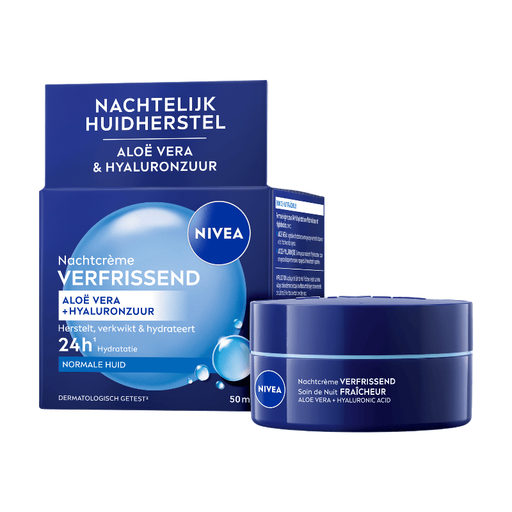
Why this fits the profile: The light formula is designed for daily hydration and, according to the product description, is quickly absorbed. This makes the cream suitable as a simple face cream for night-time use.
The product information states a clear size of 50 ml, a light texture and specific ingredients like aloe vera and hyaluronic acid, rather than just general care claims.
50 ml, light formula, glycerine, panthenol and sodium hyaluronate; according to the product description, dermatologically tested.
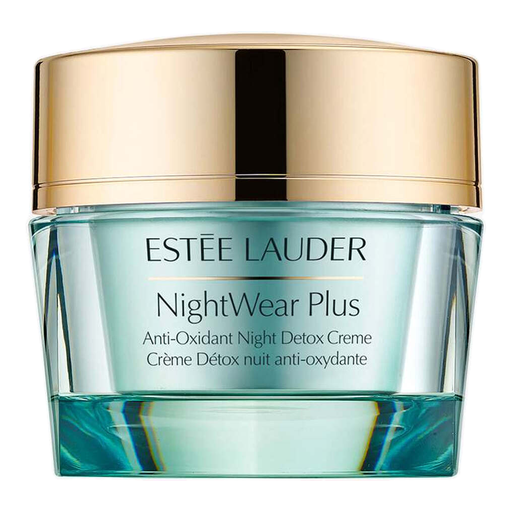
Why this fits the profile: According to the product description, this night cream for the face is suitable for all skin types and combines a light texture with long-lasting hydration.
The product details mention 50 ml, a non-acnegenic formula and dermatological tests. However, do check the current packaging and ingredients if you are sensitive to fragrance.
50 ml, light cream, suitable for all skin types according to the product description and designed for hydration during the night.
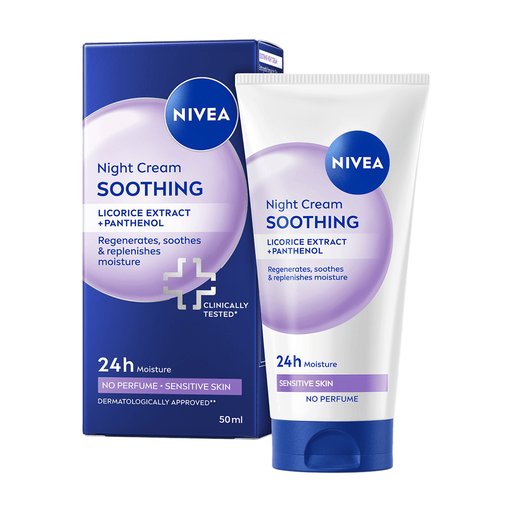
Why this fits the profile: If you are specifically looking for a night cream for sensitive skin, you get a fragrance-free formula with panthenol, shea butter and liquorice extract, according to the product information.
The absence of fragrance is clearly stated. This makes comparison easier, although it is still wise to check the full ingredients list.
50 ml, fragrance-free according to the product description, with panthenol and shea butter; designed for sensitive skin.
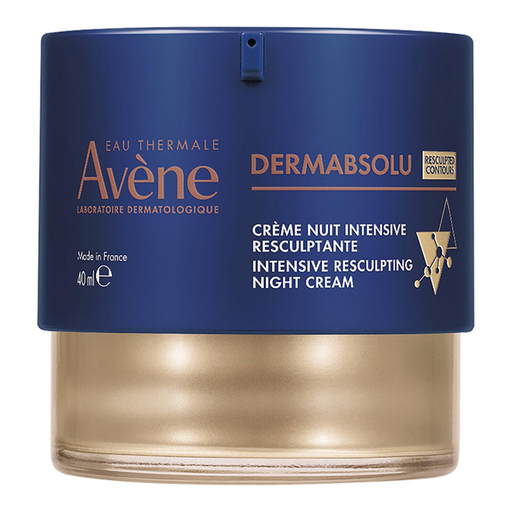
Why this fits the profile: According to the product details, this rich anti-ageing night cream is aimed at mature skin and intended for use on the face, neck and décolletage.
The product information states the size of 40 ml, the target audience of 50+ and the active ingredients bakuchiol, pro-ceramides and niacinamide. This makes it clearer what the formula is intended for.
Rich cream, 40 ml, according to the product details vegan and dermatologically tested; suitable for face, neck and décolletage.
We have compiled a full, up-to-date list of products that fully meet these strict selection criteria and comply with current European safety regulations.
A nourishing face cream doesn’t need to be applied in a thick layer. Too much product mainly increases the chance of a sticky feeling and waste. Also, store the pot or tube at room temperature, away from direct sunlight, and follow the expiry information on the packaging.
Not every formula. A light cream often suits normal or combination skin better, while a rich night cream or night balm can offer more comfort for dry skin. For sensitive skin, a fragrance-free option is often a logical starting point, but always check the ingredients list.
The shelf life varies from product to product. Look at the expiry date or the symbol for the period after opening on the packaging. If the smell, colour or texture changes, do not use the product any further. Close a pot or tube tightly after use.
The price depends on the brand, size, packaging and formula. So, don’t just compare the price of a pot; also compare the price per millilitre and the ingredients that are relevant for your skin type. A night cream of 50 ml can be more economical for daily use, while 40 ml can be suitable for trying out a richer formula first.
