
Vandaag of morgen in huis

Kwaliteit gegarandeerd

Welkomstaanbiedingen ontgrendelen: GRATIS bezorging | Tot 80% korting | Gratis 30 dagen JoyPlus-proefperiode
Download de app
A night cream for your face can help reduce a tight, dry or uncomfortable feeling. Yet the choice isn’t straightforward. Jars may look alike, but texture, ingredients and usage advice can vary significantly. An expensive cream isn’t automatically right for your skin, and a product packed with active ingredients isn’t always suitable for daily use.
Words like “restorative”, “lifting” and “anti-ageing” sound appealing, but they don’t always tell you what you can realistically expect. A cream can hydrate the skin and make it feel temporarily smoother. That’s different from proven wrinkle reduction.
So check the product category, ingredients list, volume and instructions for use. Claims about effectiveness should be seen as information from the brand. According to the product description from some brands, certain formulas are developed for fine lines or sagging skin; this is no guarantee for every skin type or every user.
A nourishing night cream for dry skin can be pleasant when you have a tight feeling, but it may feel heavy on oily or combination skin. Alongside your skin’s needs, pay attention to the texture: gel cream, light cream, rich balm or a formula with lots of oils.
If you’re prone to clogged pores, look for non-comedogenic products. That label isn’t a guarantee that everyone will tolerate the product without issues, but it does give a useful selection indicator.
Retinol, acids, niacinamide, peptides and exfoliating ingredients can each play a different role. If you use several active products at once, your skin may feel dry or sensitive. A retinol cream, such as The Retinol 0.1 Cream, therefore requires a gentle build-up according to the product instructions. During the day, sun protection is important with products that can increase sensitivity to sunlight.
A hydrating night cream often contains humectants such as glycerine or hyaluronic acid, while ceramides and oils are more common in formulas for the skin barrier. Niacinamide can be used in various products for hydration and a more even-looking complexion.
Always read the full ingredients list on the packaging. The composition can change, and online product information isn’t always complete. If you have a known allergy, the packaging is the definitive source.
Don’t just compare the price of a jar, but also the volume: 40, 50, 75 or 100 ml makes a difference in how long it lasts. A pump bottle may limit contact with the product; with a jar, a spatula is handy. Also check the shelf life after opening, for example 6M, 12M or 24M, and follow the safety instructions.
Apply a face cream for night-time to a cleansed skin. Usually use a small amount for the face and possibly the neck. Avoid the eye area if that’s stated on the packaging. Only combine a night cream with a serum if both products work well together.
The selection below is based on the available product descriptions, volume, stated skin types and usage advice.
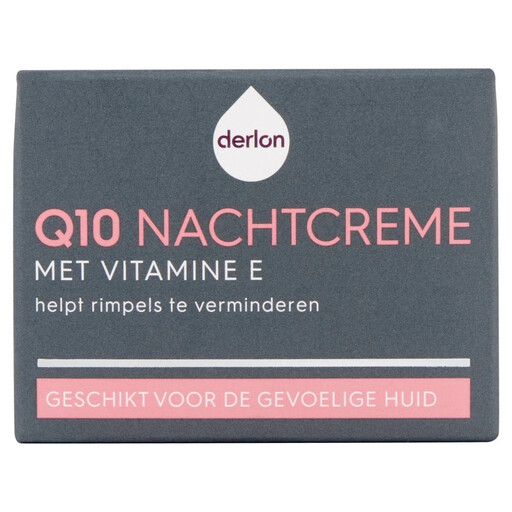
Why this fits the profile: This night cream for the face has a simple usage routine and, according to the product information, is intended for combination skin. The formula includes shea butter, vitamin E, glycerine and sodium hyaluronate.
The product information names specific ingredients and a clear application, rather than just general anti-ageing language.
50 ml volume; described as hydrating and suitable for combination skin.
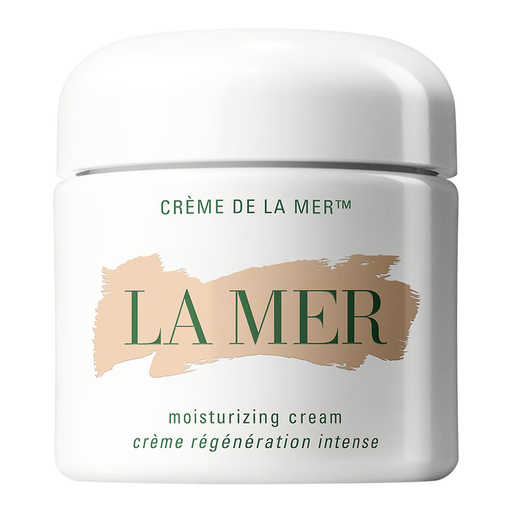
Why this fits the profile: The product description positions this rich cream for dry skin. The 100 ml volume suits those looking for a generous amount and who enjoy an intensive texture.
The description clearly states that the cream is rich and intended for dry skin. This makes the choice less dependent on vague claims.
100 ml; according to the product information, suitable for dry skin and intended for hydrating, nourishing care.
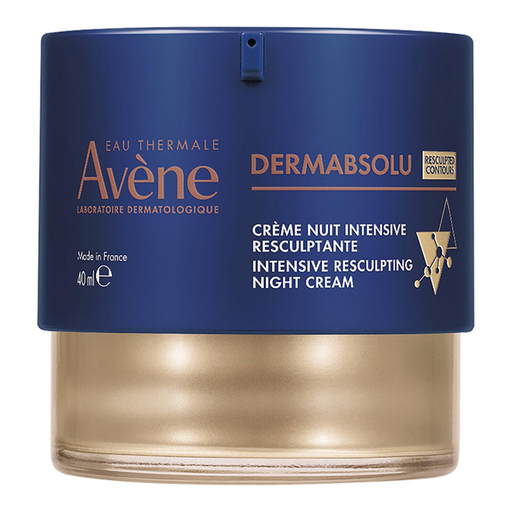
Why this fits the profile: This rich night cream is, according to the product description, developed for mature skin and can be used on the face, neck and décolletage. The formula lists bakuchiol, pro-ceramides and niacinamide.
The product information names the skin type, area of use and active ingredients separately. This allows you to check whether the formula fits your routine.
40 ml; indicated for mature skin; according to the instructions, can also be used as a short-term mask.
We’ve put together a full, up-to-date list of products that fully meet these strict selection criteria and comply with current European safety regulations.
Cleanse your face and then apply a serum if desired. Spread a small amount of night cream over your face and neck. Always follow the product instructions and avoid the eye area if that is indicated. If you have sensitive skin, it’s wise to use a new product sparingly at first.
The shelf life is stated on the packaging. Look for the symbol for use after opening, such as 6M, 12M or 24M. Store the cream in a cool, dry place away from direct sunlight. Has the smell, colour or texture changed? Then stop using the product.
Not always. An anti-ageing night cream can be rich or contain active ingredients that don’t feel pleasant on oily or sensitive skin. So first look at your skin type, fragrance, acids, retinol and the recommended frequency of use. A hydrating night cream without many active ingredients can be a more logical starting point for daily use.
