
Vandaag of morgen in huis

Kwaliteit gegarandeerd

Welkomstaanbiedingen ontgrendelen: GRATIS bezorging | Tot 80% korting | Gratis 30 dagen JoyPlus-proefperiode
Download de app
A niacinamide serum can be a practical addition to a simple skincare routine. The ingredient appears in formulas for blemish-prone skin, a dull complexion, visible pores and a weakened skin barrier. Yet every serum is different. A high concentration or a long ingredients list alone doesn't tell you much about how well a product will suit your skin.
The following pitfalls are common:
Check not only the niacinamide percentage, but also the rest of the formula. A serum with 2% niacinamide can be suitable as a light daily treatment. A formula with 10% or 15% is more targeted, but requires careful use on sensitive skin.
Also look at supporting ingredients:
Please note: claims about visible results are product claims from the brand. Results may be described based on the brand's own research or a test cited by the brand, but they are not automatically the same for every user.
For a serum for sensitive skin, a short ingredients list, a mild texture and gradual build-up are often practical points to consider. Also check whether fragrance, alcohol denat. or plant extracts are in the formula if you have reacted to them before.
A serum for blemish-prone skin sometimes contains niacinamide combined with zinc PCA or other active ingredients. Dry skin, on the other hand, benefits from a face serum with humectants, followed by a moisturiser.
When trying a new product, start with a small amount. Use it every other day or a few times a week, depending on the product instructions. Stop if you experience persistent redness, itching, swelling or a burning sensation, and if in doubt, seek advice from a doctor or dermatologist.
Don't automatically use multiple potent products in one routine. A vitamin C serum, tranexamic acid serum, AHA exfoliant or another active product is better applied at a different time. The Ordinary, for example, states that their niacinamide formula should be used alternately with certain vitamin C formulas.
A simple routine looks like this:

Why this fits the profile: A straightforward formula with 10% niacinamide and 1% zinc PCA, packaged in 30 ml. This makes it an accessible choice for anyone trying a targeted face serum for the first time.
The ingredients list is relatively short. This means you can clearly see which active ingredients you are adding and can build up use in a controlled way.
10% niacinamide, 1% zinc PCA, 30 ml content and a unisex formula suitable for oily, combination or blemish-prone skin, among others.
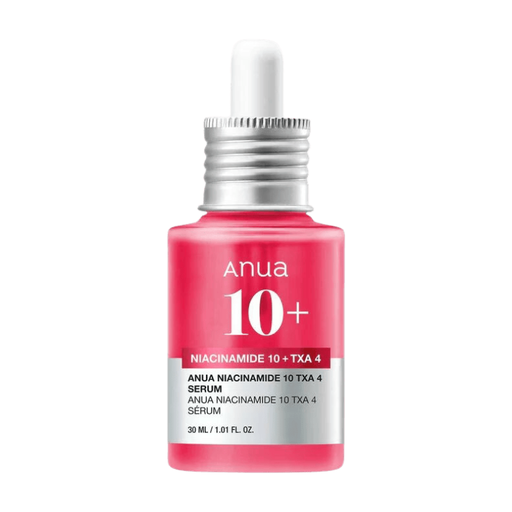
Why this fits the profile: This Korean skincare serum combines 10% niacinamide with 4% tranexamic acid and is designed for users who particularly want to target uneven skin tone and visible blemishes.
The combination of active ingredients is clearly stated. According to the product specifications, the formula is alcohol-free, oil-free and fragrance-free.
30 ml, hyaluronic acid and panthenol alongside niacinamide and tranexamic acid; the product information also mentions a pump bottle.
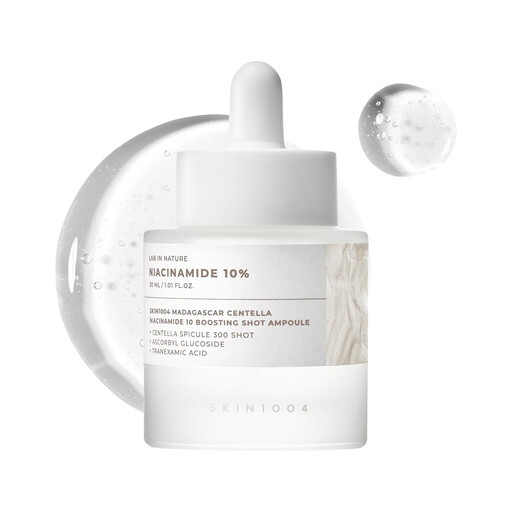
Why this fits the profile: The ampoule contains 10% niacinamide, tranexamic acid, a vitamin C derivative and centella. The spicule structure makes a gradual introduction necessary.
The usage instructions advise doing a patch test first and starting with 2 to 3 applications per week. This prevents you from applying it too often straight away.
Contains centella, panthenol, polyglutamic acid and tranexamic acid; available in a 30 ml version.
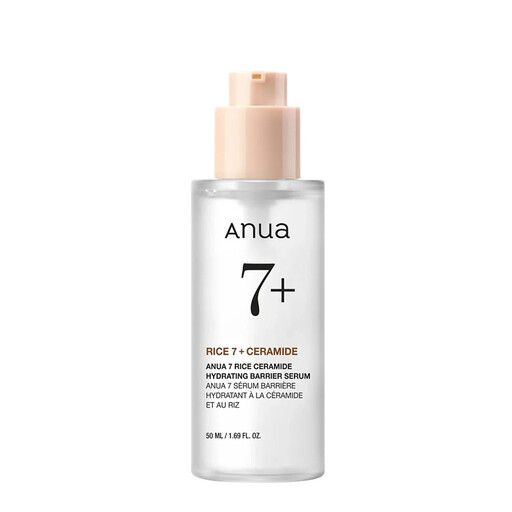
Why this fits the profile: This formula combines niacinamide with glycerin, sodium hyaluronate, ceramide NP, panthenol and rice extract. It suits those who want hydration alongside evening out their skin tone.
The product doesn't focus solely on one active ingredient, but also contains multiple humectants and barrier-supporting ingredients.
50 ml content, ceramide NP, panthenol, hyaluronic acid and niacinamide in one hydrating serum.
We've put together a full, up-to-date list of products that fully meet these strict selection criteria and comply with current European safety regulations.
That depends on the concentration, the rest of the formula and your skin's reaction. Some products are intended for daily use in the morning and evening. With a stronger formula or sensitive skin, it's wiser to start with a few applications per week. Always follow the instructions on the packaging.
Niacinamide can appear in a serum for sensitive skin, but the overall formula determines its suitability. Check for fragrance, alcohol, acids and other active ingredients. When trying a new product, do a patch test first and don't combine multiple intensive serums straight away.
A 30 ml bottle usually lasts longer with daily use than if you apply it generously over your face, neck and other areas. Typically use just a few drops, close the packaging properly and store the serum according to the instructions. Check the expiry date and the period after opening on the packaging.
