
Vandaag of morgen in huis

Kwaliteit gegarandeerd

Welkomstaanbiedingen ontgrendelen: GRATIS bezorging | Tot 80% korting | Gratis 30 dagen JoyPlus-proefperiode
Download de app
A niacinamide face cream might seem straightforward to choose at first glance. Yet products vary significantly in texture, concentration, fragrance, SPF and additional ingredients. A hydrating face cream for dry skin, for example, requires a different formulation to a light gel cream for oily or combination skin.
As a Joybuy Product Recommendation Officer, I focus on verifiable information: the ingredients list, volume, usage instructions and skin type suitability. This way, you avoid relying solely on a flashy marketing claim.
A product with a stated percentage of niacinamide sounds appealing, but its effectiveness and tolerance also depend on the rest of the formula. So look at the full INCI ingredients list. If niacinamide appears relatively high up, it's likely a key component of the formula. That doesn't automatically mean the product is suitable for your skin.
Also pay attention to additional ingredients such as glycerine, panthenol, ceramides, hyaluronic acid, vitamin C or exfoliating acids. These help determine how a cream feels and what you should avoid combining it with.
A cream without SPF does not replace a sun protection product. Choose a day cream with SPF if you're looking for a product with UV protection, and check that UVA and UVB protection is clearly stated on the packaging. An SPF factor mainly provides information about UVB protection; follow the instructions on the label for application and reapplication.
An SPF product can also have a different texture to a night cream. For oily skin, a fluid may be more comfortable, while drier skin might prefer a richer cream.
A face cream for all skin types can appeal to a broad audience, but fragrance, alcohol, essential oils and exfoliating ingredients may feel less pleasant for some users. If you have sensitive skin, check whether the product is fragrance-free and first test a small amount on a limited area of skin.
If you experience redness, itching, swelling or a burning sensation, stop using it. Avoid applying to broken or damaged skin and always follow the manufacturer's safety information.
Niacinamide is often combined with claims about a more even appearance, sebum, dryness or visible pores. However, a cream for blemishes or an evening face cream is not a treatment for a medical skin condition. Brand descriptions about visible improvements are product claims from the manufacturer, not guaranteed outcomes.
The same applies to pigmentation spots. A cream for pigmentation spots may contain ingredients such as niacinamide, vitamin C, tranexamic acid or AHAs. According to the brand's product description, these are intended to make the complexion appear more even. During the day, also use appropriate UV protection, as sunlight can affect the visibility of discolouration.
A 50 ml pot and a 75 ml tube aren't directly comparable based on price alone. You might want to calculate the price per 10 ml. Also consider the packaging: a refill can be interesting if you want to reuse the same container, while a tube can be practical for hygienic dispensing.
If you're using an active formula with vitamin C, AHAs or tea tree, be extra cautious if your skin reacts quickly. The product information from SOME BY MI, for example, states that the formula contains vitamin C, citrus ingredients and essential oils, and advises a patch test for sensitive skin.
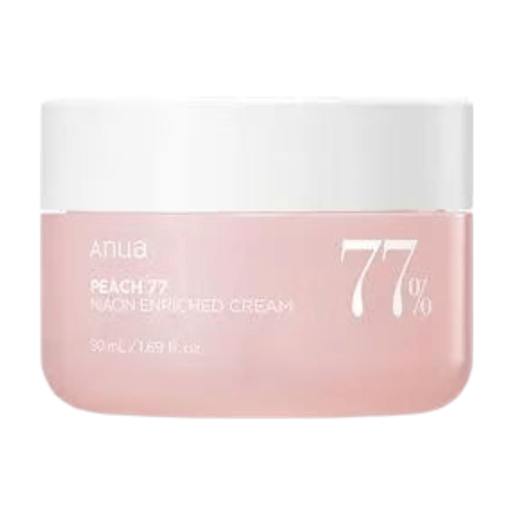
Why this fits the profile: A daily cream with glycerine, panthenol, sodium hyaluronate and ceramide NP. The product information states it can be used in the morning and evening.
The ingredients list makes it clear which hydrating and nourishing components are present alongside niacinamide. The formula does contain fragrance, which is important to check in advance.
50 ml volume; contains glycerine, panthenol, hyaluronic acid and ceramide NP.
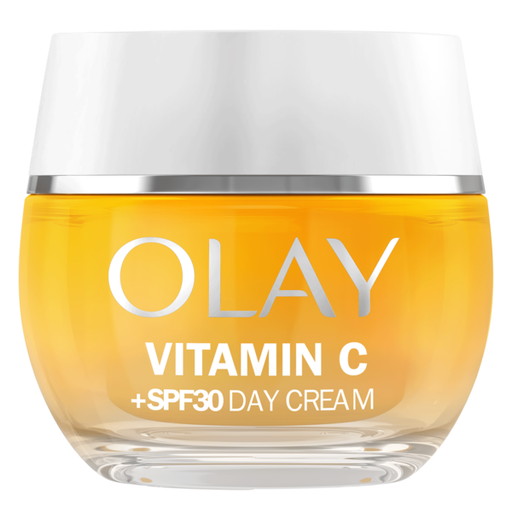
Why this fits the profile: A day cream with SPF 30, niacinamide, vitamin C and glycerine for consumers who want hydration and a more even-looking complexion in one morning product.
The SPF factor is clearly stated, so you don't accidentally use a regular cream as sun protection. The formula contains fragrance and citrus allergens; check this if you have sensitive skin.
SPF 30; 50 ml; light formula according to the product description.
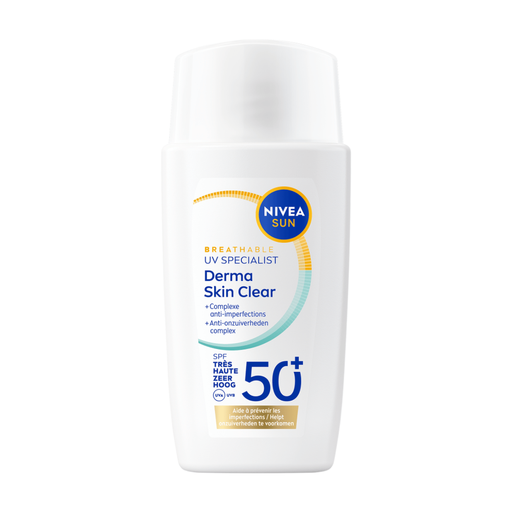
Why this fits the profile: Designed for daily use by people with normal, oily or blemish-prone skin who are looking for a light sun fluid with niacinamide.
It is clearly a sun protection product with SPF 50+, UVA/UVB reference and a fluid texture. According to the NIVEA product description, the formula helps absorb excess sebum; this is a brand claim, not a guarantee against blemishes.
SPF 50+; 40 ml; ultra-light formula with niacinamide according to the product information.
We've put together a full, up-to-date list of products that fully meet these strict selection criteria and comply with current European safety regulations.
Many products are designed for daily use, often in the morning and evening. If you have sensitive skin, you could start with once a day and follow the usage instructions on the packaging. Don't introduce several new active products at the same time, so you can better assess how your skin reacts.
That depends on the formula and the individual. Niacinamide itself isn't the only thing to watch out for: fragrance, alcohol, citrus oils and acids can also play a role. If you have sensitive skin, choose a simple cream, do a patch test first and stop if irritation occurs.
Check the expiry date and the period-after-opening information on the packaging. Store the cream in a cool, dry place away from direct sunlight and according to the manufacturer's instructions. If the smell, colour or texture changes noticeably, do not use the product any longer.
