Choose a layout that feels comfortable, then test it with your own input source and indexing software to check that you can type the languages, accents and punctuation you need. A compact keyboard may suit a job involving lots of mouse work, a numeric keypad can help if you regularly enter figures, and a split model may be worth trying if you want a different hand position. None of these designs replaces checking the software layout and the physical keyboard.
Who might find this choice relevant?
Indexer of multilingual names
You transcribe names with different accents and want the physical keyboard layout, selected input source and indexing app to work together. Microsoft Support and Apple Support explain how to set up input layouts or sources.
Frequent scanner and mouse user
You often switch between newspaper images, input fields and corrections. The distance to your mouse and your chosen keyboard layout are therefore worth considering. Arboportaal also explains the requirements for employees who work with screens.
Indexer of dates and numbers
You regularly enter dates, page numbers or reference numbers, and need to decide whether an integrated numeric keypad is worth the extra width. Models from brands including CHERRY and Logitech show how layouts can vary between versions.
What should you look for when choosing?
Compact, straight keyboard
A good fit if: you use the mouse often and rarely enter long strings of numbers.
Trade-off: there is no separate numeric keypad, so check how the version you choose enters numbers.
Straight keyboard with numeric keypad
A good fit if: you regularly transcribe dates, page numbers or other strings of figures.
Trade-off: a wider keyboard may place the mouse further from the letter keys.
Split keyboard
A good fit if: you want to try a curved design or a different hand position.
Trade-off: designs vary. Compare a fixed, curved key layout with two independently positionable halves, and don’t base your choice on promised health benefits.
Microsoft Support and Apple Support explain how to set up input layouts or sources. Test the characters you need in the application you use for indexing, too. The points below break down your choice into characters, posture, numbers, repetitive tasks and connectivity.
| What to consider |
What to look for |
Especially relevant to |
| Languages and special characters |
Compare the physical keys with your selected input source, then test names, accents and punctuation in your indexing app. |
If I work with names containing different accents, I want the keyboard, input source and application to produce the right characters together. Around 31% of consumers rank multilingual characters as their top purchasing priority. |
| Mouse space and hand position |
Compare the keyboard’s width with the space available for your mouse, and try out your preferred setup if possible. |
If I often switch between scans and input fields, I want to keep the mouse close and choose a hand position that works for me. Around 25% of consumers prioritise mouse space and hand position. |
| Dates and numbers |
Decide whether a separate numeric keypad suits the amount of number entry you do and the space available on your desk. |
If you enter lots of dates or page numbers, you’ll want to key in figures quickly without taking up more desk space than necessary. This is the top priority for around 19% of consumers. |
| Repetitive tasks |
Check which keyboard shortcuts your indexing software supports and whether any keyboard software is compatible with your system. |
If I perform the same action repeatedly, I want to know whether my software supports custom shortcuts. Around 13% of consumers put repetitive tasks first. |
| Connectivity and devices |
Check the available USB ports, Bluetooth support and whether you switch between multiple computers. |
At a fixed workstation, I want a suitable connection; if I use several computers, being able to switch easily matters too. For around 12% of consumers, connectivity or switching devices is the most important consideration. |
Which buying mistakes can you avoid?
-
Assuming QWERTY guarantees all the characters you need
The physical keys and the selected software layout are not the same thing. A product name alone won’t tell you whether the characters you need will appear in your indexing software.
Check the physical version and test a short list of names, accents and punctuation in the application you plan to use. Microsoft Support and Apple Support explain how to set up input layouts and sources.
Incorrectly entered names and characters take extra time to put right.
-
Choosing a numeric keypad without considering the distance to your mouse
A keyboard with a numeric keypad is wider. If you often switch between images and input fields, this may leave the mouse further from the letter keys. A compact model usually has no separate numeric keypad.
Consider how often you enter strings of numbers compared with how often you use the mouse, and check how the compact version you choose enters numbers.
-
Assuming an ergonomic design will prevent discomfort
A curved or split design describes the shape of a keyboard, but it can’t guarantee a particular result for you. Manufacturers describe different designs, but their claims don’t guarantee that a model will prevent discomfort.
Compare the specific hand position and the space available at your workstation. Arboportaal sets out a requirement for screen and keyboard positioning for employees who work with screens for more than two hours a day.
Which brands are worth comparing?
BakkerElkhuizen
The UltraBoard 950 Wireless and UltraBoard 950 V2 are compact models for anyone who wants to make the most of their mouse space.
- The manufacturer lists an integrated numeric function on both models. The Wireless version has Bluetooth, while the V2 comes with a USB-C cable and USB-A adapter.
- An integrated function is not the same as a separate numeric keypad. Check the physical language version; the ergonomic benefits described are not guaranteed personal outcomes.
CHERRY
The KC 6000 SLIM is a wired, full-size model for anyone looking for a straight keyboard with a numeric keypad and USB-A connection.
- CHERRY specifies scissor-switch keys and a full-size layout for this model.
- The model page mentioned lists Windows and USB-A. Check the country-specific version, and don’t assume every version has the same key legends.
Logitech
The K120, MX Keys S and ERGO K860 offer different options: a wired model with a numeric keypad, programmable keys, and a curved split layout.
- Logitech describes the K120 as wired and ready to use via USB; the other features depend on the specific model.
- Check the layout and software support for each version. The programmable features of the MX Keys S and the ergonomic claims for the ERGO K860 are not features of every Logitech model, nor do they guarantee a particular outcome.
R-Go Tools
The Split Break is designed with two independently positionable halves, while the Compact Break is made for a more compact, straight setup.
- R-Go Tools describes a break indicator controlled by R-Go Break software.
- Check that the key layout and software support meet your needs. The posture benefits described are not guaranteed for every user.
Keyboards for this type of work
This Joybuy selection includes keyboards for text entry in a range of sizes, with different numeric functions and physical layouts. Check which version works with your input source and indexing software.
 No image available
Wired keyboard with numeric keypad, QWERTY, black
Suitable for a fixed workstation where you regularly enter figures and want a wired connection.
The product description lists a full-size keyboard with numeric keypad, QWERTY layout and plug-and-play wired connection.
The layout described is standard QWERTY; test that the characters you need work with your input source and application.
View at Joybuy
 No image available
Ajazz AK820 Pro 75% mechanical keyboard, tri-mode, US QWERTY
Suitable for a compact workstation if you want a US QWERTY layout and the option of a wired or wireless connection.
The product description lists 82 keys, arrow and function keys, and three connection modes: wired, Bluetooth and 2.4G.
The product details list Windows and macOS; check that the layout suits the characters you index.
View at Joybuy
 No image available
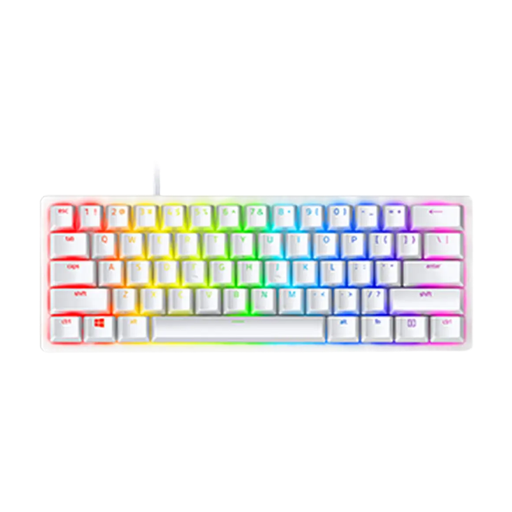
Razer Huntsman Mini, Linear Optical Switch, US, Mercury
Suitable for a small workstation where a compact US International version is preferred.
The product details list a wired keyboard with a compact 60% layout and detachable USB-C cable.
Check that the physical US International layout matches your input source and the characters you need in your indexing app.
View at Joybuy
 No image available
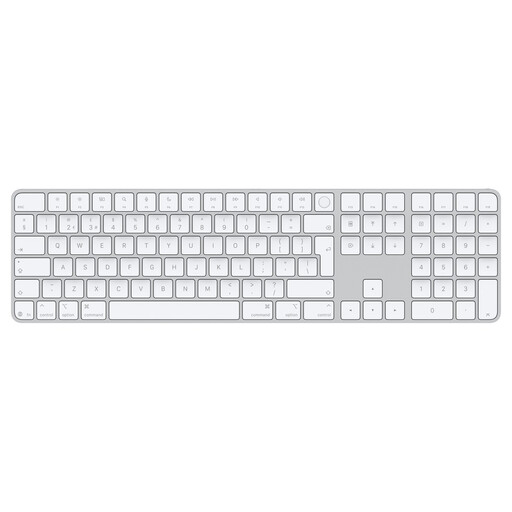
Apple Magic Keyboard with Touch ID and numeric keypad, Dutch, white keys
Suitable for number entry and document work on a Mac if you want a Dutch version with a numeric keypad.
The product details list a QWERTY/EU layout, document navigation and arrow keys, Bluetooth, and USB-C for charging and pairing.
According to the product title, this version is designed for Mac models with Apple silicon.
View at Joybuy
 No image available
MageGee TS91 60% wired keyboard, US QWERTY
Suitable for a compact workstation where mouse space matters more than a separate numeric keypad.
The product details list a wired 60% layout with US QWERTY.
According to the description, this model has no numeric keypad; bear that in mind if you enter lots of figures.
View at Joybuy
Frequently asked questions
Do I need a special physical keyboard to type accents in historical names?
Not necessarily. Windows lets you add and switch between input layouts; macOS offers input sources, an accent menu and key combinations. Test characters from your collection in your indexing app, as Apple Support notes that the accent menu isn’t available in every app.
When is a separate numeric keypad useful?
A numeric keypad can be useful if you often enter dates or other strings of figures. If you use the mouse more often than you type numbers, compare a compact model too and check how its numeric function works.
Which connection should I check?
Check that the connection works with your computer and the version you’ve chosen. The specifications for the CHERRY KC 6000 SLIM list USB-A; those for the BakkerElkhuizen UltraBoard 950 V2 list USB-C with a USB-A adapter included. For a wireless model, check the pairing method and power supply for the exact version.
What can I do in the Netherlands if my keyboard is faulty?
When you buy as a consumer, you’re entitled to a product that meets the terms of the agreement. According to the Dutch government, the seller must provide a solution if a product is faulty; the Netherlands has no fixed statutory two-year guarantee period. Online consumer purchases usually also come with a 14-day cooling-off period after delivery, subject to legal exceptions.
Are there specific rules if I do this work as an employee?
That depends on your working arrangements. Arboportaal states that employers must ensure screen work is regularly alternated with other work or a break. For employees who work with screens for more than two hours a day, the screen and keyboard must not be attached to each other. This applies to that type of working arrangement and is not a product specification for every private buyer.


