What should you look for when choosing?
Start with the ingredient your guest needs to avoid, then check the snack’s exact ingredients and warnings.
| What to consider |
What should you check? |
Who is this important for? |
| Avoiding peanuts and nuts |
Check the individual types of nuts, whether peanuts are an ingredient, and any warnings about possible presence. |
If a guest has a specific peanut or nut allergy, compare the ingredients and warnings with their list of things to avoid. Around 36% of consumers make avoiding peanuts or nuts their top purchasing priority. |
| Avoiding gluten |
Look for a gluten-free statement on the exact variant, and check the ingredients and warnings too. |
If you need to avoid gluten but can eat the nuts in the product, check the information for that specific snack. Around 29% of consumers make avoiding gluten their top priority. |
| Avoiding milk or lactose |
Establish whether milk ingredients, lactose or both need to be avoided, then check the relevant product information. |
If a guest needs to avoid milk or lactose, it’s important to assess that requirement separately. Around 21% of consumers make avoiding milk or lactose their top purchasing priority. |
| Shopping and storage |
Read the label again, keep the original packaging with the snack and follow the storage instructions for that variant. |
If you’re shopping for several guests, you’ll want to keep the information with the correct packaging so you can refer to it again. Around 14% of consumers prioritise being able to check their purchases and storage. |
Joybuy products for a gluten-free party snack
This selection of Joybuy products focuses on a ready-to-eat snack with an explicit gluten-free statement.
 No image available
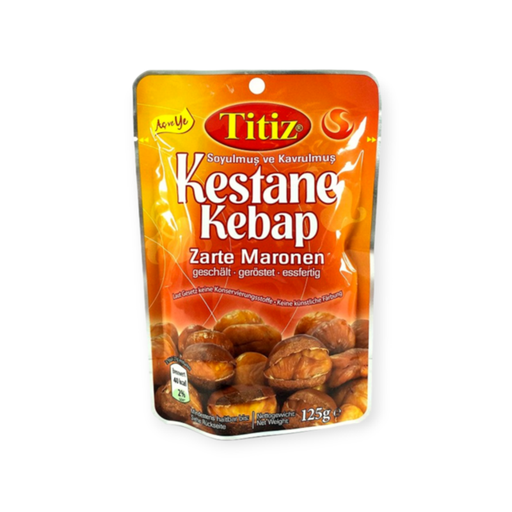
Titiz Roasted Chestnuts, 125 g
A ready-to-eat option if you’re looking for a chestnut snack and can eat chestnuts.
The product description states that it contains 100% chestnuts and is gluten-free and vegan. It also says the chestnuts are peeled, roasted and ready to eat.
Contains chestnuts and is not suitable for anyone who needs to avoid them. A gluten-free statement does not confirm that the product is suitable for someone with a peanut or other nut allergy; check the current packaging.
View at Joybuy
Frequently asked questions
Are peanuts the same as nuts when checking my allergy?
No. A peanut is a legume; tree nuts are a separate group. Stichting Voedselallergie advises checking peanuts and each relevant nut separately against your list of things to avoid.
Why isn’t a lactose-free snack automatically suitable for someone with a milk allergy?
Lactose is milk sugar, whereas a milk allergy involves milk proteins. If you have a milk allergy, check for milk ingredients and relevant warnings. A lactose-free statement doesn’t answer that question.
What does ‘may contain’ mean on a package?
It’s a warning about possible presence due to cross-contamination, not a statement that the ingredient is part of the recipe. The NVWA describes wording such as ‘May contain X’. Since 2026, the NVWA has overseen the stricter rules on allergen information for prepacked products. A warning, or the absence of one, doesn’t automatically make a snack suitable for every guest.
Should I check a familiar snack again?
Yes. Stichting Voedselallergie advises reading the full ingredients list every time. Check the current packaging, even if you’ve bought a similar pack or a different variant before.
Is ‘gluten-free’ a legally regulated claim?
Yes. Implementing Regulation (EU) No 828/2014 governs information about the absence or reduction of gluten. The European Commission states that the regulation has applied since 20 July 2016; the gluten-free claim says nothing in itself about other allergens.


