
Vandaag of morgen in huis

Kwaliteit gegarandeerd

Welkomstaanbiedingen ontgrendelen: GRATIS bezorging | Tot 80% korting | Gratis 30 dagen JoyPlus-proefperiode
Download de app
A neck and shoulder massager can come in handy after a long day at work, during a break at the office or while you’re on the go. But the difference between an enjoyable wellness product and a disappointing purchase can be greater than the product photo suggests. A device might boast plenty of features, for example, yet feel awkward to wear, heat up quickly or only work when plugged in.
So don’t just look at the number of massage programmes. Focus on the fit, controls, heat settings, battery and safety instructions. Below, you’ll find the main pitfalls to avoid, along with some product picks for different situations.
An electric neck massager with shiatsu, vibration, heat and multiple settings sounds versatile. In practice, the fit determines whether you can use it comfortably for longer periods. A hard edge, too much pressure or an unsuitable shape could leave the device unused in a cupboard.
So check:
When choosing a heated neck massager, the temperature setting matters more than a general marketing claim. According to the product description, heat may contribute to a pleasant feeling of relaxation, but it’s no substitute for medical advice or treatment. If possible, choose a model with multiple heat settings or temperature control.
Don’t use heat for too long at a time, and always follow the instructions. Take extra care if you have sensitive skin, reduced sensitivity or existing health concerns.
A wireless massager is more practical on the sofa, in the car or at the office, but check how it charges and how long it lasts. Battery life is often quoted for a specific usage scenario, too. Check whether the stated duration applies to one session, several sessions or low-intensity use.
A USB connection is handy when you’re out and about, but also check the cable type and whether you have a suitable power source available.
A shiatsu neck massage typically uses rotating massage heads or kneading movements. Other devices use vibration, heat or electrical impulses. With EMS/TENS, the skin is often part of the contact; for example, the SKG G7 Pro-Fold model states that the electrodes must make direct contact with the skin and that the device must not be used by anyone with a pacemaker or other medical implant.
For each technology, check:
A neck and back massage cushion is worth considering if you also want to reach your upper back. A portable model with a neck support is usually easier to carry around, but often has a smaller massage area.
A lightweight device isn’t automatically comfortable. The way pressure is distributed and the support around your neck and shoulders are just as important. An elastic neck support, U-shape or flexible casing can help keep the device in position.
Also check whether the cover is removable or washable. This is useful if more than one person uses the same shoulder massager.
Read the safety information before buying. Look out for warnings about:
Product information should clearly identify the manufacturer or responsible market operator and state the applicable warranty. For example, the Medisana MC 500 lists a minimum statutory warranty of two years under EU consumer law. Always check the current terms on the product page.
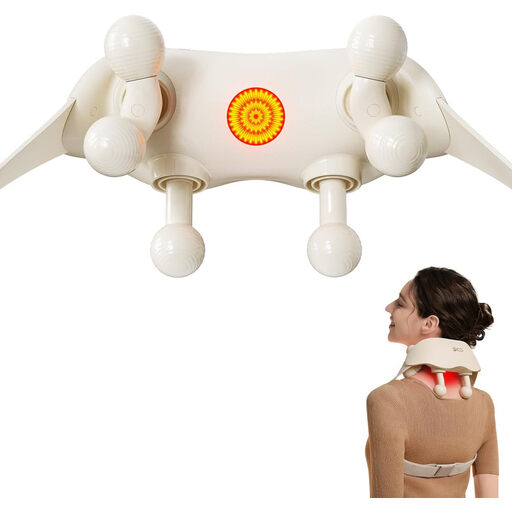
Why it suits this profile: This model combines wireless use with six settings, three heat settings and a stated battery life of up to 70 minutes. That makes it suitable for simple moments of relaxation at home or at the office.
The product description gives specific settings and battery life, so you don’t have to rely on vague terms such as “powerful”.
Wireless design, six settings, three heat levels, elastic neck support and hands-free strap.
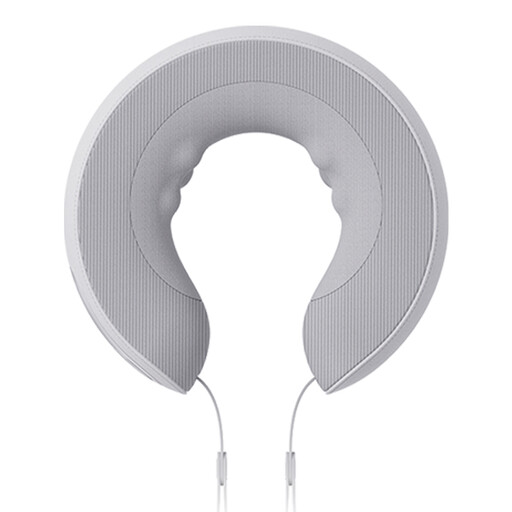
Why it suits this profile: The product description mentions a 3D design with 42 contact points, a heat setting of 43 °C and a removable, washable cover. It’s a good fit for users who pay attention to design details and maintenance.
The temperature and design are described in specific terms. However, claims about the effects of heat and infrared should be treated as brand claims, not medically proven results.
42 contact points according to the product description, fixed heat at 43 °C, quiet operation and a washable cover.
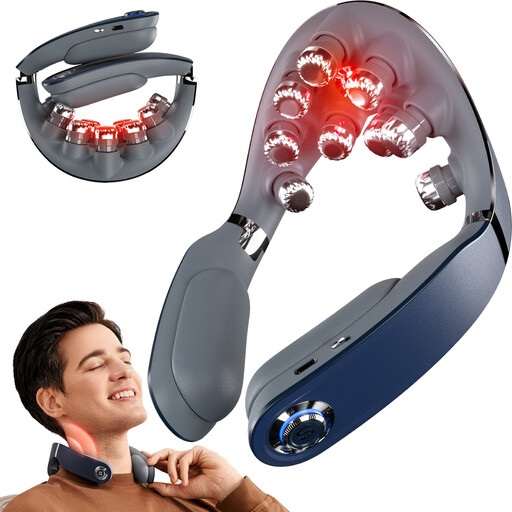
Why it suits this profile: This foldable model is designed for users who want to combine EMS/TENS, vibration and app control. The specifications list fifteen intensity levels and a USB-C connection.
The instructions state a maximum total usage time of 30 minutes per day and clearly outline restrictions relating to implants, sleeping and driving.
EMS/TENS and 9D vibration according to the product information, foldable design, app control and four heat settings.
We’ve put together a complete, up-to-date list of products that meet these strict selection criteria and the applicable European safety requirements.
It varies by model. Many devices are designed for short sessions. Always follow the instructions and stop if you feel heat, skin irritation or discomfort. A higher intensity doesn’t automatically mean a more pleasant result.
Heat can feel soothing, but use the device according to the specified temperature and duration. Avoid direct or prolonged contact with heating elements, and don’t use it on damaged or less sensitive skin.
Electricity costs are generally low, as the battery is charged via USB or an adapter. The overall cost of ownership mainly depends on the purchase price, warranty, charging accessories and expected battery life. So check the warranty and care instructions as well as the price.
