
Vandaag of morgen in huis

Kwaliteit gegarandeerd

Welkomstaanbiedingen ontgrendelen: GRATIS bezorging | Tot 80% korting | Gratis 30 dagen JoyPlus-proefperiode
Download de app
A neck massager may seem appealing if you spend a lot of time at a desk, go on long drives or want to relax at home. However, electric neck massagers vary considerably in how they work, their size, heat settings and battery life. A device that looks comfortable in an advert may prove too heavy, too intense or difficult to clean in practice.
So don’t focus solely on terms such as “shiatsu”, “deep tissue” or “infrared”. Check the features you can verify, such as the massage heads, temperature settings, controls, fit and safety instructions.
A brand might talk about “3D massage”, “9D vibration” or “deep relaxation”. These terms only tell you something useful if it’s clear how the device works. For example, check:
According to the product description, the Breo D5’s massage rollers use 42 contact points and a 3D motion. This is a technical product specification; it doesn’t automatically mean that every user will have the same experience.
Heat can feel soothing, but you shouldn’t use a heated neck massager for an unlimited period or while sleeping. Check the maximum usage time and warnings in the manual. Some models explicitly state that you shouldn’t use the device for more than 15 minutes at a time, or that you should let it cool down between uses.
Avoid direct skin contact with a warm component if you have sensitive skin. Also, don’t use an electric neck massager near water, in a damp bathroom or with wet hands.
A massager is designed for short periods of relaxation. An ergonomic neck pillow is primarily intended to support your head and neck while you rest or sleep. So a neck pillow for sleeping isn’t automatically a substitute for a neck massager, or vice versa.
Consider your sleeping position too. Side sleepers often need a different pillow height from back sleepers. For memory foam or latex models, check the dimensions, shape and ventilation.
A shiatsu neck massage usually uses rotating massage heads. It feels different from vibration or EMS/TENS. Electrical impulses come with additional safety guidance. For example, the SKG G7 Pro-Fold states that the device isn’t intended for people with a pacemaker, an implanted defibrillator or another electronic medical implant.
If you’re unsure, choose a model with several settings. Adjustable intensity is useful if several people will be sharing the device, or if you’d prefer a gentler setting at the office.
For a heated neck massager, check:
The Breo P2 lists two heat settings, ranging from 40 to 45 °C. The Breo D5 specifies a constant temperature of 43 °C. This information comes from the brands’ product descriptions, and the devices should be used in accordance with the manual.
A portable neck massager is handy on the train, plane, in the car or at the office, but check how it needs to be charged. The Breo iNeck Air 2 has an inflatable U-shaped design and charges via Micro-USB. This makes it compact for travel, but you’ll need to make sure you have a suitable cable or adapter.
Also check:
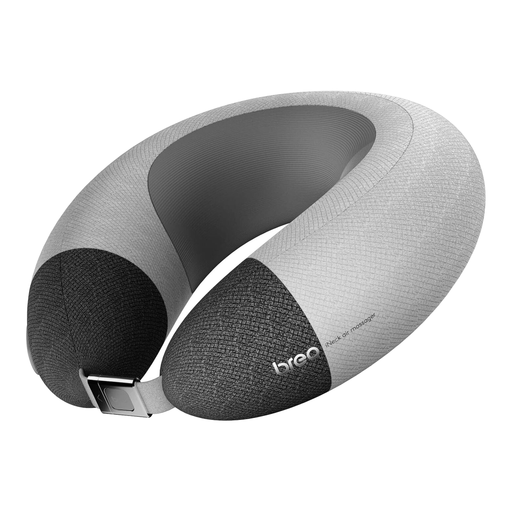
Why it suits this profile: The inflatable U-shaped design is compact and intended for use on planes, in cars, at the office and at home. The three massage modes and USB charging give beginners practical options to choose from.
The product specifications clearly state that it’s inflatable, has three settings and heat, and can be used for a maximum of 15 minutes at a time.
Inflatable design, storage pouch, Micro-USB charging and a U-shaped fit.
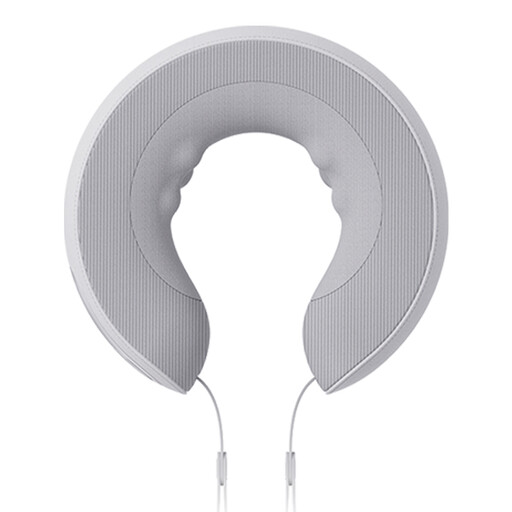
Why it suits this profile: This model is designed for use at home, whether sitting or lying down. According to the product description, it combines 3D rollers with heat and a washable cover.
The stated temperature of 43 °C, 42 contact points and removable cover make the key features more specific than general marketing terms.
3D roller mechanism, fixed heat setting, quiet motor according to the product description, and washable outer cover.
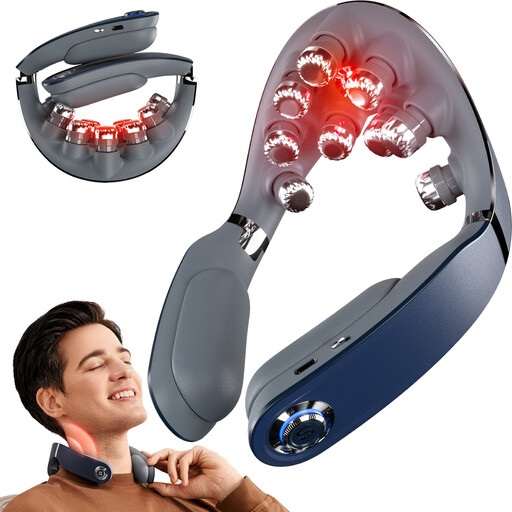
Why it suits this profile: The foldable design, USB-C charging, app controls and multiple intensity levels suit users looking for both features and portability.
The instructions specify 15 intensity levels, four heat settings and a limit of 30 minutes per day. This helps you set realistic expectations.
EMS/TENS and vibration features according to the product specifications, foldable design and USB-C connection.
We’ve put together a complete, up-to-date list of products that meet these strict selection criteria and the applicable European safety regulations.
Choose a neck support pillow if you’re mainly looking for support while sleeping, reading or resting. According to the product description, the smartsleep Neck Support Pillow uses breathable viscoelastic foam and is designed for back and side sleepers. The contour pillow has a latex construction, a wavy shape and measures 60 × 40 cm.
Check the height and firmness. A pillow that’s too high may feel uncomfortable for side sleepers, while a model that’s too low may not provide enough support. If the instructions recommend it, leave memory foam to air for 24 to 48 hours after unpacking. Don’t machine-wash a foam core unless the manufacturer explicitly says it’s safe to do so.
It varies by model. Always follow the manual. Some models’ product information gives a usage limit of 15 minutes per session, while the SKG G7 specifies a total limit of 30 minutes per day. Stop if you experience uncomfortable heat, skin irritation or unusual noises.
No, don’t use an electric massager while sleeping. You may not notice if the heat or pressure becomes uncomfortable. A neck pillow designed for sleeping is more suitable for this purpose, provided its shape and height suit your sleeping position.
Running costs mainly come from charging and, if needed, replacing parts. You can usually charge a USB model using a suitable adapter, laptop or power bank. Before buying, check the type of connection, the cable supplied and the warranty terms. A removable, washable cover can also be handy for regular use.
