
Vandaag of morgen in huis

Kwaliteit gegarandeerd

Welkomstaanbiedingen ontgrendelen: GRATIS bezorging | Tot 80% korting | Gratis 30 dagen JoyPlus-proefperiode
Download de app
A pouch of wet cat food seems easy to choose – until you’re standing in front of the shelves or scrolling through a long product list. Would your cat prefer food in gravy, pâté, a multipack or a recipe for kittens? Packaging often draws your attention with phrases such as “with chicken” or “with beef”, even though that flavour may make up only a small proportion of the recipe.
Not all packaging is equally practical, either. A large tin may seem like good value, but it’s less convenient if your cat eats small portions. And while a multipack with lots of flavours can help prevent boredom, it may be less useful if your cat refuses one of the recipes. Use these checks to compare wet cat food based on useful information, rather than marketing claims alone.
“With beef”, “with chicken” or “with salmon” doesn’t automatically mean that most of the food is made from that ingredient. Check the ingredients list and the percentage shown next to the named ingredient. For example, several Whiskas recipes list 4% of the named animal species in the chunks. This gives you a more realistic picture than the image on the packaging.
For everyday feeding, complete wet food for adult cats is the relevant choice. The packaging will usually say that it’s a complete food for the relevant life stage. A treat or topper, such as a lickable snack, isn’t a substitute. Also check whether the product is intended for adult cats, kittens or senior cats.
A 400 or 415 g tin may suit households with several cats. For one cat, portion pouches or small trays may help reduce waste. After opening, product labels often advise keeping the food covered in the fridge and using it within 48 hours. Always follow the instructions on the specific packaging, as they can vary from one product to another.
First, choose the right type of food for your cat:
So, an adult cat won’t necessarily benefit from kitten food, and vice versa. If you have questions about allergies, weight management or other dietary needs, it’s a good idea to speak to your vet.
Your cat’s preferences often matter more than the nutritional claims on the front of the pack:
Check the analytical constituents, such as moisture, protein and fat, but only compare them when they’re presented on a similar basis. A higher percentage isn’t automatically the better choice for every cat.
50 or 85 g portion pouches are handy if your cat has several small meals a day. A 400 g tin is more suited to households with several cats or where the food will be used up quickly. Also check:
According to the manufacturer’s product information, daily feeding amounts are guidelines. Adjust the portion according to your cat’s weight and activity level, and whether you’re feeding dry food as well. Always provide fresh drinking water.
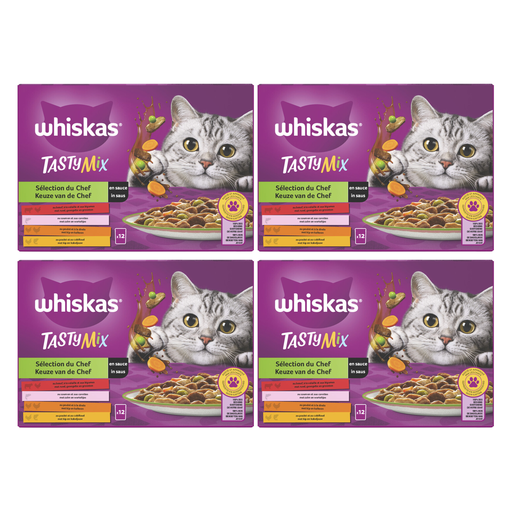
Why it suits this profile: A mix of recipes in gravy gives your cat variety without you having to buy several separate boxes. The product information describes it as complete wet food for adult cats.
Portion pouches help limit leftovers, and the ingredients list names the flavour variety used in each recipe. Check the current packaging for the exact composition.
85 g per pouch, several recipes in gravy and feeding guidelines for cats of different weights.
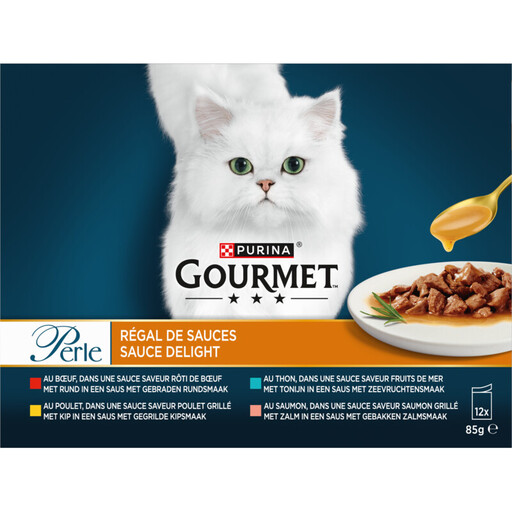
Why it suits this profile: For cats that prefer plenty of gravy, this multipack combines mini fillets with a selection of recipes. According to the product information, it’s a complete food for adult cats.
The recipe names and ingredients are listed separately, so you can compare the flavour options instead of relying on the product image alone.
12 pouches of 85 g, four named flavour profiles and 80% moisture according to the analytical information provided.
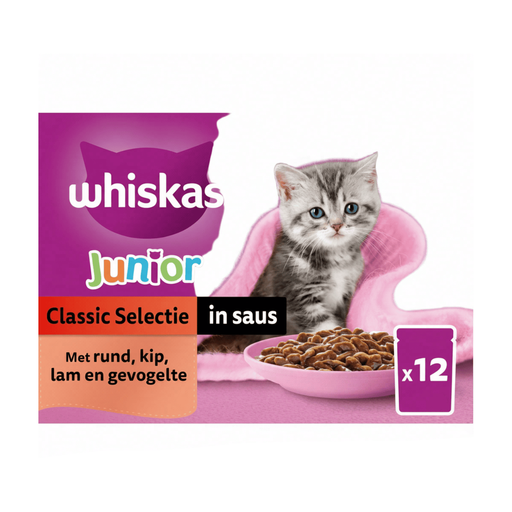
Why it suits this profile: This product is designed for kittens, not adult cats. The multipack suits owners who want to spread their kitten’s daily food across several meals.
The life stage is clearly labelled as junior or kitten, helping you avoid accidentally buying adult cat food for a young cat.
12 pouches of 85 g, with separate feeding guidelines for kittens aged from under 3 months to 12 months.
We’ve put together a complete, up-to-date list of products that meet these strict selection criteria and the applicable European safety regulations.
It can be, if the label says it’s a complete food for the right life stage. Check the nutritional status and follow the portion guidelines. A complementary food or treat isn’t intended to replace every meal.
Follow the instructions on the packaging. For the products mentioned, the advice is often to keep leftovers covered in the fridge and use them within two days at most. Don’t leave wet food at room temperature for long periods, and throw it away if it no longer smells or looks fresh.
Neither texture suits every cat. Cat food in gravy is handy for cats that prefer soft chunks with gravy. Pâté has a smooth texture and may be more convenient for cats that don’t eat chunks. When trying a new flavour, start with a small pack and introduce it gradually to help reduce waste.
