
Vandaag of morgen in huis

Kwaliteit gegarandeerd

Welkomstaanbiedingen ontgrendelen: GRATIS bezorging | Tot 80% korting | Gratis 30 dagen JoyPlus-proefperiode
Download de app
If you're looking to replace refined sugar, you'll soon discover the world of natural sweeteners. In online shops, you'll find honey, flower honey, Manuka honey, acacia honey, dates, carob syrup, pekmez, jaggery and agave syrup, among others. The differences aren't just in taste, but also in their composition, how you use them, packaging, and price per serving.
What's more, a natural origin doesn't automatically mean a product is low in sugar. The nutritional information tables for the products below show that honey and syrups usually contain a lot of carbohydrates and sugars. That's why you should always compare the labels and choose based on what you'll be using it for.
Honey, dates, jaggery and syrups are not sugar-free products. For example, South Flower Honey contains 80.5 grams of sugars per 100 grams. Medjoul dates also naturally contain sugars, but according to the product information, they also provide fibre. So don't just look for words like "pure", "unrefined" or "natural", but also check:
Brands use terms like "rich source of minerals", "antioxidants" or "energy boost". You should read such claims in the right context. According to Koska's own product information, their carob syrup is made from sun-dried carob pods and contains no additives or preservatives. That says nothing about any medicinal effects.
The claims surrounding Manuka honey are also product-specific. According to information from Manuka Doctor, MGO 540+ or MGO 740 refers to a classification based on methylglyoxal, expressed in milligrams per kilogram. This is not a reason to consider a food product a medicine.
A large jar might seem like a good deal, but it's not always practical if you only use a sweetener occasionally. Pay attention to the contents per package, the shelf-life information and how you use the product. A bottle of agave syrup is handy for smoothies and cold dishes, while soft dates can also be used as a snack or an ingredient.
For a short ingredients list, choose a product with "100% honey", "dates", "100% sugarcane juice" or "carob and water". For composite products, always check whether sugar, flavourings or other sweeteners have been added.
Origin can be relevant for taste and product preference. The range available includes:
A product containing honey is not suitable for a vegan diet. Dates, agave syrup, jaggery and carob syrup are plant-based options based on their listed ingredients, but if in doubt, always check the packaging.
For tea, coffee and smoothies, you need a sweetener that dissolves easily. Liquid honey, agave syrup and pekmez are practical for this. Jaggery in a soft block form may need to be cut or dissolved first.
For breakfast and desserts, thicker products are more useful. Think of honey on yoghurt, carob syrup over pancakes, or dates in porridge. Medjoul dates have a soft, firm texture and can be filled with walnuts, cheese or peanut butter.
Choose the flavour that suits your dish:
Please note: even unrefined sweeteners are still sweeteners with a significant amount of carbohydrates. Use them to taste and as part of a varied diet.
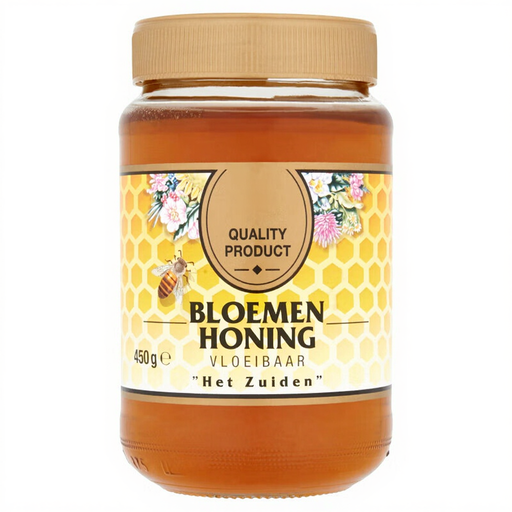
Why this is a good fit: A straightforward jar of 100% honey with a mild flavour, perfect for daily use in tea, on toast or in yoghurt.
The ingredients list states only honey. The nutritional information is clearly displayed: 80.5 grams of sugars per 100 grams.
450g size, mild flower honey, and suitable for many everyday uses.
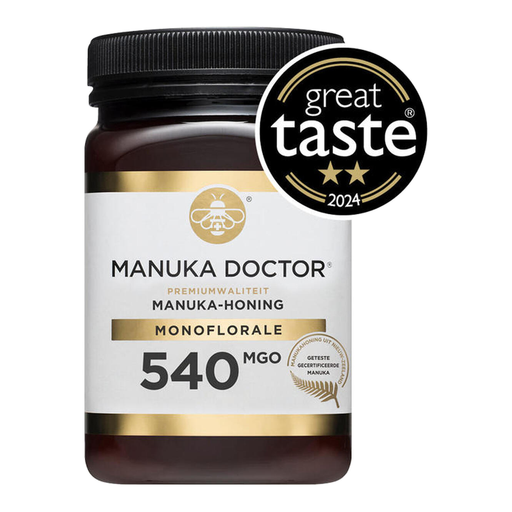
Why this is a good fit: For those specifically looking for monofloral Manuka honey from New Zealand with a stated MGO rating.
According to Manuka Doctor, each batch is independently tested and has an MGO rating of 540+. Check the batch information on the packaging.
500g size, 100% Manuka honey according to the product information, and packed in New Zealand.
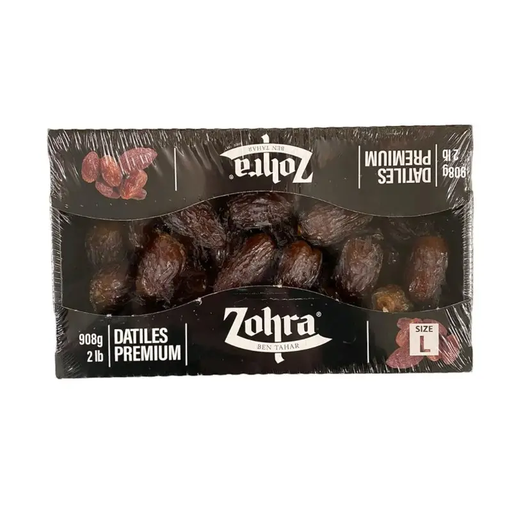
Why this is a good fit: For families, active consumers and home cooks who want a steady supply of fruit for snacks, breakfasts and baking recipes.
According to the specifications, the product consists of dates with no stated added sugar. It's easy to control your portion size.
908g size, large format, and can be used as a snack, a filling, or a natural sugar substitute in smoothies and yoghurt.
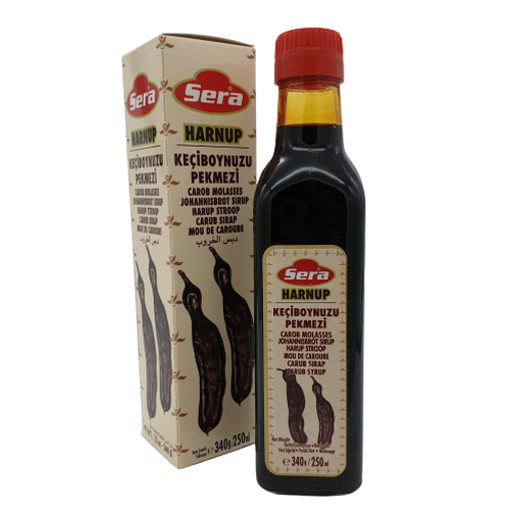
Why this is a good fit: A plant-based Turkish syrup for those who want a deep, earthy flavour in yoghurt, pancakes, drinks or savoury recipes.
The ingredients are carob and water. The packaging does not mention any added sugar, but always check the current label.
250 ml, vegan-friendly according to the product description, and a distinctive flavour for sweet and savoury dishes.
We've put together a complete, up-to-date list of products that fully meet these strict selection criteria and comply with current European safety regulations.
Store honey, pekmez, jaggery and agave syrup according to the label: usually in a tightly sealed container, in a dry place and out of direct sunlight. Dates are best kept in a cool, dry environment and should be sealed properly after opening.
Crystallisation of honey is a natural process and does not automatically mean the product has gone off. Honey is not suitable for children under twelve months old. Anyone with an allergy to honey or bee products should check the allergen information carefully.
That depends on your goal. Natural sweeteners can offer extra flavour, a different texture or a plant-based alternative. However, they often still contain a lot of sugars. For this reason, you should compare the nutritional values per 100 grams and use the amount that suits your recipe.
Liquid honey, acacia honey, agave syrup and pekmez generally dissolve easily. For a milder taste, acacia honey is a good choice; carob syrup and dark agave syrup provide a more distinct caramel-like note.
Honey and honeycomb are not vegan. Possible plant-based choices include dates, carob syrup, agave syrup and jaggery. Always check the full ingredients list and any cross-references on the packaging.
