
Vandaag of morgen in huis

Kwaliteit gegarandeerd

Welkomstaanbiedingen ontgrendelen: GRATIS bezorging | Tot 80% korting | Gratis 30 dagen JoyPlus-proefperiode
Download de app
Buying natural personal care products online seems straightforward, but product pages often use broad terms such as “pure”, “gentle” and “sustainable”. On their own, these words tell you very little. If you choose based only on the packaging or fragrance, you could end up with a product that doesn’t suit your skin, the occasion or your budget.
These tips will help you compare personal care products, fragrances and natural ingredients more effectively.
A natural claim doesn’t automatically tell you how many natural ingredients a product contains or which certifications apply. Always check:
For example, an aromatic inhalation balm may contain menthol, eucalyptus and fragrance. That doesn’t automatically make it suitable for everyone. Follow the age guidance and usage warnings on the packaging.
A fragrance may feel relaxing or refreshing, but this is a matter of personal preference. Treat claims made by a brand about a product’s performance as just that: brand claims. For example, according to Weleda’s own research, 87% of parents said their child slept better after using the Calendula Cream Bath. The study involved 30 children over two weeks; the results may not be the same for every family.
It’s also worth looking beyond the product page’s promises when considering an anti-cellulite oil. According to Weleda’s own research and user information, skin suppleness improved when the product was used twice daily for four weeks. Results may vary from person to person, and cosmetic care does not change a medical condition.
A large tube or multipack may seem like good value, but the best comparison is price per 100 ml or per 100 g. Pay attention to the recommended amount, too. A concentrated shower cream may last longer than a thin, liquid formula, while body butter or oil is often applied to specific areas of the body.
Storage also matters when it comes to plastic-free personal care. A body wash bar needs to dry properly between uses. Otherwise, it will wear down more quickly, and you won’t benefit from a longer-lasting product.
Check whether the formula suits your preferences and how you plan to use it. If you have sensitive skin, perfume, limonene, linalool and essential oils may be worth checking for. A gentle cleanser isn’t necessarily fragrance-free.
If you’re buying a product for use during pregnancy, for a baby or for a child, also check:
Pregnancy oil and body butter can help keep skin feeling supple. Claims that they prevent or reduce stretch marks come from the manufacturer and don’t guarantee individual results.
Don’t just compare 200 ml with 400 ml. Check the number of packs, shelf life and how often you’ll use the product, too. For example, according to the product information, Weleda Vitality Shower Cream is available in a multipack of three 200 ml tubes. This is practical for everyday use, but only worth considering if you like the fragrance and will use it in time.
A certification is easier to verify than a general claim such as “green” or “pure”. Also check exactly what the claim refers to:
For perfumes and scented candles, fire safety, fragrance intensity and quantity are more important than appearance alone. Place candles on a stable, heat-resistant surface and keep them out of reach of children and pets.
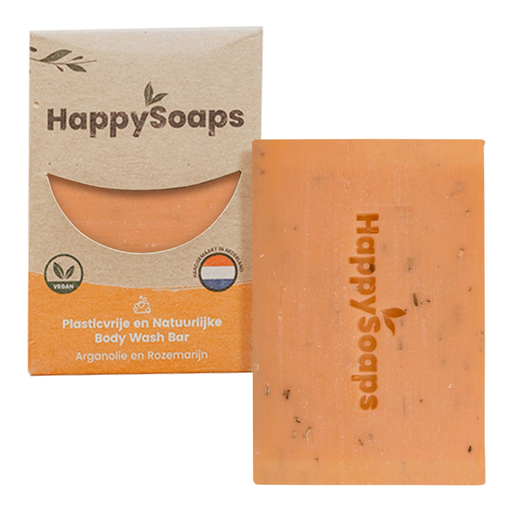
Why it suits this profile: This 100 g solid body wash is designed for everyday use and is marketed as vegan, cruelty-free and 100% plastic-free. The earthy fragrance of argan oil and rosemary is a good fit if you’re looking for a straightforward switch to plastic-free personal care.
The product format and quantity are clearly stated. You don’t have to pay for a large bottle, and you can check in advance whether the fragrance and storage requirements suit your routine.
100 g; vegan according to the product information; plastic-free product presentation; spicy fragrance.
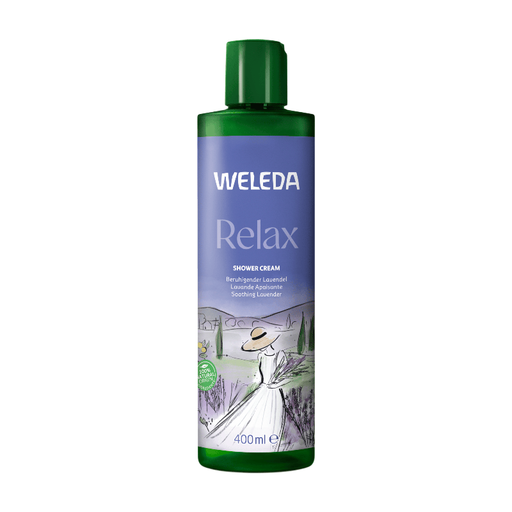
Why it suits this profile: This 400 ml natural shower cream combines a fragrance of lavender, bergamot and vetiver with organic sunflower oil. The product information states that it has a vegan formula, a NATRUE certification and a biodegradable formula.
The ingredient and certification information makes the natural positioning easier to verify than a standalone marketing claim.
400 ml; lavender, bergamot and vetiver fragrance; vegan according to the product information; free from microplastics, sulphates, SLS and silicones according to the product description.
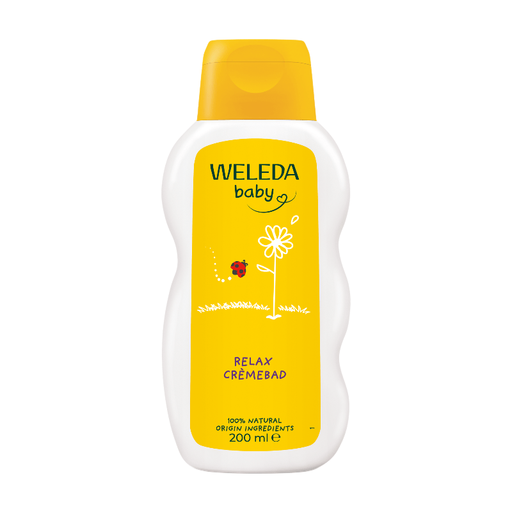
Why it suits this profile: This 200 ml cream bath is designed for baby care and contains lavender and neroli, among other ingredients, according to the product description. When it comes into contact with water, the gel turns into a creamy formula.
The age-specific use and dosage are clearly stated. Always check the label before use, and look out for fragrance if your baby has sensitive skin.
200 ml; free from soap, microplastics, SLS and SLES according to the product information; lavender and neroli fragrance.
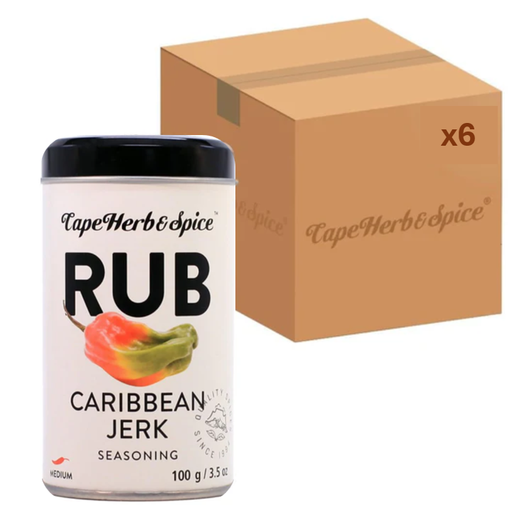
Why it suits this profile: This multipack is a good choice if you buy spice blends and sauces online and cook regularly. The rub contains sea salt, chilli flakes, brown sugar, onion, thyme, cinnamon and black pepper, among other ingredients.
The medium chilli rating and ingredients list give you more to go on than the flavour name alone. Always check the packaging for allergens and salt content, too.
Six 100 g packs; suitable for meat, fish, chicken and vegetables; medium chilli rating according to the product information.
We’ve put together a complete, up-to-date list of products that meet these strict selection criteria and current European safety regulations.
Start with the ingredients list, quantity, recommended use and any certifications. Also check whether the perfume, essential oils or allergens suit your skin and preferences. A brand claim doesn’t guarantee the same results for every user.
No. Natural fragrances and plant extracts can also cause irritation for some people. Test a new product according to the directions on the packaging, and stop using it if you experience an unwanted reaction. Use baby products only as directed, and check the age guidance.
It depends on the quantity, packaging and how long the product lasts. Compare the price per 100 ml or 100 g, and check multipacks. A larger pack is only good value if you use the product before it expires and the fragrance or formula suits your daily routine.
