
Vandaag of morgen in huis

Kwaliteit gegarandeerd

Welkomstaanbiedingen ontgrendelen: GRATIS bezorging | Tot 80% korting | Gratis 30 dagen JoyPlus-proefperiode
Download de app
Choosing a bottle of water might seem straightforward, but when it comes to natural mineral water, the origin, mineral composition, carbonation, size and packaging can vary significantly. A large multipack isn't automatically better value if you have limited storage space. And a packaging suitable for preparing baby food requires more consideration than just a low price tag.
Joybuy's Product Recommendation Officer filters the most important product information, so you can compare marketing claims with verifiable data on the label.
Natural mineral water comes from a recognised source and has a characteristic mineral composition. That composition can differ greatly from brand to brand. For example, Evian lists per litre 80 mg calcium, 26 mg magnesium, 6.5 mg sodium and 360 mg bicarbonate. SPA Reine, on the other hand, lists 5 mg calcium, 2 mg magnesium, 3 mg sodium and 17 mg bicarbonate per litre.
So don't just look at the name or origin – check the analysis in milligrams per litre too.
A 500 ml mineral water bottle is handy for on the go, at the office or in a lunch bag. For a household, 1.5 litre or 2 litre mineral water can mean fewer packs per drinking occasion. A multipack does take up more space and can be heavier for delivery or storage.
When comparing a mineral water multipack, always check:
Some packaging states that the water is suitable for preparing baby food. That doesn't mean you can skip the preparation instructions. SPA Reine, for instance, states a sodium content of around 3 mg/l and describes its products as suitable for baby food. Bar Le Duc notes a low fluoride and sodium content for some of its variants.
Always check the current packaging, use an unopened pack and follow the instructions from the baby food manufacturer. If you have specific dietary restrictions, it's wise to consult a healthcare professional.
Still mineral water contains no added carbon dioxide and is often used for everyday drinking, cooking or preparing food. Sparkling mineral water contains carbon dioxide and is often served chilled with meals.
Look out for the description: "sparkling", "carbonated" or "bruisend" refers to carbonation. According to the product information, Evian Natural Mineral Water 1.5 litre with carbon dioxide is made from natural mineral water and carbon dioxide. San Pellegrino Mineral Sparkling Water 1 litre also lists natural mineral water and carbon dioxide as ingredients.
If you're looking for mineral water low in sodium, you can compare the sodium content per litre. Examples from the product information available:
These are product specifications, not personal dietary advice. Check the bottle or packaging for the most recent analysis.
Before use, check that the cap, seal or tap is intact. Store mineral water in a cool, dry place away from direct sunlight. After opening, the product descriptions recommend keeping the bottle sealed and refrigerated, and using it within the stated period.
An Eco Pack of 5 or 10 litres is convenient for households that want to use fewer individual bottles. It does require hygienic pouring: do not touch the opening or tap, and do not place the packaging in direct sunlight. Do not use a damaged, leaking or swollen pack.
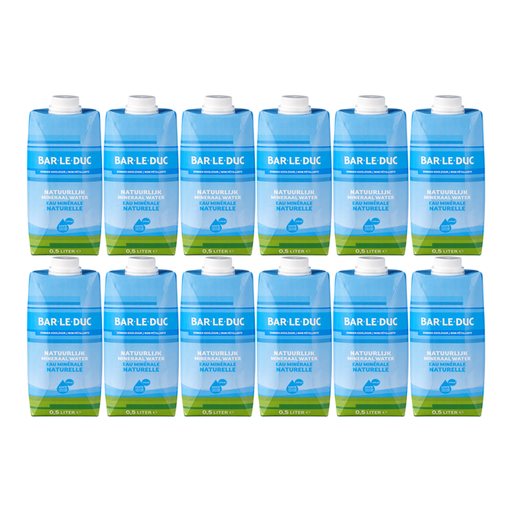
Why this fits the profile: The 12 bottles of 500 ml are easy to split between work, school, your gym bag or on the go.
The clear multipack and bottle size make the total quantity easy to check, without opting for a large container that's awkward to store.
12 x 0.5 litres; handy size for individual use; natural mineral water according to the product description.
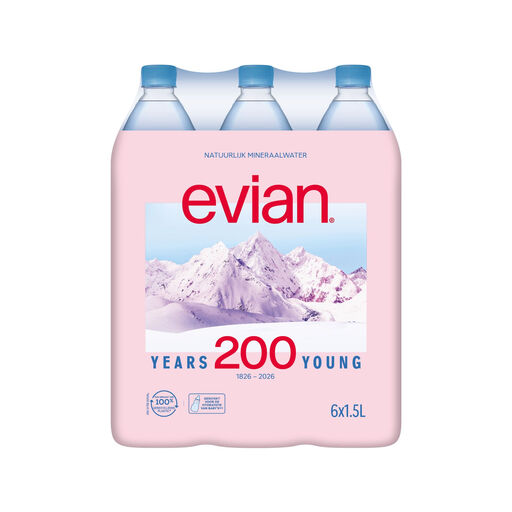
Why this fits the profile: The size is ideal for families, meeting rooms and everyday use where several glasses are poured from one bottle.
The mineral analysis is listed per litre, so you can assess the composition rather than relying solely on the origin statement.
6 x 1.5 litres; 80 mg calcium and 6.5 mg sodium per litre according to the product information; suitable for stocking up.
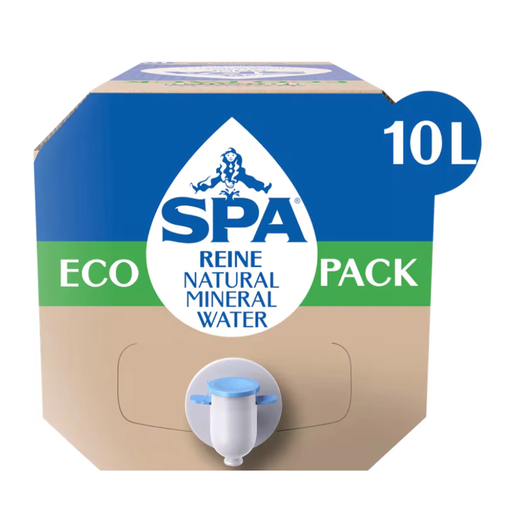
Why this fits the profile: The 10-litre Eco Pack is designed for households that use still water regularly and want to store fewer individual bottles.
The low values in the analysis are clearly stated: 3 mg sodium, 5 mg calcium and 38 mg dry residue per litre. The tap does require extra attention to hygiene.
10 litre capacity; 3 mg sodium per litre; according to the product information, suitable for baby food and a low-sodium diet.
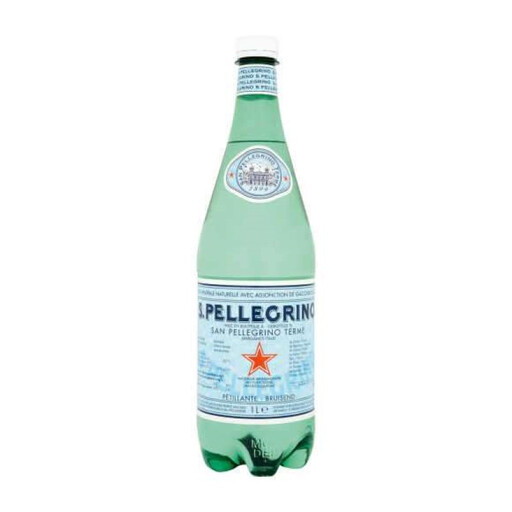
Why this fits the profile: The 1-litre bottle is practical with meals and for chilled sparkling water at home or in the office.
The product description clearly states natural mineral water with carbon dioxide. This means the difference from still water can be checked in advance.
1 litre capacity; natural mineral water with carbon dioxide; according to the product information, sourced from Italy.
We've put together a full, up-to-date list of products that fully meet these strict selection criteria and comply with current European safety regulations.
That depends on your preference and the mineral composition. Still water is practical for daily drinking and cooking, while sparkling water is more often enjoyed chilled with meals. Compare the label if you're specifically watching your sodium, calcium or other mineral intake.
For on the go, 500 ml is easy to carry. A 1.5 litre or 2 litre bottle is better suited to families and shared use. If you buy water regularly, compare a multipack or Eco Pack on price per litre, storage space and ease of use.
Seal the bottle or packaging tightly and store it chilled, away from direct sunlight and heat sources. Use opened products within the period stated on the label. With an Eco Pack, it's important to keep the tap clean and not to refill or reuse the packaging if the manufacturer doesn't permit it.
