
Vandaag of morgen in huis

Kwaliteit gegarandeerd

Welkomstaanbiedingen ontgrendelen: GRATIS bezorging | Tot 80% korting | Gratis 30 dagen JoyPlus-proefperiode
Download de app
Natural herbal products come in many forms: from herbal tea and herbs and spices to herbal extracts, vegan supplements and probiotic capsules. This wide range can make comparing products less straightforward. After all, packaging featuring words such as “pure”, “strong” or “natural” does not tell you how much of the active ingredients, sugar, allergens or additives a product contains.
With these buying tips, you can quickly identify which information matters and which popular marketing claims are worth checking before you place an order.
A product can contain natural ingredients without organic certification. “Plant-based” does not always mean that a capsule is vegan either. So check:
Chamomile tea made exclusively with organic chamomile is different from tea containing natural flavourings. Pickwick Herbal Chamomile Honey Tea, for example, contains honey granules and is therefore not suitable for vegans.
“20 herbs” sounds comprehensive, but also look at the quantity of herbal extract. According to the product information, Zonnatura 20 Herbs Herbal Tea contains 1.5% herbal extract, as well as dextrose and sugar. The nutritional information states that it contains 92 grams of sugar per 100 grams.
By contrast, Ginger Lemon Tea Natural 60g is described as containing mainly ginger and lemon. Some variants may also contain honey, goji berries, dates or lemongrass. So always check the current packaging if you want to avoid sugar, flavourings or specific ingredients.
With herbal extracts, you may come across terms such as 4:1, 10:1 or 20:1. These refer to the amount of raw material reportedly used to make the extract. They are not an automatic indication of efficacy.
You should not interpret brand claims about absorption, energy, immunity or other effects as guaranteed results either. According to Lucovitaal’s own information, the curcumin in its Turmeric Extra Strong product is processed into micelles for better absorption. This is a brand claim; you should also check the dosage, warnings and ingredients.
Do not just compare the number of capsules or the weight. Also compare the amount provided in the recommended daily dosage. The stated daily dosage for Applied Nutrition Shilajit Fulvic Acid Vegan Capsules is three capsules. According to the product information, this provides 1,500 mg of shilajit extract, standardised to 60% fulvic and humic acids.
Another product may state the amount per capsule even though the recommended dosage consists of several capsules. So work out how many days a pack will last and how much you will actually take each day.
The 14 major EU allergens must be clearly declared when they are present. Also look out for possible cross-contamination. Knorr Herb-Flavored Soup Powder lists celery and may contain gluten, egg, milk, mustard and soya, among other ingredients. This product is therefore not automatically suitable for people with allergies or those following a strict vegan diet.
According to the product information, Zonnatura Chamomile Herbal Tea contains only chamomile from organic farming and does not list any of the 14 major allergens. Zonnatura Natural Constipation Herbal Tea, on the other hand, contains oat grass with gluten. The product name alone is therefore not enough to make an informed choice.
Herbal tea, herbs and spices retain their flavour and aroma better when stored in a cool, dry place away from direct sunlight. Seal opened packaging securely. Check the best-before date on the packaging and do not use a product if the seal or packaging is damaged.
For food supplements, you should also follow the recommended dosage and never use them as a substitute for a varied diet. If you take medication, are pregnant or breastfeeding, or have a medical condition, consult a doctor or pharmacist first. This applies, for example, to products containing turmeric capsules, shilajit capsules or concentrated herbal extracts.
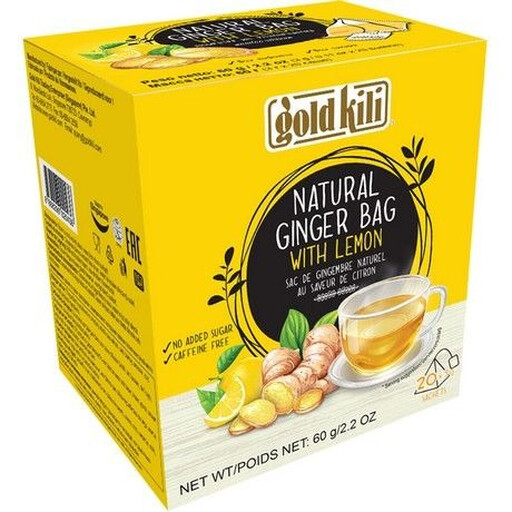
Why it suits this profile: An accessible choice for anyone who wants to try ginger and lemon tea without immediately buying a large range of supplements. According to the product information, the tea is caffeine-free.
The product description lists the main ingredients and possible additions separately. However, check the variant on the packaging before buying.
Ginger and lemon blend, caffeine-free and, according to the description, free from artificial colourings and preservatives.
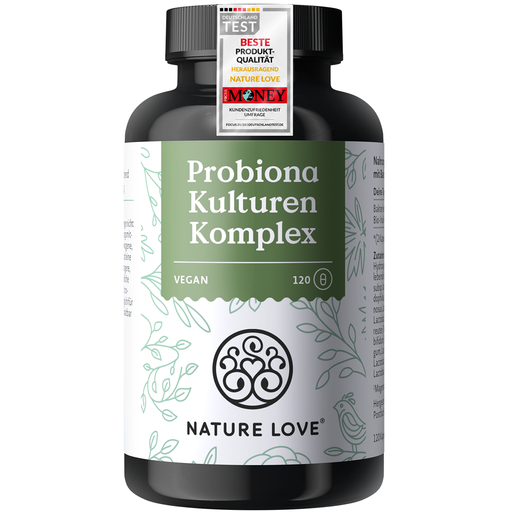
Why it suits this profile: Suitable for adults who look for organic ingredients, a vegan capsule and a clearly stated daily serving.
The formulation lists 20 bacterial cultures, 20 billion CFU per daily serving and organic inulin. This allows you to compare the contents precisely.
120 vegan capsules, organic inulin, gluten- and lactose-free according to the product information, plus an acid-resistant capsule shell.
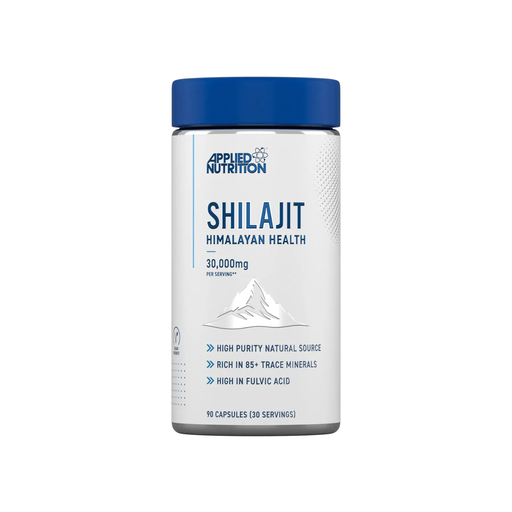
Why it suits this profile: For adults deliberately looking for a concentrated supplement and willing to check the daily dosage, origin and warnings carefully.
The 20:1 extract ratio and standardisation to 60% fulvic and humic acids are stated. This makes the product specification verifiable without promising any particular effect.
1,500 mg extract per three capsules, vegan capsule shell, halal-certified according to the product information and with no added sugar.
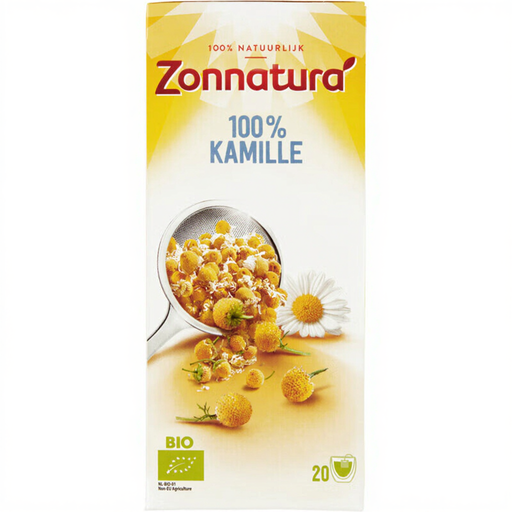
Why it suits this profile: A practical option for anyone who wants to avoid loose ingredients and is looking for a simple evening tea containing one clearly stated herb.
The ingredients list names chamomile as the only ingredient and states that it comes from organic farming. No hidden herbal blends are listed.
20 tea bags, chamomile from organic farming according to the product information, with none of the 14 major EU allergens listed.
We have put together a complete, up-to-date list of products that fully meet these strict selection criteria and the applicable European safety regulations.
Herbal tea usually consists of dried herbs, flowers, roots or bark prepared with hot water. A herbal extract is more concentrated and is often used in capsules, tablets or powders. When comparing extracts, always check the amount per capsule, the extract ratio and the recommended daily dosage.
Follow the best-before date on the packaging. Store the tea in a dry, cool place and keep it tightly sealed. With loose-leaf tea, the aroma and flavour may gradually fade after opening, particularly if the packaging is exposed to moisture or sunlight.
That depends on the ingredients, dosage and your personal circumstances. Never take more than the recommended amount. Take extra care with turmeric capsules, shilajit capsules, probiotic capsules and combinations containing vitamins. If you take medication, are pregnant or breastfeeding, or have a medical condition, it is advisable to consult a doctor or pharmacist.
