
Vandaag of morgen in huis

Kwaliteit gegarandeerd

Welkomstaanbiedingen ontgrendelen: GRATIS bezorging | Tot 80% korting | Gratis 30 dagen JoyPlus-proefperiode
Download de app
Covering grey hair without stressing your hair or scalp is a common goal. The search for a natural hair dye with grey coverage quickly leads you through a jungle of marketing promises. Unfortunately, this doesn't always lead to the desired result. Before you invest in a product, it's helpful to know where the pitfalls lie.
Many users experience two major disappointments:
These experiences are frustrating and a waste of time and money. Making a good choice starts with understanding the product specifications that truly matter.
To avoid disappointment, there are two key aspects you should check before buying a plant-based hair dye or another gentle alternative.
A gentle formula is crucial, especially when choosing a hair dye for a sensitive scalp. Look for the absence of the following substances:
Instead, look for formulas enriched with conditioning components. Ingredients like hydrolysed wheat, corn, or soy proteins, and botanical oils (such as rosemary or eucalyptus oil) help nourish the hair during the colouring process.
Not all natural hair dyes are the same. The effectiveness for dyeing grey hair naturally depends on the formula and the type of colour.
For good grey coverage, it's important that the product description explicitly states that the dye is suitable for covering white or grey hair. Some formulas may require a longer processing time on grey strands for an optimal result.
Based on objective product specifications, we have selected several options that suit different user profiles.
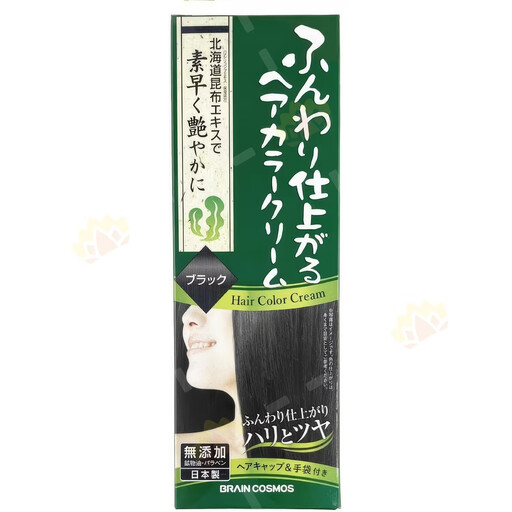
Why This Fits Their Persona: This colour is ideal for those trying a natural hair dye for the first time or who have a very sensitive scalp. The formula is free of ammonia and other harsh chemicals and uses kelp extract to nourish the hair.
Tackles the 'harsh chemicals' pitfall. According to the manufacturer, the formula is odourless and gentle, specially developed to be kind to the scalp.
Combines colouring and deep conditioning in one step. The short processing time of 10-15 minutes makes it a quick and convenient option.
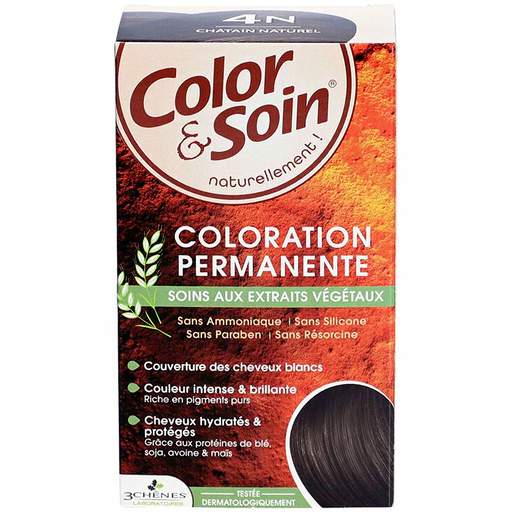
Why This Fits Their Persona: For those disappointed by the coverage of other gentle dyes. This product is specifically designed for effective grey coverage with long-lasting results, without compromising on a gentle formula.
Counters the 'poor coverage' pitfall. The product information states that it effectively covers white hair and the colour lasts for up to 28 washes.
According to the manufacturer, the formula contains 95% plant-based ingredients and is enriched with proteins and essential oils to hydrate the hair and reduce the risk of breakage.
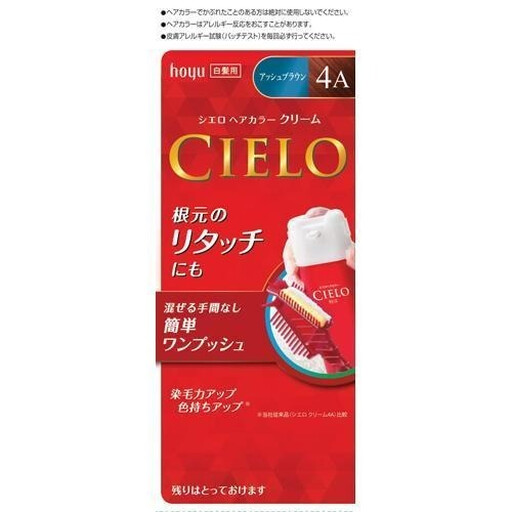
Why This Fits Their Persona: This complete, ammonia-free kit is perfect for anyone wanting a professional-looking result at home, quickly and without fuss. Ideal for root touch-ups or a full colour application.
Avoids the 'complicated process' pitfall. The all-in-one kit includes everything needed for a smooth and even application, making it ideal for at-home use.
The ammonia-free formula minimises unpleasant odours. The kit is complete with dye, developer, gloves, and conditioner for immediate use.
We have compiled a complete, up-to-date list of products that meet these strict selection criteria and safety standards.
The longevity varies by product. Semi-permanent colours typically last 6 to 12 washes, while permanent formulas last longer. Products like the Les 3 Chenes Color & Soin claim colour fastness for up to 28 washes. The life of the colour also depends on your hair type, how often you wash it, and whether you use colour-protecting hair products.
The coverage can vary. Many modern plant-based hair dye products are specially formulated for good grey coverage. However, very stubborn or resistant grey hair may sometimes require a second application or a longer processing time. Always read the manufacturer's instructions and check if the product is explicitly recommended for grey coverage.
Generally, it is recommended to apply the dye to dry, unwashed hair. The natural oils on your scalp can help protect against irritation. Avoid using conditioners or styling products right before dyeing, as they can create a barrier that hinders colour absorption. For some 100% plant-based powder dyes (like pure henna), a pre-treatment may be necessary, but for most at-home kits, this is not the case. Always follow the specific instructions for the product.
