
Vandaag of morgen in huis

Kwaliteit gegarandeerd

Welkomstaanbiedingen ontgrendelen: GRATIS bezorging | Tot 80% korting | Gratis 30 dagen JoyPlus-proefperiode
Download de app
As a dog owner, you naturally want to spoil your four-legged friend with a tasty treat. But the search for genuinely healthy, natural dog snacks can feel like navigating a maze. Packaging makes big promises, but the ingredient list often tells a different story. Many owners unknowingly fall into marketing traps, buying snacks that aren't as healthy as they appear.
Before you add another bag of treats to your cart, let's first discuss the most common pitfalls. This will help you avoid spending money on products packed with unwanted additives.
You don't need to be a nutrition expert to sidestep these traps. By paying attention to a few key points, you can make a much better choice. These are the specifications that truly matter.
The rule is simple: the shorter and more understandable the ingredient list, the better. Look for products that clearly state what meat they contain. A snack made of 100% dried duck or chicken breast is a far clearer choice than a product with a long list of unrecognisable additives. Grain-free dog snacks are a great default choice, especially if your dog has a sensitive stomach or is prone to allergies.
Dogs need protein for their muscles and overall health. Protein-rich dog snacks are therefore a good choice, provided the protein comes from a high-quality source. Opt for meat-based dog snacks where the type of meat is specified, such as chicken, duck, or beef. Products like dog jerky are often an excellent option, as they usually consist of pure, dried meat with a high protein content.
Not every snack is suitable for every moment. Small, soft, and low-calorie treats are ideal as dog training treats. You can give several of them without disrupting the daily nutritional balance. Larger, tougher snacks are intended more as chews to keep your dog occupied and to help with dental care. Align your choice with the purpose you have in mind.
Based on these criteria, we've selected a few products that suit the different needs of dogs and their owners.

Why This Fits Their Persona: The simple, grain-free formula with duck as the sole protein source is ideal for dogs that react quickly to food or are on an elimination diet.
No hidden grains or a vague mix of by-products. The ingredient list is short and clear: just duck and purple sweet potato.
100% natural ingredients, easily digestible, and free from artificial additives, preservatives, or fillers.
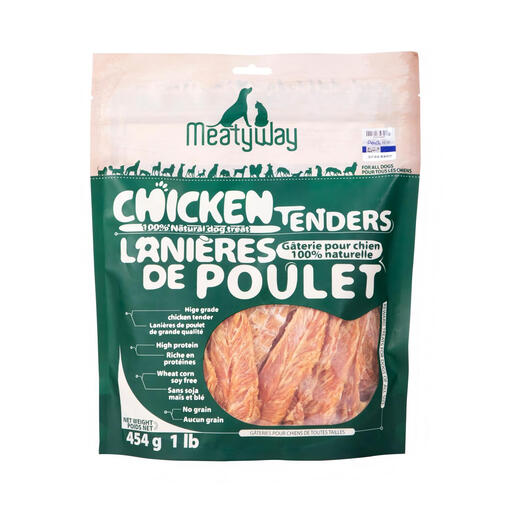
Why This Fits Their Persona: The soft texture makes it easy to break the jerky into small pieces for quick, repeated rewards during training, without crumbling.
This is a functional, high-protein reward without unnecessary sugars or fillers, keeping the focus on training and ensuring the snack is a healthy addition.
Made from 100% real chicken. The high protein content (min. 30%) makes it an ideal choice as a functional dog training treat.
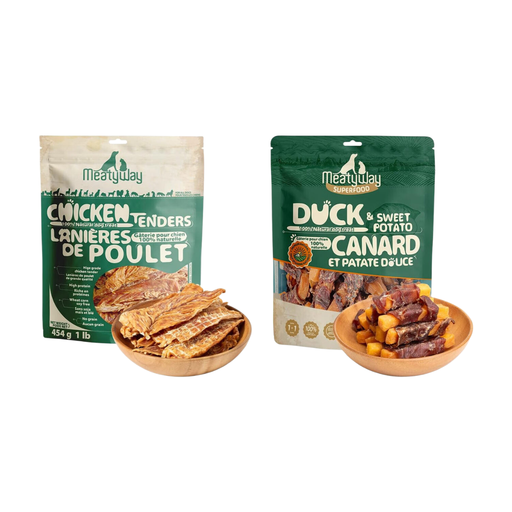
Why This Fits Their Persona: This snack combines two types of meat (chicken and duck) with sweet potato. This provides a richer flavour and extra nutrients, such as fibre.
Offers a more complex flavour and texture without resorting to grains or artificial flavourings. The ingredients remain pure and recognisable.
Grain-free formula with added fibre from sweet potato, which supports healthy digestion. High in protein and low in fat.
We've compiled a complete, up-to-date list of products that fully meet these strict selection criteria and local regulations.
A good rule of thumb is that snacks should not make up more than 10% of your dog's daily calorie intake. The exact amount depends on your dog's size, weight, age, and activity level. You may need to adjust their main meal slightly if you give more treats.
For many dogs, yes, especially those with a known grain allergy or sensitive digestion. Grains are harder for dogs to digest and can cause skin problems or stomach issues. If your dog has no issues with grains, they aren't necessarily harmful, but snacks based on pure meat generally align better with their natural dietary needs.
Look past the marketing slogans on the front and turn the package over. Read the ingredient list. Look for specific meat sources (e.g., "chicken breast" instead of "meat and animal derivatives"), a short list without artificial colours, flavours, or preservatives, and the absence of sugar and excessive salt. A transparent list is the best sign of a quality product.
