
Vandaag of morgen in huis

Kwaliteit gegarandeerd

Welkomstaanbiedingen ontgrendelen: GRATIS bezorging | Tot 80% korting | Gratis 30 dagen JoyPlus-proefperiode
Download de app
As a dog owner, you want what's best for your four-legged friend. The market for natural dog food is vast, and claims are everywhere. But what do terms like "natural" or "grain-free" really mean? It's easy to get lost in marketing promises that don't always align with your dog's actual needs.
Before you make a choice, it's helpful to understand a few common pitfalls:
To make an informed choice, it's useful to know how to read a label and evaluate the specifications. Here are three key points to check.
A good indicator of quality is the order of the ingredients. The ingredients that make up the bulk of the product are listed first. Look for kibble with a high meat content where a specific meat source is named first, such as "fresh chicken," "dried lamb," or "reindeer." Be wary of vague descriptions like "meat and animal by-products," as this can indicate a mix of lower-quality parts.
These terms are often used interchangeably, but they don't mean the same thing.
A dog's nutritional needs change throughout its life. Puppy food, for example, is richer in protein and calories to support growth and often contains specific nutrients like DHA for brain development. A senior dog, on the other hand, benefits from food with fewer calories and ingredients that support joint health. Always choose a food that is tailored to your dog's age and activity level.
Based on objective product specifications, we have selected a few options that suit different needs.
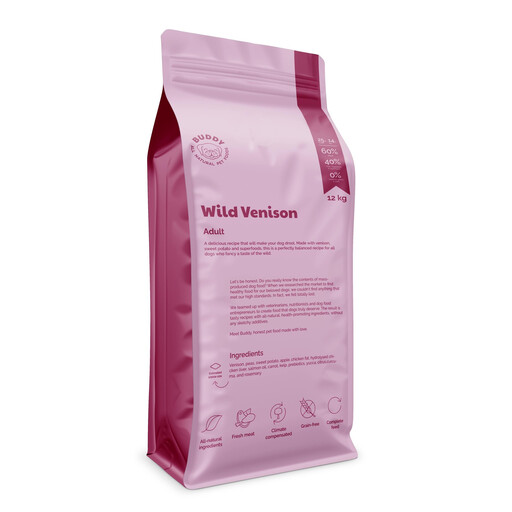
Why This Fits Their Persona: This food is ideal for dogs with food sensitivities. Reindeer is a 'novel protein,' a protein source that most dogs haven't eaten before, which reduces the risk of an allergic reaction.
It focuses on a single, high-quality, novel protein source instead of a laundry list of exotic ingredients. The formula is grain-free and uses sweet potato as a nutritious carbohydrate source.
60% wild meat and 40% vegetables, fruit, and superfoods. Completely free of grains, gluten, and artificial additives.
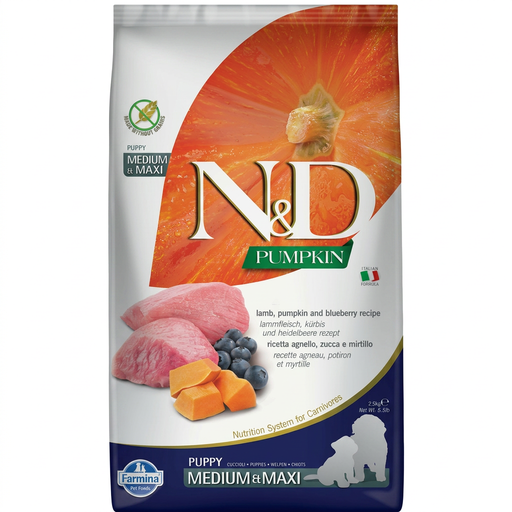
Why This Fits Their Persona: This food is specially formulated for the growth of medium and large breed puppies. The high protein content supports healthy muscle development, which is crucial in the first stage of life.
This isn't a 'one-size-fits-all' food but is specifically tailored for puppies. The ingredient list is transparent, with fresh and dried lamb as the main ingredients, not vague fillers.
According to Farmina, 96% of the protein is of animal origin. The formula is grain-free and contains pumpkin, which is known for its nutritional properties and digestive support.
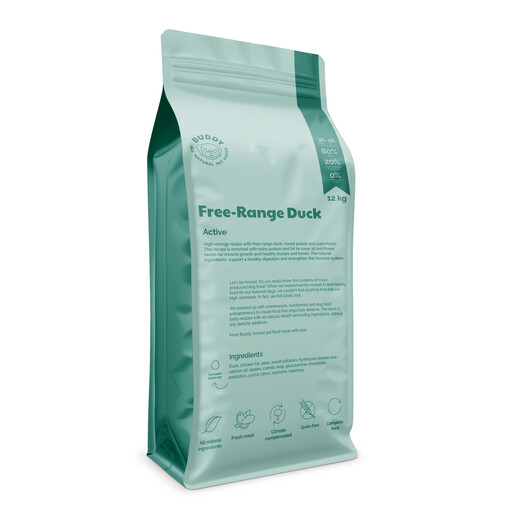
Why This Fits Their Persona: Active dogs and large breeds need more energy. This food is energy-dense, with extra protein and fats that contribute to muscle growth and the maintenance of healthy bones and tissues.
It delivers on the promise of high meat content with a clear specification: 80% animal ingredients. The focus is on functional energy, not marketing gimmicks.
Energy-rich formula with duck (44%) and fresh duck (26%) as the main ingredients. Suitable for large, active, and working dogs.
We have compiled a complete and up-to-date overview of products that meet these selection criteria.
A sudden change in diet can cause gastrointestinal upset. Introduce the new food gradually over a period of 7 to 10 days. Start by mixing a small amount of the new food (about 25%) with the old food. Increase the ratio every few days until your dog has fully transitioned.
Not necessarily. Grain-free is primarily a solution for dogs with a proven allergy or intolerance to grains. Many dogs can digest grains perfectly well. It's more important to look at the overall quality of the ingredients, such as the protein source and the absence of artificial additives, than to focus blindly on the term "grain-free".
Fresh meat, such as "fresh chicken," is unprocessed and contains a lot of moisture (around 70%). Meat meal, such as "chicken meal," is dried and ground meat. The moisture has been removed, making it a much more concentrated source of protein. A product with meat meal high on the list often has a higher total protein content than a product with the same percentage of fresh meat. Both can be high-quality, as long as the source is specifically named.
