
Vandaag of morgen in huis

Kwaliteit gegarandeerd

Welkomstaanbiedingen ontgrendelen: GRATIS bezorging | Tot 80% korting | Gratis 30 dagen JoyPlus-proefperiode
Download de app
Want to buy nata de coco, but unsure whether to choose coconut gel in a jar, an Asian jelly or a coconut drink with nata de coco? The difference is not just in the taste. The amount of nata de coco, sugar content, serving size and storage instructions also determine whether a product suits your needs.
Nata de coco is often sold as soft, slightly chewy coconut gel. You can find it in a nata de coco dessert, a fruity pudding, a drink or nata de coco in syrup. When comparing products, pay particular attention to the following common pitfalls.
A 775-gram jar may seem appealing for making several desserts, but opened products generally need to be kept refrigerated and used within the period stated on the packaging. So only buy a large pack if you genuinely plan to use the coconut jelly in several servings.
For a first taste, individual cups or a 320 ml bottle are often easier to manage. For a family, party or well-stocked cupboard, a larger pack may be more convenient.
A product name may refer to coconut even when the main ingredients are water, sugar, fruit juice or syrup. So check the ingredients list and the percentage of coconut gel. For example, KATO Coconut Juice with Nata De Coco 320 ml lists 25% coconut drink and 15% nata de coco.
The fruit content is also relevant in a dessert. According to the product information, Ccocon Mango Pudding contains 5% mango purée and 17% fermented coconut gel. This gives you a clearer idea of how much of the product consists of fruit, pudding or coconut gel.
A nata de coco drink or Asian jelly may taste light and fruity but still contain sugar. KATO Coconut Juice with Nata De Coco contains 8.8 grams of sugar per 100 ml. According to the stated nutritional information, KATO Mango Juice with Nata de Coco contains 11.2 grams of sugar per 100 ml.
Use the nutritional values per 100 grams or 100 ml when comparing products. Do not rely solely on the front of the packaging, which tends to focus on flavour and a tropical look.
Nata de coco is suitable for a range of uses:
The texture varies from product to product. The pieces are often smaller in a drink, while coconut gel from a jar can be cut into cubes. If you want to mix it into yoghurt or a dessert, choose a variant that lets you control the amount yourself.
Always read the label on the packaging. As indicated in the product details, online information may differ from the current packaging. Before consuming, check:
KATO Coconut Juice with Nata De Coco does not list any of the 14 major EU allergens. Cocon Strawberry Jelly Pudding and Ccocon Mango Pudding do list milk as an allergen. According to the stated product information, Cocon Kingo products may also contain milk.
Store unopened products according to the instructions in a cool, dry place or away from direct sunlight. Once opened, many variants need to be kept refrigerated and consumed within the stated period. Also check that the seal is intact.
Individual cups with a spoon are practical for lunch boxes, work, picnics or a quick sweet snack. A jar or larger pack is more convenient when you use nata de coco as an ingredient in several dishes.
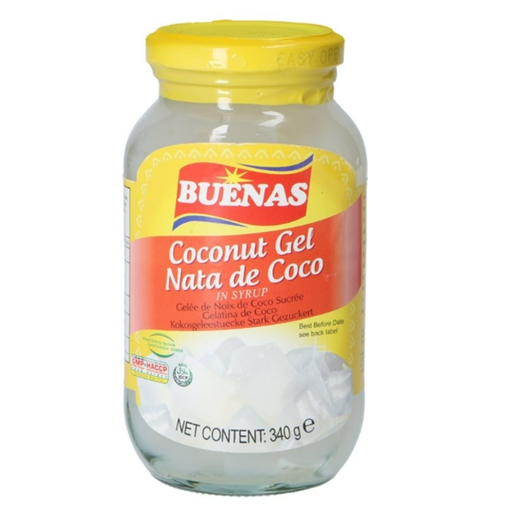
Why it suits this profile: A 340-gram pack is an accessible way to try coconut gel and use it yourself in desserts, fruit salads or drinks.
The fixed quantity means you do not have to buy a large supply straight away. You can also decide the portion sizes yourself rather than paying for a ready-made dessert.
340 grams of coconut gel; suitable for desserts, salads and drinks; according to the product information, free from the 14 major EU allergens.
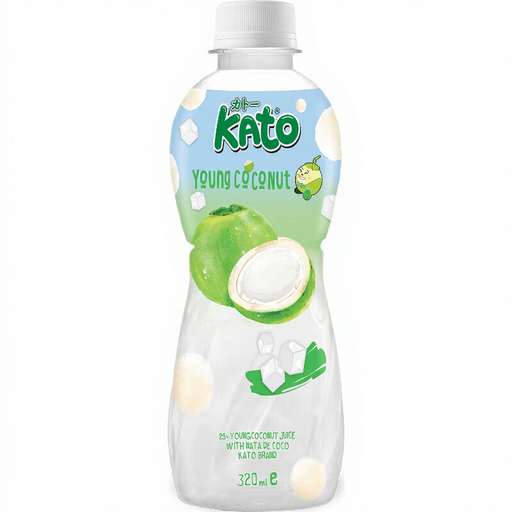
Why it suits this profile: A ready-to-drink coconut beverage combines coconut drink with nata de coco, with no preparation or additional ingredients required.
The label states specific percentages: 25% coconut drink and 15% nata de coco. This makes it easier to assess the composition than by relying on the product name alone.
320 ml; 15% nata de coco; 41.83 kcal and 8.8 grams of sugar per 100 ml according to the product information.
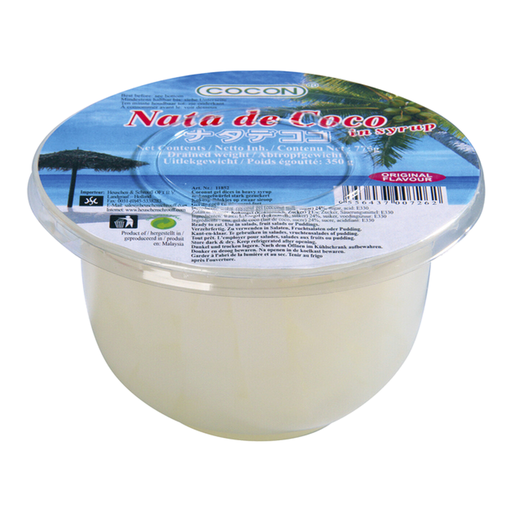
Why it suits this profile: The 775-gram quantity is intended for regular use as a topping for chilled desserts or when serving larger groups.
The large pack makes its intended use clear: this is a product to keep in stock for several occasions, not just a one-off snack.
775 grams; intended as a topping for chilled desserts; 78 kcal and 15.3 grams of sugar per 100 grams according to the product information.
We have put together a complete, up-to-date list of products that fully meet these strict selection criteria and the applicable European safety regulations.
You can buy nata de coco as loose coconut gel, in syrup, as Asian jelly or in a coconut drink. Choose the product format according to how you plan to use it: loose gel for recipes, individual cups for when you are out and about, and a drink when you do not want to prepare anything.
This varies from one pack to another. Once opened, nata de coco should generally be refrigerated if stated on the label and used within the indicated period. Always check the seal, best-before date and the latest storage advice on the packaging.
Yes, coconut jelly can be added to fruit salad, ice cream, pudding, yoghurt or a tropical dessert. With ready-made jelly products, look out for allergens such as milk and compare the sugar content when weighing up different flavours.
