
Vandaag of morgen in huis

Kwaliteit gegarandeerd

Welkomstaanbiedingen ontgrendelen: GRATIS bezorging | Tot 80% korting | Gratis 30 dagen JoyPlus-proefperiode
Download de app
Want to buy nata de coco, but unsure whether to choose coconut gel, coconut jelly, a ready-to-eat dessert or a drink? These products may look similar, but they differ in size, flavour, sugar content, allergens and convenience. That makes it worth comparing them, especially if you’re buying for a family, lunch box, store cupboard or catering kitchen.
When choosing, don’t just look at attractive packaging or a tropical fruit flavour. These three pitfalls are common:
Nata de coco is a set, slightly chewy preparation made from fermented coconut liquid or coconut gel. The cubes are used in Asian desserts, fruit salads, milkshakes and sweet, refreshing drinks. Its texture is firmer than ordinary jelly, giving it a distinctive bite.
The flavour depends on the variety. Plain coconut jelly goes well with ice cream and fruit, while mango, lychee, strawberry and grape desserts already have a distinct fruit flavour. In a drink, the cubes are combined with coconut water, fruit juice or syrup.
Pudding cups are handy for eating straight away. They’re usually packed in individual portions, and some versions come with small spoons. This can be useful for school, work, a picnic or a lunch box.
Looking for an ingredient to serve several people? A larger jar, such as nata de coco in syrup, makes more sense. According to the product description, this variety can be used as a topping for chilled desserts. Check the ingredients list, though: syrup varieties usually contain sugar and aren’t the same as unsweetened coconut cubes.
Coconut drink with nata de coco is a different option for when you’re out and about. Check the volume per bottle or tin and look at the nutritional values per 100 ml. This helps you avoid buying a multipack when you only want to try one flavour first.
A 340-gram pack isn’t directly comparable with a dessert box weighing 420, 480 or 708 grams. Check:
A jar is often more convenient when you’re putting together your own nata de coco dessert. Individual cups are easier to serve and help reduce waste when everyone gets their own portion.
Read the allergen information before ordering. For example, BUENAS Coconut Gel White states that the product contains none of the 14 main EU allergens. Other desserts in the range list milk as an allergen, including products that contain milk powder.
Nutritional values can also vary. Ccocon Mango Pudding lists 78.15 kcal, 19 grams of carbohydrates and 15 grams of sugars per 100 grams. According to the product information, KATO Coconut Juice with Nata De Coco contains 25% coconut water and 15% nata de coco. Use these details to compare flavours and uses, not as a health claim.
Store unopened products according to the label, usually in a cool place away from direct sunlight. Once opened, seal the packaging securely, keep it chilled and use it within the stated period. Also check the seal; don’t use the product if it was damaged before opening.
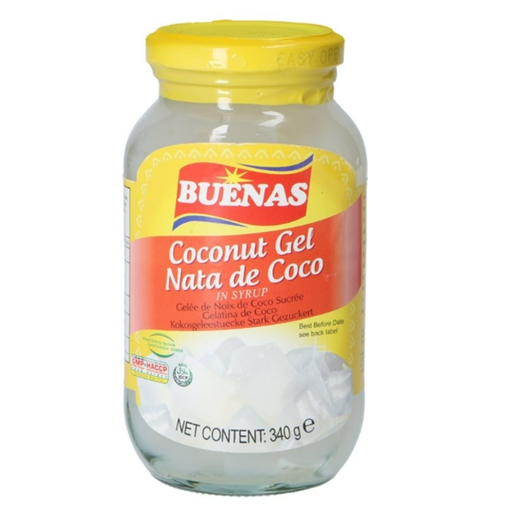
Why it suits this profile: A plain 340-gram pack is a good way to try coconut gel and make your own portions with fruit, ice cream or dessert.
The product description makes it clear that this is an ingredient. So you won’t end up with flavoured pudding when you want to mix and match your own combinations.
340 grams, plain coconut gel and, according to the product information, free from the 14 main EU allergens.
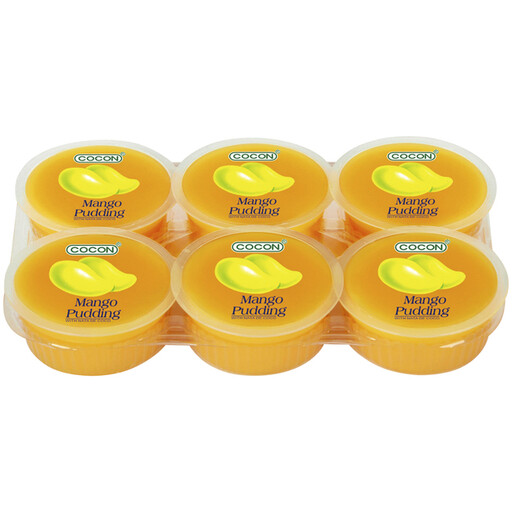
Why it suits this profile: Mango paired with small nata de coco cubes makes this a ready-to-eat dessert with a variety of textures.
The portions are connected and, according to the description, come with spoons. So there’s no need for a separate bowl or spoon.
480 grams, mango flavour and individual portions. Please note: the ingredients list includes milk, and the product contains 15 grams of sugars per 100 grams.

Why it suits this profile: The 775-gram pack is a good fit if you regularly use nata de coco as a topping for chilled desserts or in larger recipes.
The larger size means you won’t need a new small pack for every portion. Just make sure you’re looking for the syrup variety.
775 grams, intended as a topping and, according to the product information, 78 kcal and 15.3 grams of sugars per 100 grams.
We’ve put together a complete, up-to-date list of products that meet these strict selection criteria and the applicable European safety requirements.
Online shops sometimes use the terms interchangeably. Nata de coco usually refers to the chewy coconut cubes, while coconut jelly can also mean a gel dessert with fruit, pudding or syrup. So check the ingredients and net weight.
The best-before date for an unopened product is shown on the packaging. Store it according to the label, away from direct sunlight and excessive heat. Once opened, keep it chilled and use it within the stated period.
Compare the price per 100 grams, the number of portions and the ingredients. A large pack may seem like good value, but it’s less practical if you only use the product occasionally. A larger pack may be a better fit for a family or catering setting. Always check the flavour, allergens and use-by or best-before information before ordering.
