
Vandaag of morgen in huis

Kwaliteit gegarandeerd

Welkomstaanbiedingen ontgrendelen: GRATIS bezorging | Tot 80% korting | Gratis 30 dagen JoyPlus-proefperiode
Download de app
Buying nappies and nappy pants seems straightforward, until you have to choose between sizes, brands, pack sizes and occasions. A nappy that’s too small can leave marks and cause leaks. One that’s too big may not fit securely. A monthly box isn’t always good value either, especially if your child is growing quickly.
In this buying guide from the Joybuy Product Recommendation Officer, you’ll find practical things to look out for. The selection is based on verifiable information such as weight range, pack size, listed materials and product features.
Sizes 1 to 8 aren’t universal clothing sizes. The right choice depends mainly on your child’s weight and how the nappy fits around their legs and waist. For example, BC Babycare Royal Nappies size 1 is designed for babies weighing 2 to 5 kg, while size 5 in the same range is suitable for 12 to 17 kg.
Always check the size chart on the product page and packaging. If you notice red marks, gaps around the legs or repeated leaks, a different size may be a better fit.
A monthly box of baby nappies can be handy for families who use the same size regularly. However, stocking up isn’t as practical for newborns, as they tend to move up a size relatively quickly. If you’re buying newborn nappies and aren’t sure which fit works best, start with a smaller pack.
Also check the number of nappies in the pack. A box of 180 may sound generous, but you can only compare the price per nappy fairly by dividing the total price by the number of nappies.
Terms such as “leak-proof nappies”, “12-hour protection” and “for sensitive skin” describe a product claim, not a guarantee for every child. According to Pampers’ product information, some Baby-Dry Pants have an absorbent core and a flexible waistband. Your experience will also depend on the size, how much your child wees and how often you change them.
If your child has sensitive skin, check the ingredients list, look for products without perfume or lotion, and check which certifications are listed. A hypoallergenic claim doesn’t mean irritation is impossible.
Use your child’s weight as the first guide. Then look at:
Nappies in sizes 1 and 2 are mainly designed for young babies. From size 3 or 4 onwards, freedom of movement may become more important. Sizes 5, 6, 7 and 8 are available for bigger babies and toddlers, but always check the specific weight range.
An absorbent core is often made from cellulose, superabsorbent polymer, or a combination of the two. These materials absorb moisture, but that doesn’t automatically tell you how long a nappy will feel comfortable. During the day, changing more often may matter more than having an extra-thick core. For night-time, look for a model with an absorbent core, leak guards and a secure fit around the waist.
Night-time nappy pants for older children have different requirements. According to the product information, Huggies DryNites pyjama pants are designed for children aged 4 to 7 who weigh between 17 and 30 kg. They’re designed as disposable night-time pants, not as regular baby nappy pants.
Check whether the product information lists:
This information can help you compare products, but certifications and dermatological tests aren’t a personal medical assessment. Stop using the product if redness or irritation persists, and ask a healthcare professional for advice if needed.
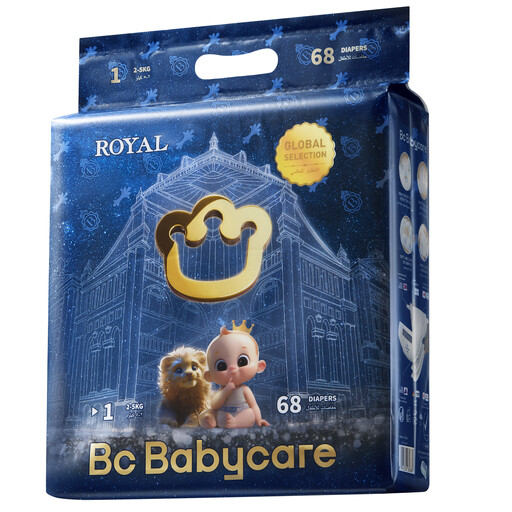
Why it suits this profile: A pack of 68 is a manageable size for a first purchase. These nappies are designed for newborns and babies weighing 2 to 5 kg.
The weight range is clearly listed, so you’re less likely to choose based on age or size number alone. A smaller pack also reduces the risk of ending up with too much stock.
68 nappies, weight range 2-5 kg, wetness indicator according to the product information, and a 360° anti-leak design.

Why it suits this profile: This monthly box is aimed at parents looking to stock up and who pay close attention to product information about perfume, lotion and certification.
The product information lists 0% perfume and lotion, a wetness indicator and a Stop & Protect pocket. This means you can compare specific features rather than relying on marketing claims alone.
180 nappies, described as hypoallergenic in the product information, FSC-certified cellulose in the core, and OEKO-TEX Standard 100.
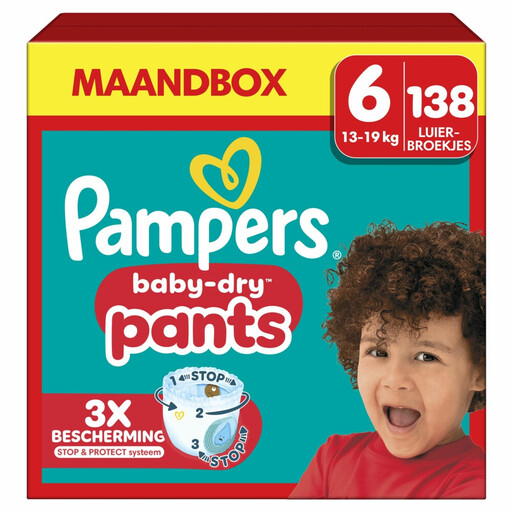
Why it suits this profile: Nappy pants are practical for active toddlers who move around a lot, or when changing them using sticky tabs becomes tricky.
Size 6 is designed for an active stage. According to Pampers, the 360° flexible waistband and wider leak guards are designed to help keep the fit secure while your child moves.
138 nappy pants, easy to pull on in one movement, tear-open sides for removal, and 0% EU fragrance allergens according to the product information.
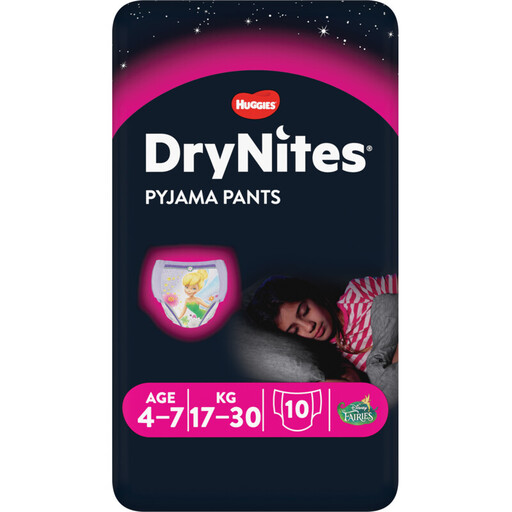
Why it suits this profile: Designed for children who are dry during the day but still need support with bedwetting at night.
These aren’t everyday nappies, but pyjama pants for night-time use with a separate weight range. This makes them a better match for their intended use.
10 pairs of pants, suitable for 17-30 kg, with stretchy sides and leak guards according to the product information.
We’ve put together a complete, up-to-date list of products that meet these strict selection criteria and the applicable European safety requirements.
First check your baby’s weight, then make sure the nappy fits well. Size 1 nappies are often designed for babies weighing around 2 to 5 kg, but the exact range varies by brand. If there are leaks or noticeable marks, you may need a different size.
It depends on the model and size. According to the product information, some Pampers Baby-Dry Pants are suitable for daytime and night-time use. DryNites pyjama pants are specifically designed for night-time use by children aged 4 to 7.
A monthly box can bring down the price per nappy, but only if your child stays in that size long enough. Work out the price per nappy, and don’t stock up if your child is close to moving up a size.
