
Vandaag of morgen in huis

Kwaliteit gegarandeerd

Welkomstaanbiedingen ontgrendelen: GRATIS bezorging | Tot 80% korting | Gratis 30 dagen JoyPlus-proefperiode
Download de app
A supply of muslin cloths for babies comes in handy every day. You can use them as baby burp cloths, when changing nappies, after bath time or as a soft liner in the pushchair. However, baby cloths vary considerably in size, layers, material and care requirements. As a result, an inexpensive set may be less practical than expected.
Pay particular attention to these common pitfalls:
For everyday use, cotton baby cloths and muslin baby cloths are popular choices. Cotton generally feels soft and can be washed. Muslin is a loosely woven cotton fabric that can be breathable and dries quickly.
Always check the exact product information. If it states 100% cotton, you know which main material is specified. However, this does not automatically tell you how thick, supple or absorbent the cloth will feel. The finish and number of layers also make a difference.
For one-off use, there are dry or wet wipes. According to the product description, the Babycare disposable cloths are made from viscose-lyocell fibres and can be used dry or moistened with water. According to the manufacturer, BC Babycare Wet Wipes are made from plastic-free cellulose fibres and are intended for single use. Manufacturer information about skin-friendliness or moisture content should be treated as a product claim from the brand, not as a general guarantee.
A cloth with several layers can hold more moisture than a thin cloth, but may also feel thicker. According to the product description, the and LEBONSOIR cloths in this selection have a six-layer cotton construction. This makes them suitable for wiping up milk, spit-up and drying.
As well as the number of layers, consider:
A larger cloth is not automatically more functional. For feeding and cleaning, a compact size may actually be more convenient.
Washable baby cloths are only practical if they are easy to keep clean. Before buying, check the recommended temperature and drying method. According to the product information, the cotton models mentioned can be washed in the washing machine at 40 °C. Bleaching and dry cleaning are not recommended. For several models, air drying is advised to help limit shrinkage.
Wash new cloths before first use with a mild detergent, and avoid strongly perfumed fabric softener if you want to limit unnecessary fragrances near your baby’s skin. Check the cloth before every use for loose threads, damage or hard labels. Stop using a cloth if the fabric remains rough, worn or soiled after washing.
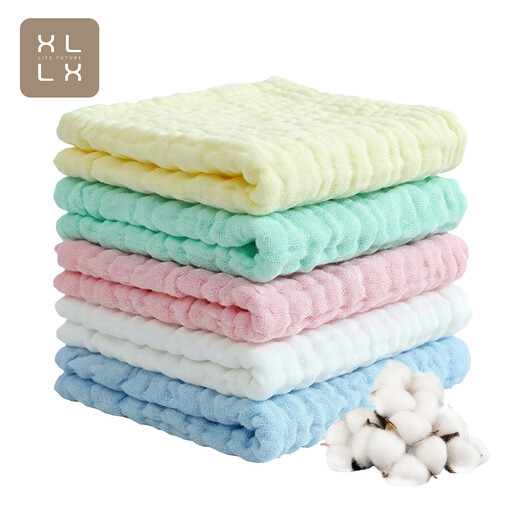
Why this suits the profile: A set of five cloths offers a practical starting point for feeding, nappy changes and cleaning. The 30 × 50 cm size fits in a changing bag.
The product specification states 100% cotton, six layers and reusability. This makes it clearer what you are paying for than with a set that gives no information about its material or layers.
Five 30 × 50 cm cloths, 100% cotton and a six-layer construction according to the product description.
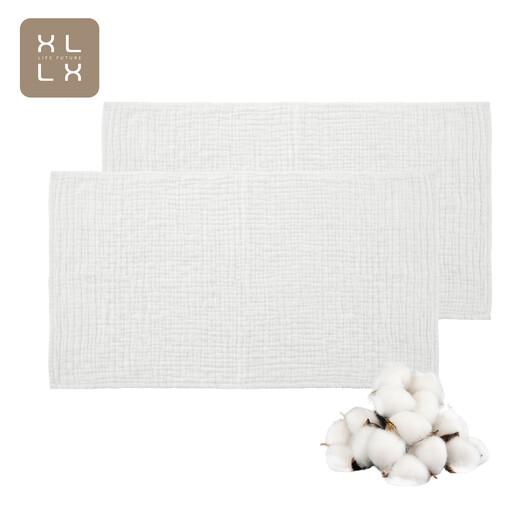
Why this suits the profile: If your main priority is preparing for bath time and drying, you get two large 70 × 140 cm cloths. This is a different choice from a set of small burp cloths.
The large size prevents a parent from trying to use a small cloth as a full-size bath towel. The care instructions specify washing at 40 °C and air drying.
Two large cotton cloths measuring 70 × 140 cm, six layers according to the product description and suitable for bath time.
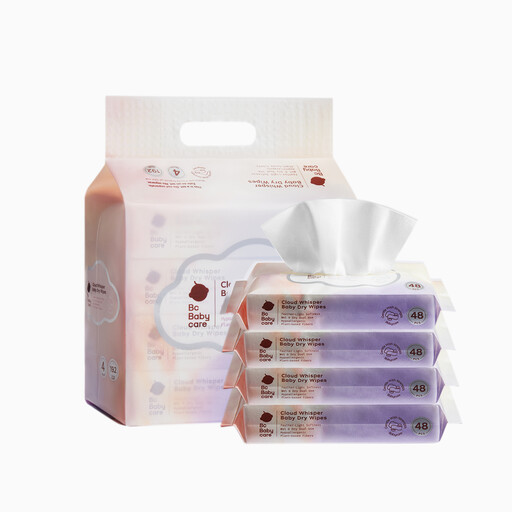
Why this suits the profile: These dry disposable cloths are aimed at parents who want to clean up quickly without adding to the laundry basket. According to the product description, they can be used dry or with water.
You do not need to account for drying time or shrinkage from washable cloths. On the other hand, these cloths cannot be washed or reused and must not be flushed down the toilet.
192 dry cloths, measuring 200 × 200 mm, suitable for dry or wet use according to the product information.
We have put together a complete, up-to-date list of products that fully meet these strict selection criteria and the applicable European safety regulations.
That depends on how often you do the washing and what you use the cloths for. For feeding, nappy changes and cleaning, it is practical to start with several small cloths. Add a few large cloths if you also want to use them as baby towels or liners. A baby cloth set with five small cloths is a manageable starting point; frequent use calls for extra spares.
Cotton and muslin cloths are often chosen for their soft, breathable texture. However, check the stated material, care instructions and any dyes or prints. “Soft” or “suitable for sensitive skin” is a description provided by the brand, not a medical guarantee. Stop using the cloth if visible irritation occurs and ask a healthcare professional for advice if symptoms persist.
Not always. According to the product information, the cotton models mentioned should preferably not be tumble dried in order to limit shrinkage. Air drying is therefore the recommended method. Always check the label of the specific product, as drying instructions may vary from one cloth to another. Disposable wipes should obviously not go in the tumble dryer and must not be reused.
