
Vandaag of morgen in huis

Kwaliteit gegarandeerd

Welkomstaanbiedingen ontgrendelen: GRATIS bezorging | Tot 80% korting | Gratis 30 dagen JoyPlus-proefperiode
Download de app
When you're putting together a list of newborn essentials or looking for a baby shower gift, muslin cloths are one of the first things you'll encounter. The selection is vast, but the quality varies dramatically. Many parents buy products that feel rough after a few washes, barely absorb moisture, or fade quickly. This is a waste of money and uncomfortable for a baby's delicate skin. Let's go over the most common pitfalls so you know what to look for.
Pitfall 1: The "100% Cotton" Myth. The "100% cotton" label says very little about softness or absorbency. A stiffly woven cotton can feel coarse and absorb moisture poorly. The weaving technique and the number of layers are far more important.
Pitfall 2: Impractical Dimensions and Thickness. A cloth might be sold as "large" but be too thin to dry a baby properly. Conversely, a "thick" cloth might be too small for versatile use. Without clear specifications about the number of layers and precise dimensions, you can easily buy something that isn't functional.
Pitfall 3: Prints That Ruin the Fabric. A cute print is appealing, but if it feels hard and stiff, it reduces the cloth's softness and comfort. Cheaper prints can fade or even peel off after a few washes.
To avoid ending up with a pile of unusable cloths in your closet, here are the three most important specifications to check.
These terms are often used interchangeably, but they all refer to a light, breathable woven structure.
The number of layers directly determines how functional a cloth is.
The size determines what you can use the cloth for. A good newborn checklist includes various sizes.
Below are some products that score well on the above specifications, matched with specific user profiles.
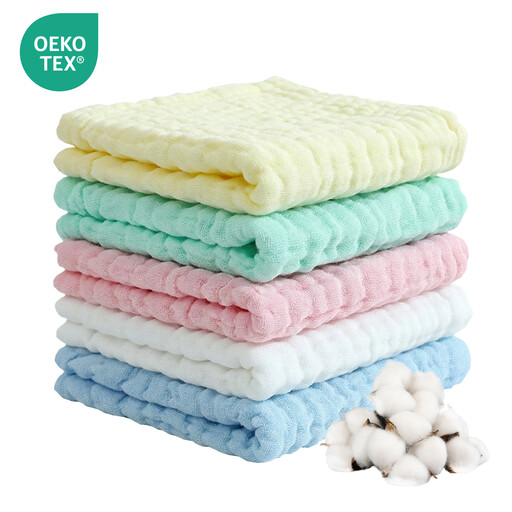
Why This Fits Their Persona: Ideal for parents-to-be who need a functional foundation for their newborn essentials. This multipack offers great value, and the cloths are immediately ready for use as burp cloths, face cloths, or washcloths.
The product description explicitly mentions a six-layer design, which bypasses the pitfall of a cloth that is too thin and not absorbent. It's 100% cotton that gets softer with every wash.
High absorbency thanks to the thick structure. The cloths dry quickly and are reusable, making them practical for daily use.
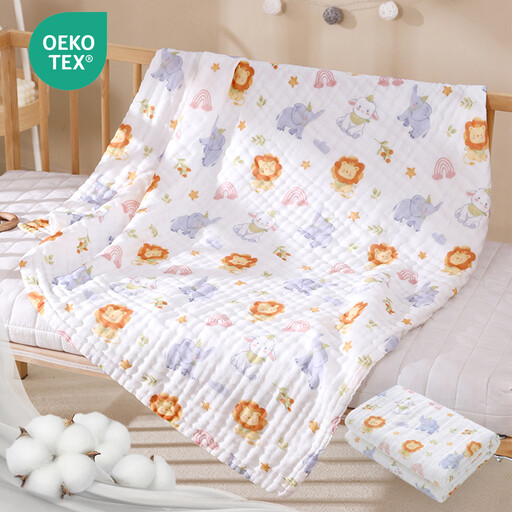
Why This Fits Their Persona: For those seeking a complete and comfortable set for after bath time. This set combines a large baby towel with a smaller face cloth, both of which are soft and absorbent.
The dimensions are clearly specified: a large 70x140 cm baby towel and a smaller 25x50 cm one. This avoids the pitfall of an impractical size. The six-layer cotton guarantees softness and functionality.
A complete bath set in one. The large towel is perfect for fully wrapping a baby, while the smaller cloth is handy for the face or hands.
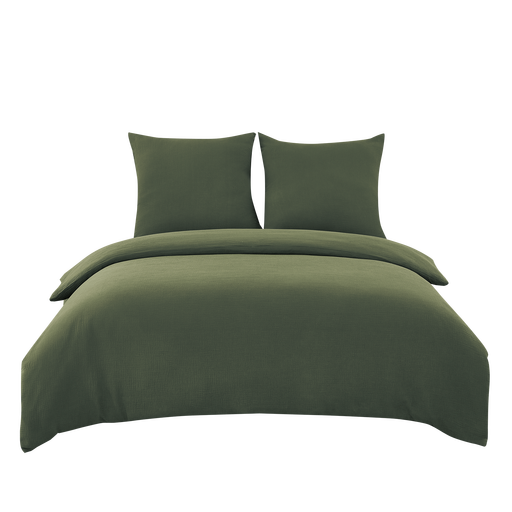
Why This Fits Their Persona: For those who want to experience the soft, breathable feel of muslin in their own bedroom. This duvet cover offers the comfort of hydrophilic cotton in a stylish design for adults.
This product delivers exactly what it promises: a cotton bedding set made of double gauze. The natural, crinkled texture is a feature of the fabric, not a marketing gimmick. No ironing needed.
Exceptionally breathable, which helps you sleep comfortably all year round without sweating. The fabric is naturally soft and has a stylish, casual look.
We have compiled a complete, up-to-date list of products that fully meet these strict selection criteria and safety regulations.
A good guideline is to start with 10 to 15 smaller cloths (around 70x70 cm or smaller) for daily use as a burp cloth, face cloth, or changing mat liner. Supplement this with 3 to 5 large cloths (around 70x140 cm) that you can use as a towel or a light blanket.
Wash the cloths at a maximum of 40°C (104°F). It's best to avoid fabric softener, as it leaves a residue on the fibres that reduces absorbency. Tumble drying on a low temperature can make them extra soft, but air drying is also fine and helps prevent shrinkage. A major advantage of hydrophilic cotton is that it naturally gets softer with every wash.
In practice, these terms are often used interchangeably for the same lightweight, woven cotton fabric.
