
Vandaag of morgen in huis

Kwaliteit gegarandeerd

Welkomstaanbiedingen ontgrendelen: GRATIS bezorging | Tot 80% korting | Gratis 30 dagen JoyPlus-proefperiode
Download de app
Newborns quickly get through several cloths a day. Keeping one by the changing table, in the changing bag, near feeding supplies and in the bathroom is far from excessive. However, muslin cloths for babies can vary considerably in material, size, thickness and care requirements.
Marketing terms such as “extra soft” or “maximum absorbency” do not say much on their own. Instead, focus on measurable features: the fibre composition, number of layers, dimensions and washing instructions. This helps you avoid buying a set that is too small, dries slowly or loses its shape after just a few washes.
A budget pack containing lots of cloths may seem appealing, but the size determines what you can use them for. A cloth measuring around 25 x 50 cm is handy as a muslin bib or for taking out and about. For drying your baby after a bath, you need more coverage, such as 70 x 140 cm.
Not every cotton cloth feels the same. Pay attention to the difference between a thin single layer and a six-layer muslin cloth. More layers can absorb more moisture, but they also make the cloth thicker and potentially slower to dry. The right choice therefore depends on how you intend to use it.
Muslin cloths are washed frequently. In practice, a product with complicated washing instructions can be inconvenient. Check the recommended temperature in advance, whether bleaching is permitted and whether the cloth can go in the tumble dryer. For the cotton cloths selected below, the product information specifies machine washing at 40 °C; air drying is recommended to help limit shrinkage.
100% cotton is a popular material for baby muslin cloths, cotton muslin bibs and washable baby cloths. It is breathable and suitable for a range of everyday uses. The product description should clearly state what the cloth is made from. A term such as “natural” without a fibre composition gives you less useful information.
For damp cleaning, you could also consider 100% cotton baby tissues. These are not reusable cloths, but individual cotton tissues for a quick nappy change or clean-up. According to the product description, the Purcotton tissues are intended for dry and wet use and contain no perfume, alcohol, fluorescent whitening agents or fabric softeners. Do not flush them down the toilet.
A six-layer cloth consists of several layers of cotton, making it thicker than a standard thin muslin cloth. According to their product descriptions, the LEBONSOIR and models mentioned are six-layer, reusable and intended to serve as absorbent muslin bibs. The manufacturer also states that the cloths may become softer after repeated washing. This is a manufacturer’s product claim, not a guarantee for every user.
For milk feeds and spit-up, cloths measuring 25 x 50 cm or 30 x 50 cm are practical. They provide enough coverage to wear over your shoulder and fit easily in a changing bag. For bath time, a larger baby muslin bath towel makes more sense. Check that the pack actually includes a bath towel, as some sets combine one large cloth with one smaller towel.
A useful guide:
Also consider the colour. White cloths make stains easy to spot and suit a straightforward washing routine. Coloured or printed baby cloths are useful if you want to keep different uses separate.
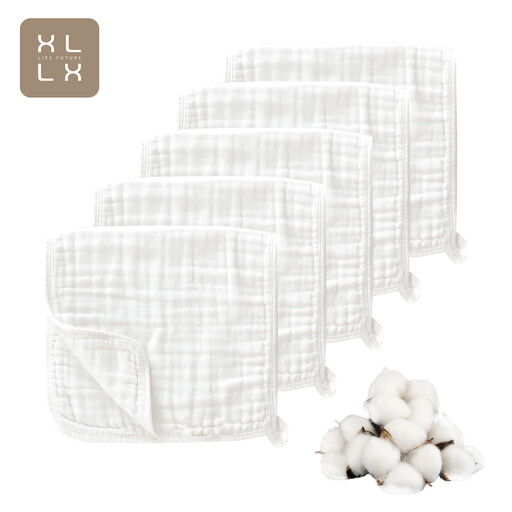
Why it suits this profile: The set contains five white cloths measuring 30 x 50 cm. This provides a straightforward starting set for feeding, changing and carrying in the changing bag.
The size is clearly stated and the set consists of reusable six-layer cloths, not unspecified individual tissues.
100% cotton, five pieces and a six-layer design according to the product description.
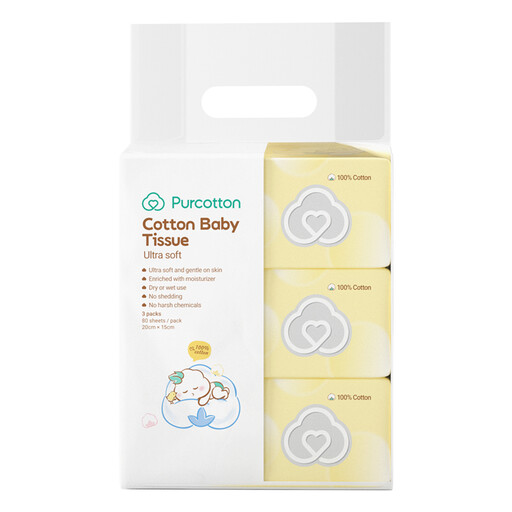
Why it suits this profile: This pack is aimed at parents who want a disposable dry or wet option alongside washable cloths for days out and quick care routines.
The fibre composition and intended use are clearly described. This means you know that these are tissues, not reusable muslin nappies.
100% cotton, 240 sheets and suitable for dry and wet use according to the product description.
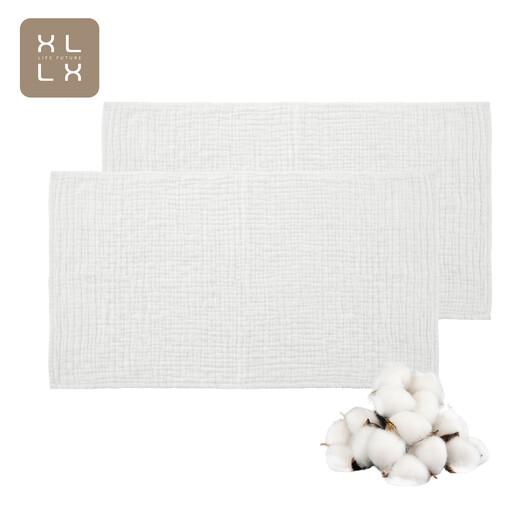
Why it suits this profile: The set contains two large cotton baby towels measuring 70 x 140 cm, designed for bath time and drying.
The large size prevents you from trying to use a small muslin bib as a bath towel. The composition and washing instructions are stated.
Two large cloths measuring 70 x 140 cm, made from 100% cotton and described as six-layer in the product information.
We have put together a complete, up-to-date list of products that fully meet these strict selection criteria and the applicable European safety regulations.
Wash new cloths according to the label before using them for the first time. Separate white and coloured cloths if colour transfer is a concern. For the sets mentioned, the product information recommends:
Always check the temperature of a cloth before it comes into contact with your baby’s skin. Keep textiles away from sources of fire, too. Use a cloth that is visibly clean, dry and undamaged. Keeping a regular supply to hand helps: store a few cloths by the changing table, several in the bathroom and at least one set in the changing bag.
That depends on how often you do the washing and what you use them for. For a newborn baby, around ten to fifteen small cloths is a practical supply, supplemented by one or two larger cloths for bath time. If you feed frequently or change your baby regularly, keeping a larger supply can save time.
Muslin nappies are generally larger and versatile, for example as a lightweight cloth, changing mat or swaddle. Cotton muslin bibs are smaller and mainly designed to catch moisture and milk. Always check the dimensions, as retailers use these names differently.
Follow the care label for the specific product. For the LEBONSOIR and cloths mentioned, the instructions recommend avoiding the tumble dryer to help limit shrinkage. Air drying takes a little longer, but is in line with the stated care advice.
