Who is this choice relevant to?

Evening recital viewer

Usually watches in dim lighting and wants to see stage scenes with convincing contrast. The sound of the specific TV also matters; the Dutch Consumers’ Association (Consumentenbond) assesses TV sound using classical music, among other things.

Music lover with an audio system

Factors sound quality or a connection for existing audio equipment into their choice. Check that the connections on the TV and audio system are compatible.

Viewer in a bright living room

Sometimes watches in daylight or with the screen opposite a window, so wants to compare the brightness and reflections of individual models. RTINGS emphasises that brightness and reflection handling are separate characteristics.

What should you consider when choosing?

OLED TV

Suitable for: mainly watching in dim lighting, with a particular focus on dark stage scenes.

Bear in mind: daylight performance varies by model; if you display static images for long periods, also consider the risk of burn-in described by RTINGS.

Mini-LED LCD TV

Suitable for: a viewing space where daylight or reflections are often a factor; RTINGS says mini-LED models are often better suited to bright rooms.

Bear in mind: check black levels, reflections and sound for each model too; screen technology alone does not determine how a recital looks or sounds.

Factor What should you check? Who should give this more weight?
Dark stage scenes Compare contrast and uniformity tests using scenes similar to what you watch. If dark backgrounds and illuminated performers matter to me, I compare picture quality in dim lighting. Around 36% of consumers prioritise the stage picture.
Music sound and connections Check a listening assessment of the exact model and make sure both the TV and audio system have HDMI-ARC/eARC. If I want to hear the recital through the TV or my existing audio equipment, I check the sound quality and connections. Around 29% of consumers prioritise music sound.
Visibility in daylight Compare brightness and reflection-handling measurements or tests, and consider the position of windows and lamps. If daylight sometimes falls on the screen, I want to know whether the picture will remain clear in my room. Around 21% of consumers prioritise visibility in daylight.
Size and placement Measure your viewing distance and available space, and check the screen size and connections you need. I want the TV to suit my seating distance and space, without overlooking the connections for my devices. Around 14% of consumers prioritise size and placement.

Buying pitfalls

  • Choosing a screen without considering recital sound

    A convincing picture does not automatically mean the built-in speakers sound good. The Consumentenbond assesses picture and sound separately, and its listening test includes classical music.

    Compare the listening assessment for the exact model and check the connections if you want to use existing audio equipment.

  • Assuming high brightness means fewer reflections

    Brightness can help in ambient light, but it does not necessarily eliminate distracting reflections.

    Compare these two characteristics separately and check where windows and lamps are positioned in relation to the TV.

  • Treating a similar model code as the same product

    A small change to the full model code may mean you are looking at a different version. For example, the OLED55C51LA has not been confirmed as the same Dutch version as the OLED55C55LA.

    Compare the full model code and relevant specifications before matching a product listing to a TV that has been reviewed.

  • Confusing the manufacturer’s warranty with your full statutory rights

    In the Netherlands, statutory consumer rights are separate from any manufacturer’s warranty; there is no simple fixed two-year limit for statutory rights.

    Check what any additional warranty actually covers and contact the retailer if there is a fault.

Brands to consider

Sony

The BRAVIA 8 II K-55XR8M2 is an OLED model to consider if you want to assess picture quality and built-in audio technology together.

  • Sony lists Acoustic Surface Audio+ and eARC/ARC for this model.
  • Specifications do not tell you how a recital will sound; compare the sound and reflections for this specific version separately.

Samsung

The QE55QN90FATXXN is a mini-LED model to compare if daylight is a factor.

  • Samsung lists Glare Free for this model.
  • This brand claim does not guarantee that a window will not cause distracting reflections; compare the brightness and reflections of the exact version.

Philips

According to Philips, the 55OLED810/12 combines OLED with Ambilight, making it worth considering if you also want to factor in the lighting around the screen.

  • Ambilight is a feature of this model version.
  • Ambilight does not tell you how music will sound; check the connections and sound quality of the exact version. Do not confuse OLED810 with the different MLED810.

LG

The OLED55C55LA is an OLED model whose picture and sound you can assess separately.

  • LG describes this version as having a brighter picture and deep blacks; these are manufacturer claims.
  • The OLED55C51LA has a different full model code and has not been confirmed here as identical.

TCL

The 55C6K is a QD mini-LED model with an ONKYO 2.1 system, according to TCL.

  • The stated speaker configuration is a specification of this model.
  • That configuration does not prove how a recital will sound. The 55Q6C has a different model code and has not been identified as the same Dutch version.

Joybuy products for this viewing occasion

This selection includes OLED TVs to compare for viewing in dim lighting, and mini-LED TVs for situations where daylight is a factor. Also assess the sound, reflections and connections of each model.
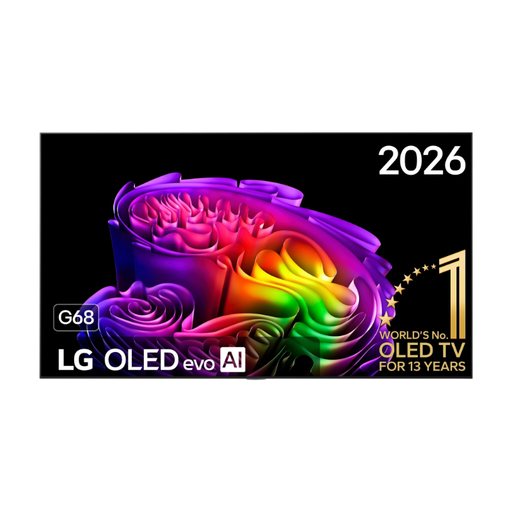
OLED77G68LW TV

OLED77G68LW

Its 4K OLED specification makes this model worth comparing for viewing in dim lighting.

4K OLED; HDMI eARC.

Joybuy
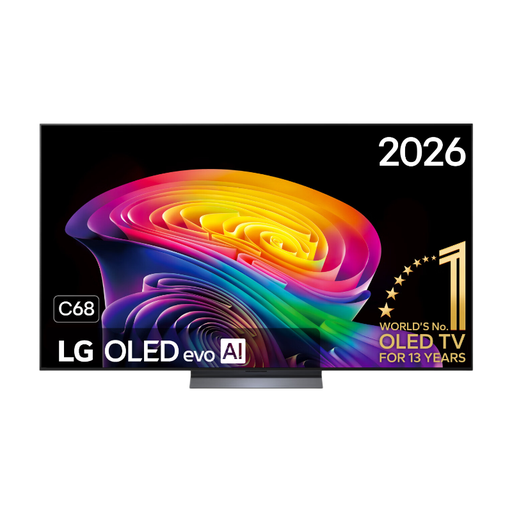
LG OLED65C68LA 65-inch 4K OLED TV

LG OLED65C68LA, 65 inches

This 4K OLED version is worth comparing for recital pictures in dim lighting.

65 inches; 4K OLED; 2.2-channel audio system; Dolby Atmos; HDMI eARC.

Joybuy
LG OLED55C68LA 55-inch 4K OLED TV

LG OLED55C68LA, 55 inches

This 4K OLED version is worth comparing for recital pictures in dim lighting.

55 inches; 4K OLED; 2.2-channel audio system; Dolby Atmos; HDMI eARC.

Joybuy
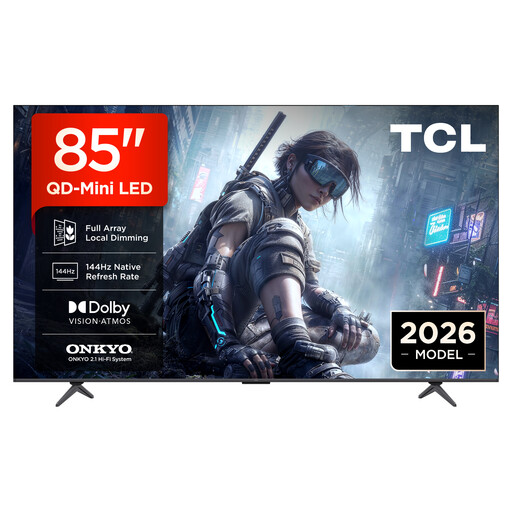
TCL T8D 85-inch 4K QD mini-LED TV

TCL T8D, 85 inches, 4K QD-Mini LED

This mini-LED version is worth comparing when daylight is a factor; check the brightness and reflections of the exact model.

85 inches; 4K QD-Mini LED; Onkyo 2.1 Sound; HDMI 2.1.

Joybuy
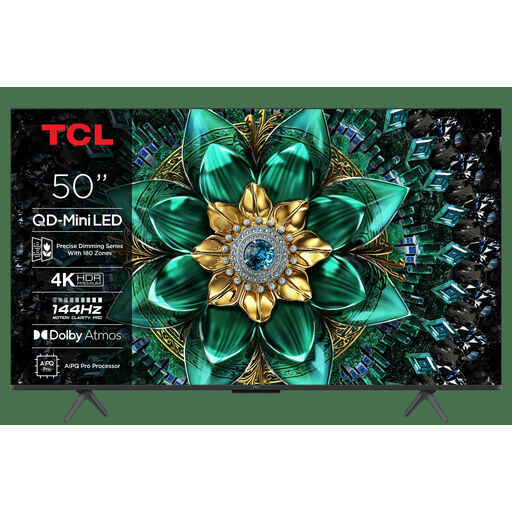
TCL 50Q6C 50-inch 4K QD mini-LED TV

TCL 50Q6C, 50 inches, 4K QD-Mini LED

This mini-LED version is worth comparing when daylight is a factor; check reflections for each model too.

50 inches; 4K QD-Mini LED; Onkyo 2.1 audio system; Dolby Atmos; 144 Hz.

Joybuy

Frequently asked questions

Is OLED or mini-LED the better choice if you mainly watch in the evening?

Compare OLED if you usually watch in a dim room, and give mini-LED closer consideration if daylight and reflections are often a factor. Then assess the exact model for both picture and sound; screen technology alone does not determine performance.

Can you connect your existing soundbar or audio system?

That depends on the connections and features of both devices. HDMI-ARC or HDMI-eARC can send TV sound to a connected system; before you buy, check which port and features the TV and audio system support.

How should you set up your TV for a recorded recital?

Use a familiar scene with both dark and light areas to assess the picture settings. If slow camera movements look jerky or too smooth, adjust the motion processing to suit your preference.

How do you compare TV energy consumption?

Compare the EU energy label for the exact screen size and version. According to the European Commission, the label includes energy consumption for SDR and HDR viewing; do not estimate your personal annual consumption from the energy class alone.

What are your rights if the TV develops a fault or you buy it online?

In the Netherlands, if a fault is covered by statutory consumer rights, you can contact the retailer; according to the Dutch government and the Netherlands Authority for Consumers and Markets (ACM), there is no simple fixed statutory two-year limit. For an online purchase, you generally have a statutory cooling-off period of up to 14 days after delivery, subject to applicable exceptions.
