
Music producer with active DAW projects
If you use lots of audio files during a session, you’ll need to decide which files to keep locally and which to store on the NAS. Ableton warns that storage access speed can limit Live’s performance.


For active music projects, a NAS is best used for shared storage, archiving or back-ups alongside your local working drive. Before working directly from a NAS, test it with your own DAW, project and network. Keep active files locally if disk access could limit your DAW’s performance. Then choose a storage configuration to suit your archive and plan a separate back-up: RAID alone is not a back-up.
If you use lots of audio files during a session, you’ll need to decide which files to keep locally and which to store on the NAS. Ableton warns that storage access speed can limit Live’s performance.
Plenty of usable space matters for completed sessions and earlier versions. The National Cyber Security Centre recommends keeping back-ups in different locations, so consider storage capacity alongside a separate back-up destination.
If you want to access projects from more than one computer, check that all the media you use has been included and that your software and access permissions are set up correctly. Ableton points out that audio files and plug-ins can also be stored outside a Live Set.
Best if: you want to run active sessions from your workstation and use the NAS for shared storage, archiving or back-ups.
Bear in mind: you’ll need to keep track of which version is current and arrange a separate, restorable back-up.
Best if: access from multiple computers is important and your DAW, project files and network connection work well with your set-up.
Bear in mind: your workflow depends on the NAS connection and availability. Test a representative session before moving any files.
First decide where you’ll run active projects; then work out how much archive space you need and where to store your back-up.
| What to consider | What should you check? | Who should consider this? |
|---|---|---|
| Restoring projects | Check that you can back up to a separate destination and restore a project folder containing samples. | I want to be able to restore a session after data loss or a mistake, not just have a second copy on the same NAS. Around 33% of consumers put recoverability first. |
| Usable storage space | Add up your existing project folders and expected growth; check whether drives are included and which drives are compatible. | As my archive grows, I want to know how much space my chosen configuration really offers and what I can add later. Around 27% of consumers prioritise storage space and expandability. |
| Active DAW workflow | Test one of your own projects from the NAS and check that the NAS, workstation and network support the connection you need. | During an active session, I don’t want to rely on a storage connection that gets in the way of my workflow. Around 20% of consumers prioritise where active projects are stored and how they can access them. |
| Using multiple computers | Gather the media you use with your DAW’s feature and check access and permissions on the other computer. | When I switch between computers, I want the project to open with all the media it needs. Around 20% of consumers prioritise access to complete projects from multiple computers. |
Disk redundancy can help if a drive fails, but the National Cyber Security Centre stresses that RAID is no substitute for a back-up.
As well as your NAS, keep a back-up somewhere else and check that you can restore a project folder.
A NAS enclosure may be sold without HDDs. The number of drive bays and the storage configuration you choose both affect how much space you can use and how you can expand it later.
Compare complete configurations and check whether the drives you want to use are compatible with each model.
Remember to factor in separate drives and storage for an independent back-up destination.
A quoted port speed doesn’t prove that your own DAW project will run directly from the NAS without interruptions. Ableton cites storage access speed as a potential limitation for Live.
Test a representative session with your full network set-up, and keep active files locally if that suits your workflow better.
Depending on your set-up, you may also need a suitable local working drive or additional network equipment.
A project may refer to audio files, samples or plug-ins stored outside the project folder, which may not be available on another computer.
Gather the media you use with your DAW’s feature and test the moved project folder. For this, Ableton recommends ‘Collect All and Save’ in Live.
Makes NAS enclosures for central storage, with models offering different numbers of drive bays.
The TS-264 is a two-bay NAS worth comparing if network ports and separate SSD options matter to you.
The DRIVESTOR 2 Pro Gen2 (AS3302T v2) is a two-bay model with 2.5 GbE, for comparing network and software features too.
The NASync DXP2800 is a two-bay option for central storage.
WD Red Plus is a range of internal NAS hard drives for an existing or new NAS enclosure.
These products are suitable for adding drives to an existing NAS or using a NAS for central project storage.
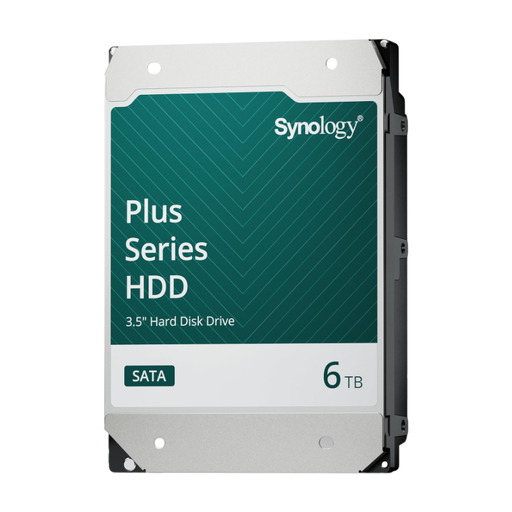 Image unavailable
For expanding an existing NAS if you have a compatible Synology enclosure.
SATA HDD, 6 TB. Check that the drive and drive tray fit your NAS model.
 Image unavailable
For central storage and network access to project files, if your DAW and connection suit this way of working.
Hard drives aren’t included; check which drives are right for your configuration.
 Image unavailable
For expanding an existing NAS if you have a compatible Synology enclosure.
SATA HDD, 16 TB. Check that the drive and drive tray fit your NAS model.
 Image unavailable
For shared storage and synchronising project files, if these features suit your workflow.
Compatible hard drives are required for installation and set-up.
 Image unavailable
For storage in an existing NAS if you have a compatible 3.5-inch drive bay.
6 TB, 256 MB cache. Check compatibility with your NAS manufacturer.
It depends on your DAW, project files and network connection. Ableton warns that disk access can limit Live’s performance, so test a representative project first. Apple’s option to store the Logic Pro Sound Library on a network drive isn’t a general performance guarantee for complete projects or other DAWs.
Move the entire project folder and, where available, use your DAW’s feature for gathering the media you’ve used. For Ableton Live, the manufacturer recommends ‘Collect All and Save’ to store used samples in the project folder. Then open a copy to check that all the necessary files are there.
No. The National Cyber Security Centre makes clear that disk redundancy is no substitute for a back-up. Keep back-ups in different locations and check that you can actually restore a project.
Check whether the enclosure is sold without drives and whether your chosen HDDs or SSDs are compatible. Also plan storage for a separate back-up destination; the right configuration depends on your existing NAS, project archive and workflow.
Yes. Files containing information about an identified or identifiable person may be personal data. The Dutch Data Protection Authority distinguishes between use that is exclusively personal or domestic and professional or commercial use. So the fact that files are stored at home doesn’t by itself determine whether the GDPR applies.