
Cook who blends in the pan
You’ve already cooked the soup and want to avoid moving the hot contents. A hand blender suits this approach, as long as the instructions and the pan allow it.


If you want to blend already-cooked mushroom soup without transferring it, a hand blender is usually the best fit. A jug blender may suit you if a smooth result and several portions are priorities, but check that the exact model is suitable for the soup’s temperature and quantity. A soup maker is worth considering if you also want to cook in the appliance; check its usable capacity per batch.
You’ve already cooked the soup and want to avoid moving the hot contents. A hand blender suits this approach, as long as the instructions and the pan allow it.
You want to know whether the usable capacity per batch is enough, and are happy to make several batches if needed. With a jug, check the difference between its total and usable capacity.
You’re looking for an appliance that heats the ingredients and then blends them. Check its programmes and whether the permitted quantity suits your recipe.
Consumentenbond describes blending in the pan as a straightforward approach, while a jug blender is an option for a result that’s often smooth. For hot soup, always follow the instructions for the exact model.
A good fit if: the soup is already in a suitable pan and you don’t want to transfer it.
Trade-off: you don’t need a separate blender jug, but blending for longer or sieving may be necessary for an extra-smooth result.
A good fit if: a smooth result and a jug that can handle several portions matter to you, and the model is suitable for the temperature and quantity.
Trade-off: transferring the soup and cleaning the jug add extra steps; there may also be model-specific restrictions when blending hot contents.
A good fit if: you want to cook and blend ingredients in the same appliance.
Trade-off: usable capacity varies by model, so you may need to make several batches for a group.
| What to consider | What to check when buying | Who is this important for? |
|---|---|---|
| Blending in the pan | Check the model’s instructions for using it with hot food, and make sure the blender foot and pan are suitable. Keep the blender foot below the surface of the soup while blending. | If I’ve already got the soup in the pan and want to avoid transferring it, safe and easy blending is my main concern. Around 36% of consumers in this situation prioritise blending in the pan. |
| Quantity per batch | Compare the usable capacity with the volume of your recipe and decide whether making several batches is acceptable. | When I’m making a meal for several guests, I want to know how much soup the appliance can hold at a time. Around 29% of consumers prioritise having enough capacity per batch. |
| Combining cooking and blending | Check whether the exact model has a suitable cooking programme and what filling quantity is permitted. | If I want to cook and blend ingredients in the same appliance, the programmes and quantity per batch are key. Around 21% of consumers prioritise this combined approach. |
| Extra-smooth texture | Check that the jug is suitable for the temperature of the soup and that your desired volume is within the recommended filling limit. | If I’m mainly looking for the smoothest soup possible, I weigh that against transferring the soup and the extra cleaning. Around 14% of consumers prioritise texture. |
The Tefal Perfectmix Cook BL83SD30 has a total capacity of 2 litres and a usable capacity of 1.75 litres. These figures aren’t the same, so your recipe may allow for less soup per batch than the total capacity suggests.
Compare the usable capacity of the exact model with the amount of soup you want to make.
Instructions vary by model. Philips specifies cold or room-temperature liquids for some models, while for other models it recommends cooling the contents to below 60 °C first. Hot splashes and steam can also cause burns.
Follow the instructions for your exact appliance and cool the soup first if they say to.
A hand blender blends soup directly in the pan; with a jug blender, you’ll need to transfer it. A heated blender or soup maker can combine cooking and blending, but its usable capacity still determines how many portions you can make per batch.
First decide whether you only want to blend cooked soup or also cook it in the appliance. Then compare capacity and cleaning instructions.
ErgoMixx hand blenders are worth considering if you want to blend soup directly in the pan; the MSM64010 is one specific model to look at.
The MultiQuick 7 MQ7000X is a hand blender to compare if you want to control the speed while blending.
The Perfectmix Cook BL83SD30 is a heated blender for anyone who wants to make soup in a jug and prepare cold recipes too.
The SoupMaker HR2203/80 has programmes for thin and thick soups, among other options.
The MX-HG4401 is worth comparing if you’re looking for a heated blender with a soup programme.
This selection includes hand blenders for blending in the pan and blenders for making soup in a jug. Pay particular attention to the temperature instructions and compare the usable capacity with your recipe.
 Image unavailable
The detachable blender foot is designed for soup you blend in the pan; check the instructions for hot ingredients.
The set includes a detachable stainless steel blender foot, two blades and a turbo function.
For hot ingredients, the product description recommends using a heat-resistant bowl and small portions.
 Image unavailable
The jug may suit blending soup, provided the temperature and quantity are within the limits specified for this model.
The product description lists a heat-resistant glass jug with a usable capacity of 1.5 litres.
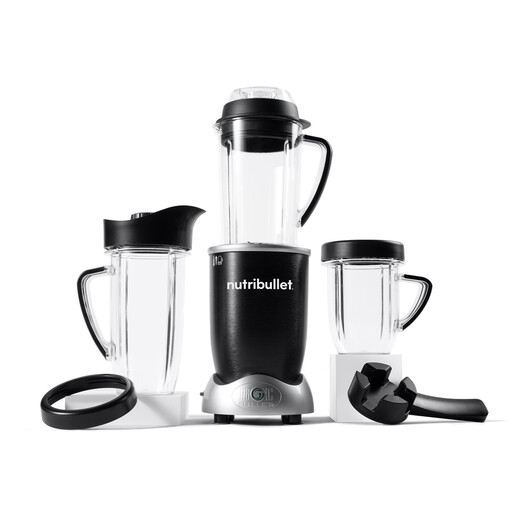 Image unavailable
The soup programme described combines heating and blending; compare the jug’s capacity with the amount of soup you need.
The product description lists a 1-litre jug for making soup and a two-part vented lid for hot ingredients.
 Image unavailable
The hand blender design is suited to blending in a suitable pan; follow the instructions for use with hot soup.
The product description lists 20 speeds, a turbo function and a splash-proof design.
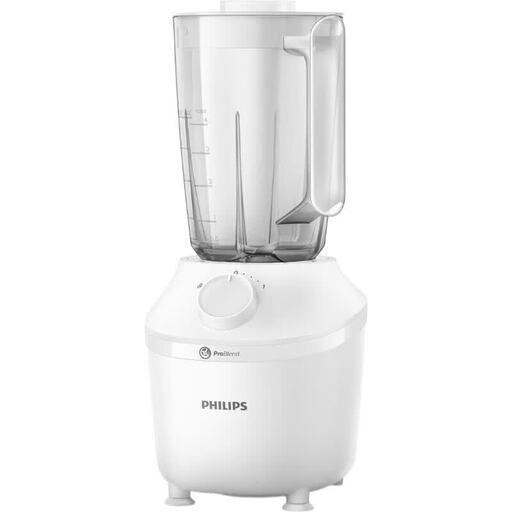 Image unavailable
This jug may suit soup that has cooled to the temperature limit stated in the product description; compare its capacity with your recipe too.
The product description lists a total jug capacity of 1.9 litres and an effective capacity of 1 litre.
According to the product description, don’t process ingredients hotter than 60 °C. Larger quantities may need to be blended in several batches.
No. The permitted temperature varies by model. Philips specifies cold or room-temperature liquids for the HR3756/00, HR3752/00 and HR3868/00 models; for the HR2512/90, HR2511/90 and HR2510/90, Philips recommends cooling the contents to below 60 °C first. Follow the instructions for your exact model, and don’t treat 60 °C as a general limit for all blenders.
Follow the model-specific instructions for the lid, filling quantity and speed, and take care around hot splashes and escaping steam. The Vitamix manual consulted says to unplug the appliance before removing parts or cleaning it; consult the manual for your own appliance.
According to Voedingscentrum, cool leftovers quickly and cover and refrigerate or freeze them within two hours of cooking. This is food storage advice, not a feature of the blender.
Yes. Applicable European rules apply to electrical appliances placed on the market. Ondernemersplein outlines, among other things, manufacturers’ obligations around CE marking and an EU declaration of conformity. A listing in an online shop alone doesn’t prove that a specific item complies with the rules.
No. Statutory consumer rights in the Netherlands apply alongside a manufacturer’s or seller’s guarantee. ACM ConsuWijzer explains that if a product breaks sooner than you could reasonably expect under normal use, the seller is responsible for providing an appropriate solution.