
Vandaag of morgen in huis

Kwaliteit gegarandeerd

Welkomstaanbiedingen ontgrendelen: GRATIS bezorging | Tot 80% korting | Gratis 30 dagen JoyPlus-proefperiode
Download de app
Looking for the perfect mushroom sauce to elevate your dish? The shelves are packed, from thick, savory sauces to thin, dark soy sauces. But which one is right for your stir-fry, rice, or noodles? Many jars promise an authentic flavor but don't always deliver what you expect. Before you toss a random jar into your cart, it's wise to know a few common pitfalls.
Many consumers fall into two traps:
mushroom soy sauce for your rice when you were actually looking for a thick, hearty sauce for rice with chunks. Or vice versa: you add a dollop of thick sauce to your broth, making it cloudy and heavy.This guide will help you make the right choice by focusing on what really matters: the product's specifications.
To avoid a bad purchase, it's helpful to focus on three key points. These will determine if a sauce is suitable for your kitchen.
Not all mushroom sauces are created equal. The texture largely dictates its application.
mushroom soy sauce or a wok sauce. These liquid sauces are ideal for marinades, adding color to stews (like Babi Pangang), or as a base for a light stir-fry. They mix easily and provide a deep, salty umami flavor.vegetarian oyster sauce. These sauces have a viscous texture, perfect for coating vegetables and tofu in a stir-fry with a glossy finish. They are often slightly sweeter and less salty than the thin varieties.shiitake sauce or Chinese mushroom sauce contains clearly visible chunks of mushroom in oil. It's a ready-to-use condiment that you can spoon directly over rice, noodles, or even on a sandwich. Less suitable for cooking with, but an excellent tabletop addition.A quick glance at the ingredients list tells you the whole story.
umami sauce, while straw mushrooms have a more subtle flavor. The choice depends on your personal preference.Mushroom sauces vary greatly in taste.
vegetarian oyster sauce substitute.spicy sauce provides a tingling heat characteristic of Sichuan cuisine.Below is a selection of products tailored to different user profiles and cooking styles.
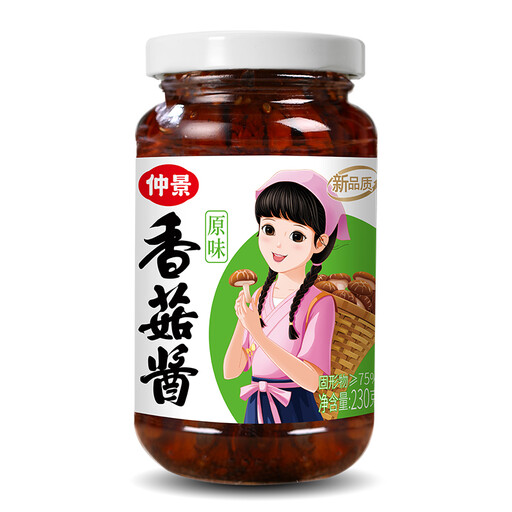
Why This Fits Their Persona: Ideal for a quick and flavorful meal after a busy day. This sauce is ready-to-use and can be spooned directly from the jar over rice, noodles, or steamed vegetables for an instant flavor boost.
This sauce avoids the "flavoring" trap with a shiitake content of ≥70%. You taste real, meaty chunks of mushroom, not an artificial flavor.
Ready to eat, no preparation needed. The mild, savory flavor is accessible to the whole family.
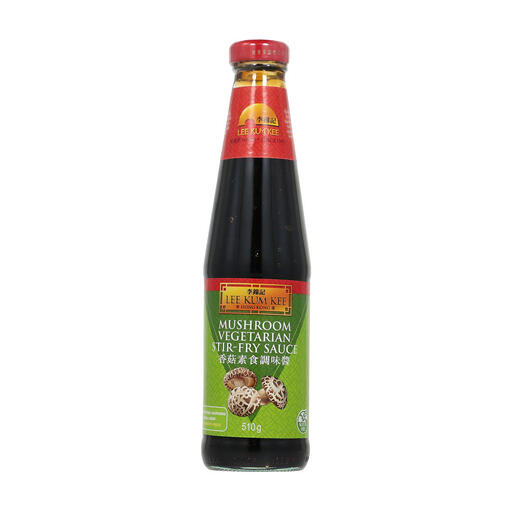
Why This Fits Their Persona: Perfect for vegetarians and vegans who miss the deep umami flavor of oyster sauce. This sauce is specially designed as a plant-based alternative, providing the same savory depth to stir-fries, marinades, and noodles.
This product prevents the texture mismatch. It is clearly a thick, bound stir-fry sauce, not a thin soy sauce. Ideal for coating ingredients.
A direct and effective vegetarian oyster sauce substitute from a reputable brand. Versatile for stir-frying, braising, and dipping.
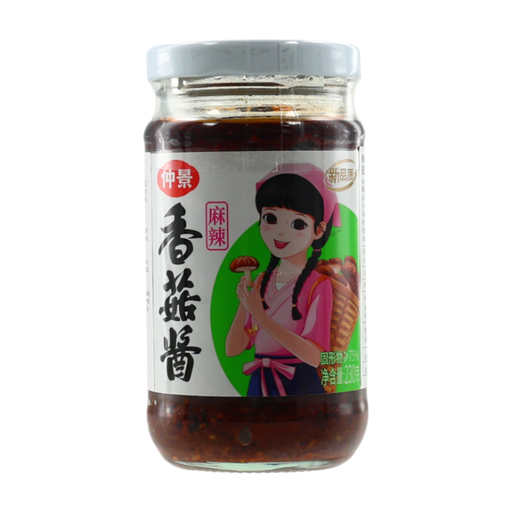
Why This Fits Their Persona: For those seeking more than just heat. This sauce delivers the authentic "mala" (numbing and spicy) sensation of Sichuan cuisine, combined with the earthy flavor of shiitake. A complex and exciting condiment.
This isn't a generic 'hot sauce.' The term "Mala" on the label specifies the unique flavor of Sichuan peppercorns, so you know exactly what kind of heat to expect.
Combines real mushroom chunks with an authentic Sichuan flavor profile. Versatile as a condiment for rice and noodles, or as a base for a spicy stir-fry.
We have compiled a complete, up-to-date list of products that meet these selection criteria and comply with current regulations.
While the terms are often used interchangeably, there's a practical difference. In Dutch cuisine, champignonsaus typically refers to a creamy, bound sauce made with a cream or broth base, often served with meat or pasta. Mushroom sauce, especially in the context of Asian cuisine, is a broader term that can refer to a mushroom soy sauce, an oil-based shiitake sauce, or a vegetarian oyster sauce.
This depends on the type. A mushroom soy sauce has a long shelf life in the refrigerator due to its high salt content, often several months. A Chinese mushroom sauce with chunks in oil should also be refrigerated after opening and is typically good for a few weeks to a month. Always use a clean spoon to extend its shelf life. To be safe, always consult the label.
Yes, absolutely. Many brands offer a vegetarian oyster sauce made from mushroom extract. These sauces, like the Lee Kum Kee Mushroom Vegetarian Stir Fry Sauce, mimic the thick texture and deep umami flavor of traditional oyster sauce and are an excellent choice for vegetarian and vegan dishes.
