
For guides practising their lines
You want to listen back to your pronunciation, pauses and speaking pace, passage by passage. OM SYSTEM lists shadowing for the WS-883, while Zoom describes A-B repeat for the H1essential.


For an evening rehearsal where you mainly want to listen back to your sentences and speaking pace, a simple voice recorder with suitable playback features is a sensible place to start. The OM SYSTEM WS-883, for example, has a shadowing function. If you move around while practising or want to position the microphone closer to your mouth, a handheld recorder with a microphone input, such as the Zoom H1essential, may be a better fit, although positioning still matters. Also check the storage and how you can listen back to recordings on the exact model.
You want to listen back to your pronunciation, pauses and speaking pace, passage by passage. OM SYSTEM lists shadowing for the WS-883, while Zoom describes A-B repeat for the H1essential.
You practise at a distance from the recorder or in a room with background noise, and want to assess the recording from your usual speaking position. A test recording can help you check the positioning in your own space.
You move around as you speak and want to check whether the controls, storage and, if needed, an external microphone suit the way you practise. A microphone input or remote control may be useful, depending on your setup.
For an evening rehearsal of your Dutch-language museum tour, the right choice depends mainly on what you want to improve and how you practise. Start with the feature you’ll actually use when listening back.
A good fit if: you want to record and listen back to short passages without using your phone.
Bear in mind: check which playback features the exact model offers. The features listed alone say nothing about how clearly you’ll be heard in your room.
A good fit if: you want to position an external microphone closer to your mouth or practise with varying voice levels.
Bear in mind: the Zoom H1essential requires a compatible microSD card, and positioning remains key to your test recording.
A good fit if: you want to control the recorder remotely while practising your presentation.
Bear in mind: check that the app works with your phone. App control isn’t essential for recording independently.
| What to consider | What to look for when buying | Who will value this? |
|---|---|---|
| Being able to hear your own voice clearly | Make a test recording from your usual speaking position and check that you can position the recorder suitably. See whether you need a microphone input. | I want to assess my voice clearly from my usual speaking position. Around 36% of consumers say clarity is their top priority. |
| Listening to passages again | Compare the features of the exact model, such as shadowing, A-B repeat or adjustable playback speed. | When I’m practising a tricky sentence or transition, I want to find it easily and repeat it. Around 29% of consumers prioritise being able to listen back to specific passages. |
| Recording without a phone | Check for internal memory, any card requirements and how you can play back recordings on the device or through headphones. | I want to be able to record and listen back straight away during a short rehearsal, without first using a phone. Around 21% of consumers prioritise standalone recording. |
| Practising while walking | Try out your planned route and check whether you need an external microphone or remote control. Check the connection and phone compatibility. | When I practise my route as I walk, I want a setup that suits the movement. Around 14% of consumers prioritise freedom of movement while recording. |
A recording format won’t tell you whether you can assess your voice clearly from your chosen position in the room.
First, make a test recording from your usual speaking distance. Then compare the recording features.
The H1essential records to microSD, while the WS-883 and Sony ICD-PX470 specify internal memory. A compatible memory card may be needed for a model that records to microSD.
Check the storage requirements and what’s included with the exact model before you start your first rehearsal.
The Government of the Netherlands explains that there is no fixed statutory warranty period in the Netherlands and that you can contact the seller if a product is faulty. A manufacturer’s or seller’s warranty is not the same as your legal rights.
Keep your proof of purchase and check the warranty terms as an addition to—not a replacement for—your rights if a product is faulty.
The WS-883 is a voice recorder for standalone recording and focused language practice.
The ICD-PX470 is a compact option for recording and listening back to speech without a phone.
The H1essential is a handheld recorder for anyone considering a different microphone setup as well as listening back to recordings.
The DVT4115 is a rechargeable voice recorder for anyone who wants the option of controlling it remotely using a phone.
The DR-05X is an example of a handheld recorder with adjustable recording features, but it’s a discontinued model.
This selection includes portable voice recorders for making your own practice recordings, with differences in storage and the recording or playback features listed. Check how you can listen back to recordings on each model and whether any features suit your rehearsal.
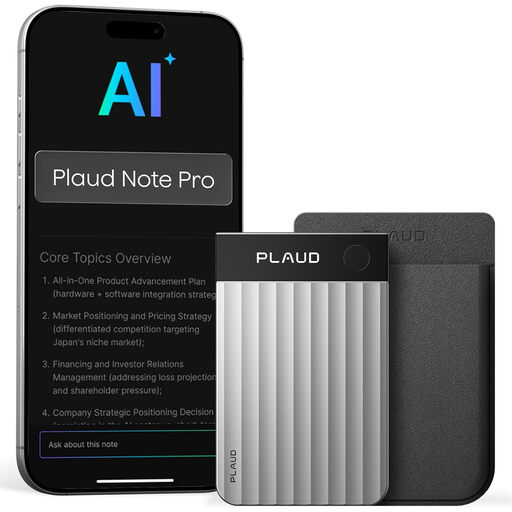 No image available
An option to compare if you want to make your own practice recording. Check beforehand how you can listen back to recordings and which features you can use without a phone.
The product name describes a silver voice recorder.
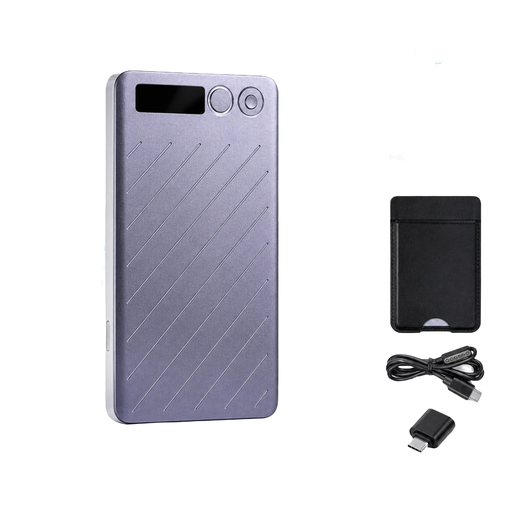 No image available
Worth comparing if you’re looking for a recorder for your own presentation. Check whether the playback method suits practising individual sentences.
The product name lists 64 GB of storage and a transcription function.
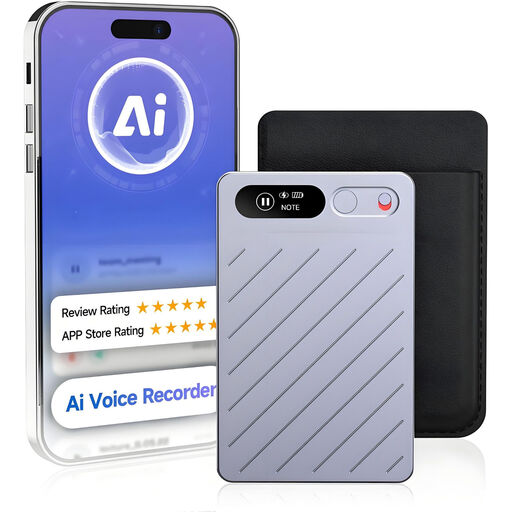 No image available
A model to compare for making your own recording. Check whether the listed features suit the way you practise and listen back.
The product name lists 64 GB of storage and transcription and summary features in 118 languages.
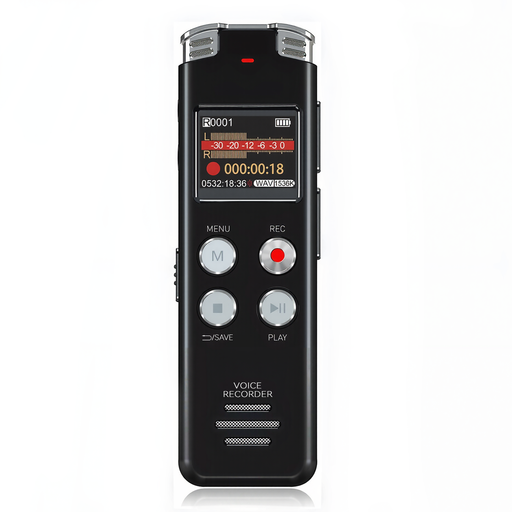 No image available
Worth comparing for your own practice recording. Check how you can listen back to recordings on this model before choosing it for a rehearsal.
The product name lists 128 GB of storage, an LCD screen and an ABS and aluminium alloy casing.
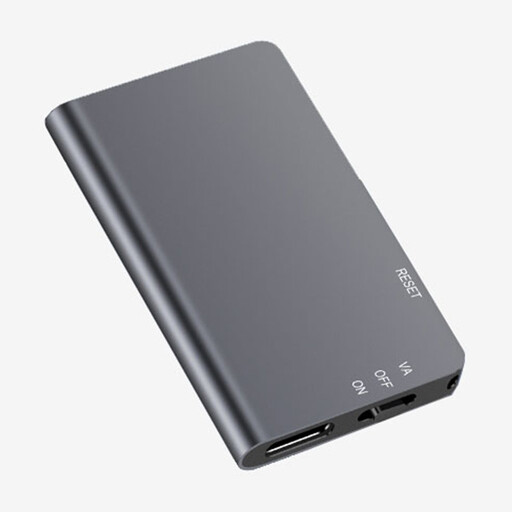 No image available
An option to compare if you want to record independently during a rehearsal. Check whether you can listen back to recordings on the recorder in the way you want.
The product name lists 64 GB of storage and one-touch recording.
Choose a playback feature that helps you find the passage and listen to it again. OM SYSTEM lists shadowing for the WS-883, while Zoom documents A-B repeat and speed control for the H1essential. These specifications don’t prove that one model will improve your pronunciation more than another.
It depends on the model: the Zoom H1essential records to microSD, while the WS-883 and Philips DVT4115 have internal memory. Check whether you need a memory card, make a short test recording and try playing it back before practising the full text.
In the Netherlands, you’re entitled to a product that works as it should, but there’s no fixed statutory warranty period. The Government of the Netherlands advises contacting the seller if a product is faulty. A manufacturer’s or seller’s warranty is in addition to your legal rights.
If you record identifiable visitors or colleagues, you’ll need to assess the applicable legal basis for processing personal data and the way you make the recording. Check the museum’s policy too. The Dutch Data Protection Authority notes that audio recordings in the workplace may be subject to privacy rules, including when they’re used to assess employees’ performance.