To edit website files and run a simple local preview, start with a laptop whose screen, ports and configuration suit your workspace and project tools. This workflow does not, by itself, require a dedicated graphics card. A local test server can run on your own computer, as MDN explains. If you use containers or other local services, check their system requirements separately and make sure your development tools work with the configuration you choose.
Who is this choice for?
Builder using local previews
You edit website files and want to view changes in a browser on your own laptop. First, work out whether a simple local server will do or whether your project needs a runtime. MDN explains how to set up a local test server. Microsoft Visual Studio Code distinguishes between editing in a browser and tasks that require a runtime or terminal.
Builder using local services
Your project actually uses containers or other services running locally. Check that the operating system and configuration meet the requirements of your development environment. Docker sets out separate installation requirements for Windows and Mac.
Collections manager who also builds
You view object records and images while building, and need to choose between a larger built-in screen and a portable laptop with an external display. Compare the specification, screen and ports of the specific model to make your choice.
What should you look for when choosing?
First, work out which development tools and preview your project actually needs. Then compare the screen layout, portability and ports with the space where you view collection records and images.
| What to consider |
What should you check? |
Who should give this more weight? |
| Editor and local preview |
Check the project tools, runtime, operating system and memory for the exact configuration. |
If I use my editor, browser and local preview at the same time, I want to know whether my project tools will work with the configuration. Consumers who prioritise preview account for around 28% of consumers in this choice breakdown. |
| Containers and local services |
Check whether the project uses Docker, then compare the installation requirements with the configuration you have chosen. |
If my project needs containers or other local services, I check those requirements before choosing a laptop. Consumers who prioritise compatibility with this kind of workflow account for around 22% of consumers in this choice breakdown. |
| Screen for collection images |
Compare screen size, resolution and ports; assess colour work separately if needed. |
If I want to view collection records and images alongside the preview, the available screen space matters. Consumers who prioritise screen space and image assessment account for around 17% of consumers in this choice breakdown. |
| Portability |
Compare the weight, screen size, charging setup and ports of the same configuration. |
If I travel between museum sites, I want to weigh up how much screen space I’m willing to carry. Consumers who prioritise portability between workplaces account for around 17% of consumers in this choice breakdown. |
| Power adapter and service terms |
Check what’s included in the box, which adapter you need, and the terms that apply to the seller and purchase. |
If I’m buying the laptop on behalf of an organisation, I want to know in advance which adapter and service terms apply. Consumers who prioritise these terms account for around 16% of consumers in this choice breakdown. |
Things to consider before buying
-
Confusing a browser editor with a full local development environment
A project that needs a runtime or terminal calls for different capabilities from simply editing files in a browser. Microsoft Visual Studio Code makes this distinction.
Check which tools your project uses before choosing a laptop based on browser use alone.
-
Assuming the specifications of one configuration apply to an entire laptop range
Configurations within the same range can differ in screen, memory and storage. For example, Lenovo’s specifications describe a ThinkPad E14 Gen 7 configuration with 32 GB DDR5-SODIMM and a 1 TB SSD, as well as a screen specification of 45% NTSC.
Compare the full model variant and check the screen on the configuration you’re considering, especially if colour assessment matters.
-
Assuming an adapter is always included
Dell states that the described Pro 14 configuration does not include a charger. ASUS says the same about the described Zenbook 14 OLED configuration.
Before buying, check what’s in the box and the charging requirements of the specific configuration.
-
Using Docker Desktop without checking the subscription terms
Docker offers free use for personal, educational and non-commercial open-source use, as well as for companies with fewer than 250 employees and less than US$ 10 million in revenue. Paid subscription terms apply to other professional uses and government entities.
Check these terms only if your project uses Docker Desktop, and establish which terms apply to your organisation.
Brands to compare
Apple
According to Apple, the MacBook Air M5 is available in 13- and 15-inch versions for those who want macOS and are choosing between portability and built-in screen space.
- Apple lists a range of memory and storage configurations.
- The stated battery life is the manufacturer’s estimate, not a measurement of your local development work. Also check whether the two Thunderbolt ports and any adapters suit your workspace.
Dell
The Dell Pro 14 PC14250 is a configurable Windows laptop with a 14-inch screen.
- For the described configuration, Dell lists Windows 11 Pro, 16 GB DDR5 and a 512 GB SSD.
- Dell states that this configuration does not include an AC adapter; check what’s included with the specific version.
HP
The HP ProBook 4 G1i 16-inch is a Windows range for those who want a larger built-in screen.
- For the described A23QQEA#ABH version, HP lists 16 GB RAM, a 512 GB SSD and a 16-inch WUXGA touchscreen.
- HP lists on-site support for this version. Check the availability and specifications of the exact model before ordering.
Lenovo
The ThinkPad E14 Gen 7 is a 14-inch business Windows range with configurations that can vary.
- Lenovo lists, among others, a configuration with 32 GB DDR5-SODIMM and a 1 TB SSD.
- For the described version, Lenovo lists a screen specification of 45% NTSC. Check the screen on the exact configuration if colour assessment matters.
ASUS
The Zenbook 14 OLED UX3405CA is a compact Windows version with a built-in 14-inch OLED screen.
- For the described configuration, ASUS lists 32 GB of built-in memory and a 1 TB SSD.
- ASUS states that this version does not include a power adapter. Other UX3405 variants may have different specifications.
Joybuy products for local previews
These laptops are suited to editing website files and viewing a local preview. Compare the listed configuration with your project’s software requirements.
 Image unavailable
HP OmniBook 3 AI PC 14-ht0013nd
An option for a simple local preview, provided your project tools work with the listed configuration.
14-inch IPS screen, 1920 × 1200, 16:10 aspect ratio; Intel Core 3 304; 8 GB RAM; 512 GB SSD; Windows 11 Home.
View at Joybuy
 Image unavailable
HP OmniBook 3 14-hy0058ndx
A 14-inch version to compare for website files and previews. Check whether 8 GB RAM meets the requirements of your development tools.
AMD Ryzen 5 7520U; 8 GB RAM; 512 GB PCIe SSD; Windows 11 Home; 14-inch IPS screen, 1920 × 1200, 16:10 aspect ratio.
View at Joybuy
 Image unavailable
ASUS Vivobook S16 S3607QA-SH109W
The built-in 16-inch screen may suit you if you want to view collection records and previews alongside other windows. Check that the development software you need is compatible with the configuration you choose.
Snapdragon X; 16 GB LPDDR5X memory; 512 GB SSD; Windows 11 Home; 16-inch WUXGA OLED screen, 1920 × 1200, 16:10 aspect ratio.
View at Joybuy
 Image unavailable
Microsoft Surface Laptop 7, 15 inch, Snapdragon X Elite
A version with a built-in 15-inch touchscreen for viewing collection records on your laptop screen. Check that your development tools work with this configuration.
16 GB LPDDR5X memory; 512 GB SSD; Windows 11 Pro; 15-inch touchscreen, 2496 × 1664, 3:2 aspect ratio.
View at Joybuy
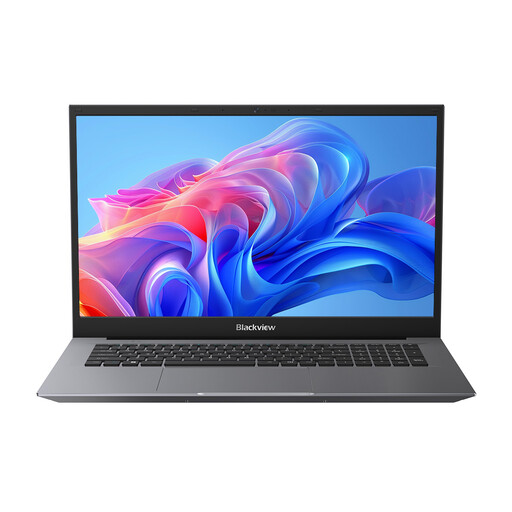 Image unavailable
Blackview AceBook 10
The 18.5-inch screen is an option to compare if you’re looking for more built-in screen space. Check that your project tools will work with the listed processor and configuration.
Intel Pentium Silver N6000; 16 GB DDR4 RAM; 512 GB SSD; Windows 11 Pro; 18.5-inch Full HD IPS LCD screen.
View at Joybuy
Frequently asked questions
Do I always need Docker for a local preview?
No, a simple local test server may be enough. MDN explains how to set one up; use Docker if your project or workflow requires it. Microsoft Visual Studio Code also distinguishes between editing in a browser and tasks that require a runtime or terminal.
What should I check before installing Docker Desktop?
Check the installation requirements for the operating system and the configuration you have chosen. Docker offers free use for personal, educational and non-commercial open-source use, as well as for companies with fewer than 250 employees and less than US$ 10 million in revenue. Paid subscription terms apply to other professional uses and government entities.
Does a laptop charger always have to be included in the Netherlands?
Not necessarily: the European Commission explains that equipment can be sold without a new charger. According to the Commission, common charging requirements have also applied to laptops within scope since 28 April 2026. So check what charging equipment is included in the specific box and what the laptop needs.
Do I have the same consumer protection when buying on behalf of a museum as I do with a personal purchase?
Don’t assume so. ACM ConsuWijzer distinguishes between purchases for private use and agreements used mainly or solely for business. Check who the contracting party is and which terms apply to the purchase and service.
Can I publish collection images showing identifiable people or other people’s photographs without permission?
No, don’t assume you’re free to use them. The Dutch government states that you may need permission from the creator to use copyright-protected photographs, subject to any applicable rights or exceptions. The Dutch Data Protection Authority points out that identifiable people in images are personal data, so also assess the lawful basis for processing and publication.


